Tunisia Eyes Trans-Saharan Trade Corridor Linking North Africa to the Sahel
 Uchechi Okporie
Apr 06, 2026
3 min read
Uchechi Okporie
Apr 06, 2026
3 min read

Tunisia is advancing an ambitious plan to establish a strategic overland trade corridor that would significantly reshape commercial connectivity between North Africa and the Sahel.
At the center of this initiative is the Ras Jedir border crossing, a critical gateway linking Tunisia with Libya. From there, the envisioned corridor would extend deep into the Sahel, connecting key markets in Niger, Mali, Burkina Faso, Chad, and the Central African Republic.
This project reflects a strategic shift by Tunisia to position itself as a logistics and trade hub bridging Mediterranean economies with landlocked African nations.
By leveraging its relatively advanced port infrastructure and proximity to European markets, Tunisia aims to serve as a northern gateway for Sahelian exports while simultaneously expanding its own access to fast-growing inland markets.
A central objective of the corridor is to reduce the high cost of transporting goods across the region. Currently, trade between North Africa and the Sahel is constrained by fragmented transport networks, lengthy border procedures, and security challenges in transit zones.
By developing a coordinated route, supported by harmonized customs systems, improved road infrastructure, and bilateral agreements, Tunisia and its partners aim to streamline freight movement, shorten delivery times, and enhance supply chain reliability.
The initiative is being developed in close coordination with Libya, whose geographic position makes it an indispensable transit country.
Stability and infrastructure development within Libya will therefore be critical to the corridor’s long-term viability. Joint planning efforts are expected to include road rehabilitation, border facility upgrades, and the establishment of logistics hubs along key segments of the route.
Beyond logistics, the corridor has strong economic integration ambitions. It is designed to facilitate the movement not only of goods but also of services, investment, and business partnerships.
Related Posts
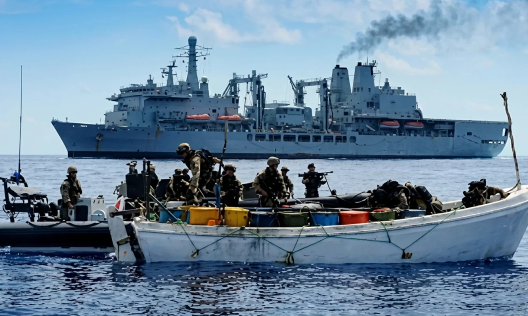
Nigeria unleashes 492 deep blue commandos in full-scale maritime crackdown to dismantle piracy empires across bakassi and gulf of guinea waters
Nigeria has dramatically escalated its maritime security posture with the graduation and d...

BREAKING: Nigeria’s oil-rich Warri on the edge as furious Itsekiri leaders blast INEC’s explosive new electoral plan
A dangerous new political confrontation is erupting in Nigeria’s oil-rich Niger Delta afte...
Edo political volcano erupts as Speaker Agbebaku seizes APC ticket in brutal power takeover, Deputy Speaker Atu crushed in high-stakes 2027 clash
A political explosion has rocked Edo State after Speaker Blessing Agbebaku stormed to vict...
Shettima alleges plot to falsely link him to assassination bid against Tinubu after inauguration
Vice President Kashim Shettima has lifted the lid on what he described as a politically ch...
For Sahel countries such as Niger and Mali, many of which are landlocked and heavily dependent on distant seaports, the corridor could provide a shorter and potentially more cost-effective route to international markets via Tunisian ports.
Early trade exchanges between Tunisia and Niger have already demonstrated the potential of stronger bilateral ties, particularly in sectors such as agriculture, construction materials, and manufactured goods.
However, both countries acknowledge that current trade volumes remain below potential due to structural inefficiencies, limited transport capacity, and regulatory gaps.
To address these challenges, policymakers are increasingly focused on formalizing and scaling their commercial relationship. This includes negotiating trade facilitation agreements, encouraging private-sector participation, and investing in digital systems to improve customs processing and cargo tracking.
Financial institutions and regional development partners may also play a role in funding infrastructure upgrades and de-risking cross-border investments.
If successfully implemented, the corridor could become a cornerstone of intra-African trade, aligning with broader continental initiatives such as the African Continental Free Trade Area.
By enhancing connectivity between North and Sub-Saharan Africa, the project has the potential to unlock new economic opportunities, strengthen regional value chains, and contribute to long-term economic resilience across participating countries.
However, the project’s success will depend on sustained political coordination, security improvements along transit routes, and the ability to attract long-term investment.
While challenges remain, Tunisia’s initiative signals a growing recognition of the strategic importance of trans-Saharan tradeand a renewed effort to turn geographic proximity into tangible economic advantage.
Related Posts
Uchechi Okporie
May 19, 2026
Nigeria in Uproar as APC Backs Yahaya Bello Amid EFCC Case, Natasha Allies Raise Alarm
A fresh political firestorm has erupted in Nigeria after supporters of Natasha Akpoti-Uduaghan accused the ruling All Progressives Congress of protecting powerful elites by clearing former Kogi governor Yahaya Bello despite ongoing corruption allegations linked to the Economic and Financial Crimes Commission.

Uchechi Okporie
May 19, 2026
Nigerian athlete’s American dream ends in bloodshed days before MBA graduation
Grief and outrage have erupted across Nigeria and the African diaspora after a Nigerian athlete was brutally shot dead in the United States just days before achieving one of the biggest milestones of his life graduating with an MBA degree.
Trending
May 19, 2026
BREAKING: APC bloodbath rocks Nigeria as governors seize Senate tickets and political titans suffer humiliating collapse ahead of 2027 war
Uchechi Okporie
May 19, 2026
Tension Rises as APC Headquarters Disowns Purported Senatorial Primary Results, Says Unauthorized Announcement Violates NWC Directive
Uchechi Okporie
May 20, 2026
BREAKING: Jonathan Secures Historic PDP Waiver as Turaki Power Bloc Unifies Behind Him, Clearing Path to Near-Uncontested 2027 Presidential Run
Uchechi Okporie

May 16, 2026
BREAKING: Political Shockwaves Across Nigeria as 30-Year-Old Kaduna Aspirant Withdraws From Parliament Race Amid Explosive Age Eligibility Crisis
Uchechi Okporie
May 19, 2026
Delta APC Primary Crisis Deepens as Ned Nwoko's Camp Demands Okowa’s Disqualification Over Violation of NWC Directives
Uchechi Okporie

May 17, 2026
Deadly Chaos Erupts Inside Nigeria’s Ruling Party as APC Primary Election Violence Claims Life in Plateau, Raising Fresh Fears Ahead of 2027 Power Battle
Uchechi Okporie
May 19, 2026
BREAKING: Fierce Delta North APC battle deepens as Ned Nwoko declares commanding primary victory, dismisses fake results and renews Anioma State mission
Uchechi Okporie
May 17, 2026
BREAKING: Diaspora Group Erupts Over “Disrespect” to Goodluck Jonathan, Fires Warning at VeryDarkMan Amid 2027 Political Tension
Uchechi Okporie
May 18, 2026
Breaking News: Nigeria’s ruling APC throws 47 senatorial aspirants out of 2027 race in dramatic political crackdown
Uchechi Okporie
May 16, 2026
Nigeria’s South-South Political Rift Deepens as Fierce Battle Over “Consensus” Threatens Regional Unity Ahead of 2027 Elections
Uchechi Okporie
May 17, 2026
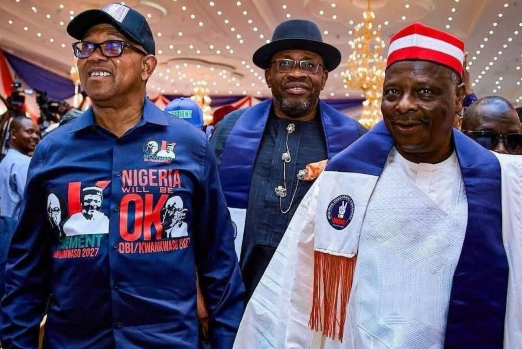
Breaking: Political Earthquake Brewing in Nigeria as Obidient and Kwankwasiyya Forces Raise Massive ₦60 Million Campaign War Chest Ahead of Explosive 2027 Power Battle
Uchechi Okporie
Latest Stories

May 21, 2026
Delta North APC Primaries Heavily Rigged, Results Fabricated, Votes Far Exceeded Number of Registered Members - Group Reveals
 Admin User
May 21, 2026
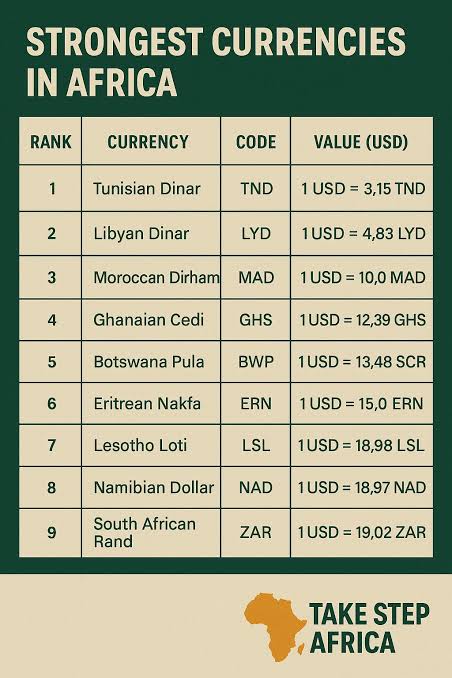
Explainer: Why African Currencies Keep Losing Value Against The Dollar
Admin User
May 21, 2026
Nigeria unleashes 492 deep blue commandos in full-scale maritime crackdown to dismantle piracy empires across bakassi and gulf of guinea waters
Uchechi Okporie
May 21, 2026
Aburi accord bombshell: Gowon reignites explosive claim that Ojukwu derailed final peace deal as Nigeria slipped into civil war amid collapsed negotiations
Uchechi Okporie
May 21, 2026
Umahi storms political stage, declares overwhelming Tinubu victory as Ebonyi eyes 95% vote landslide in 2027
Uchechi Okporie

May 21, 2026
BREAKING : Lagos Assembly Spokesperson Ogundipe Wins APC Ticket for Second Term, Vows Inclusive Representation
Chineye Egesi

May 21, 2026
Unanimous Endorsement: Governor Radda Clinches APC Consensus Ticket for Katsina 2027
Chineye Egesi

May 21, 2026
BREAKING: Germany trigger worldwide football explosion as legendary Neuer returns for make-or-break World Cup war
Uchechi Okporie
May 21, 2026
Kwara APC Governorship Primary Suddenly Postponed a Day After Scheduled Date
Chineye Egesi
May 21, 2026
Benue at a Crossroads: APC Aspirant Kuraun Blames Decades of Failed Leadership for State’s Crisis
Chineye Egesi
May 21, 2026
Kefas hails flawless APC primaries in Taraba, calls peaceful process a turning point for political stability
Uchechi Okporie