Africa’s digital gold rush: How women are turning smartphones into wealth and power
 Chineye Egesi
May 04, 2026
3 min read
Chineye Egesi
May 04, 2026
3 min read
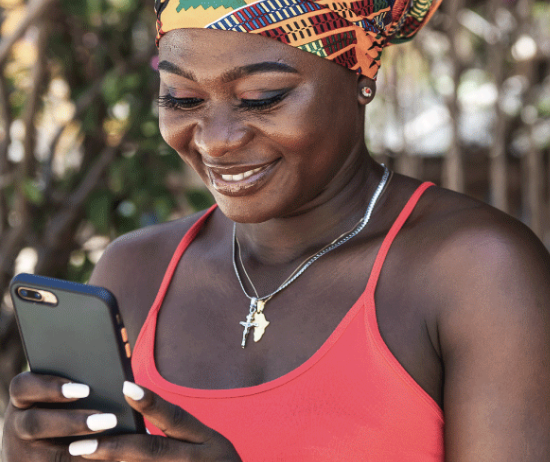
A quiet economic revolution is sweeping across Africa and parts of Asia driven not by government programs, but by women armed with smartphones and internet access.
Across cities and rural communities, millions are breaking free from traditional financial barriers.
No longer waiting for bank approvals or policy shifts, they are building businesses, earning income, and gaining financial independence through mobile money, e-commerce, and social platforms.
The shift is measurable. The African Center for Economic Transformation (ACET) reports that financial inclusion for African women rose by roughly 17% between 2011 and 2022.
Meanwhile, the World Bank’s Global Findex shows the gender gap in account ownership narrowing—thanks largely to digital finance even as disparities persist between countries.
West Africa stands out. In Ghana, 63% of women now hold formal financial accounts, while mobile phone access is nearly equal between men and women.
In Nigeria, mobile banking usage has surged by 40% in just five years, although some women still rely on informal savings networks due to trust concerns.
Across Asia, similar trends are unfolding. Women’s World Banking notes that while 69% of adults in East Asia and the Pacific have financial accounts, underserved regions are rapidly catching up through mobile payments and digital wallets.
“The digital communication revolution has opened up a world of possibilities,” said Mary Ellen Iskenderian, CEO of Women’s World Banking.
“But without tackling social and cultural barriers, technology alone will not be enough.”
Historically, access to finance has been a major obstacle for women.
Across Africa, only a small share of startup funding reaches women-led businesses, leaving a massive financing gap.
Related Posts
One Big Challenge African Governments Have Continued to Overlook for Years
Water is one of those things many of us rarely think about until it is no longer available...
EBSU Student Pushes for Electoral Overhaul, Greater Accountability As Nigerians Approach 2027 Elections
Daberechi Okoh, a student of Ebonyi State University, has called for far-reaching reforms...
Why Investors Are Turning Away from Africa’s Biggest Economies
One of the major reasons behind the weak economy in Nigeria and many other African countri...
First Batch of Nigerians From South Africa to Arrive Ikeja Airport Thursday Morning - Foreign Affairs Minister Says
The first batch of repatriation of Nigerians from South Africa will touch the Nigerian Int...
Closing that gap could unlock more than $300 billion annually for the continent’s economy.
In Asia, women-owned small businesses receive about half the financing available to their male counterparts.
Yet digital tools are accelerating change faster than traditional systems.
“To bring the unbanked into the formal economy, we must connect payment systems and promote interoperability,” said Tim Masela, Vice Chair of the African Association of Central Banks.
“This is especially critical for women and small enterprises.” Today, platforms like Jumia, Instagram, and TikTok are enabling women to sell products, market services, and receive payments without relying on conventional gatekeepers.
For many, this shift is life-changing. In Nairobi, a local hair braider revived her struggling business after joining a service app that connects clients directly to stylists.
In Ghana, a public sector worker turned a side hustle into a thriving digital business, gaining financial independence and flexibility.
These stories reflect a broader transformation. Digital inclusion is no longer just about access it is about control, opportunity, and long-term economic power.
Still, challenges remain. Affordable internet, digital literacy, secure financial systems, and fair access to credit are essential to sustaining this momentum.
As partnerships between governments, fintech companies, and development organisations expand, the foundation for inclusive growth is strengthening.
One thing is clear: African women are no longer waiting for economic change they are driving it. And in the process, they are redefining what wealth creation looks like in the digital age.
Related Posts
Chineye Egesi
Jun 09, 2026
Europe Needs Africa More Than Africa Needs Europe, Peter Obi Sparks Outrage with Explosive London Speech
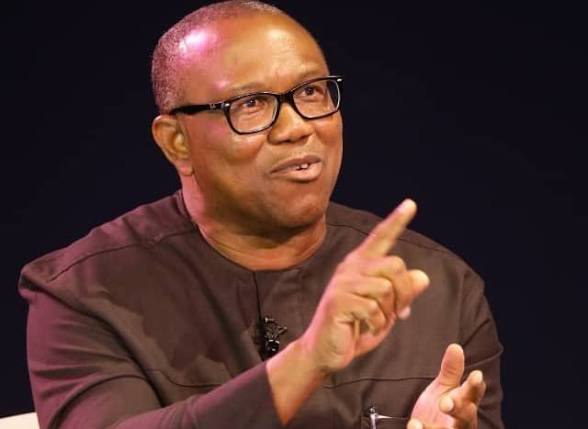
Presidential candidate of the Nigeria Democratic Congress (NDC), Mr. Peter Obi, has said that the success of the African continent is the success of Europe and the failure of the continent is the failure of Europe. He said the consequences of any of this will affect Europe more than even Africa itself.
Uchechi Okporie
Jun 05, 2026
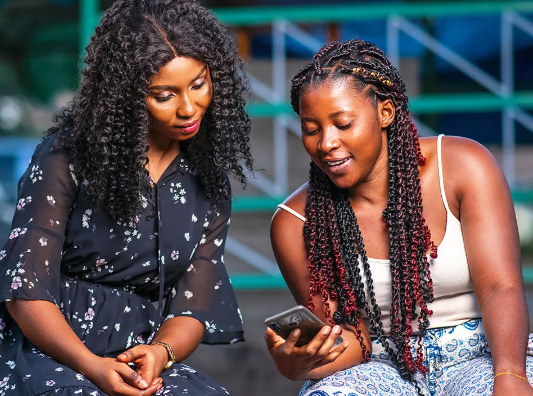
SPECIAL REPORT: How Social Media Is Transforming Business Landscape, Connecting Customers with Buyers Across Africa
When I look at the way business is carried out in Africa, I clearly see that social media has completely changed the game. In fact, I can say that social media is one of the greatest business tools that Africa has seen in recent times. Whether we like it or not, social media has changed the way people buy, sell, advertise, communicate with customers, and even grow their businesses. Years ago, if somebody wanted to start a business, the person would need a physical shop in a busy area before people could notice the business.
Uchechi Okporie
Jun 03, 2026
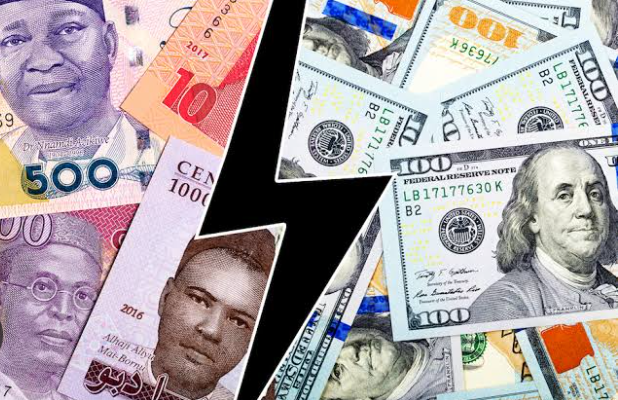
Why Many African Currencies Remain Weak Against the United States Dollar
Africa is one of the most naturally blessed regions in the world. From crude oil and natural gas to gold, diamonds, cobalt, and fertile agricultural land, the continent possesses resources that many nations can only dream of having. Yet, despite this abundance, many African currencies continue to struggle against the United States dollar and other major global currencies.

Admin User
May 23, 2026
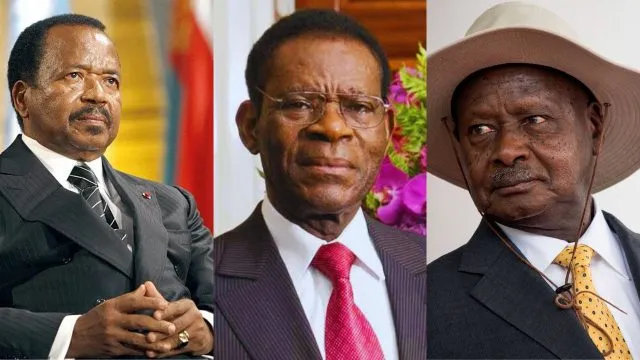
Eight Longest Serving African Leaders Who Have Refused to Handover Power, One Has Ruled for 47 Years (Read Shocking Details
Africa is the youngest continent on earth, overflowing with energy, innovation, creativity, and ambition. Across the continent, millions of young Africans are reshaping industries through technology, entrepreneurship, education, sports, and entertainment. Yet, despite this youthful population, political leadership in many African countries remains dominated by elderly rulers who have held power for decades.
Uchechi Okporie
May 14, 2026
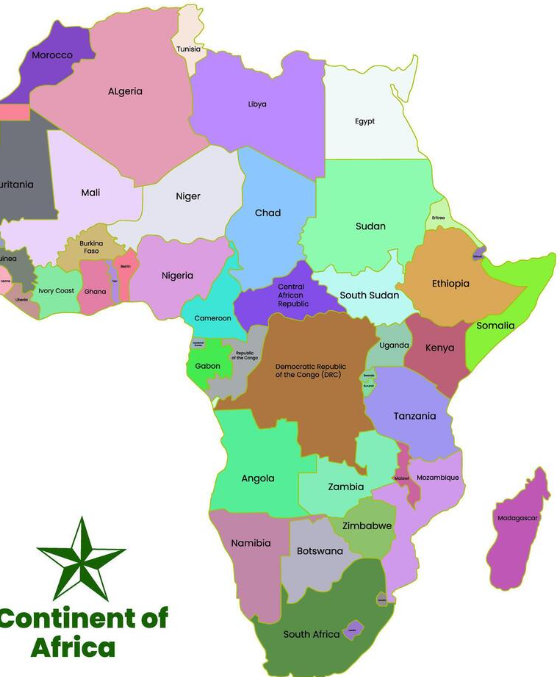
OPINION: Why Colonialism Remains Africa’s Unfinished Battle
The history of Africa cannot be discussed honestly without confronting the enduring burden of colonialism. For centuries, European powers entered the continent not as partners in development, but as conquerors, exploiters, and architects of political domination.
Uchechi Okporie
May 13, 2026
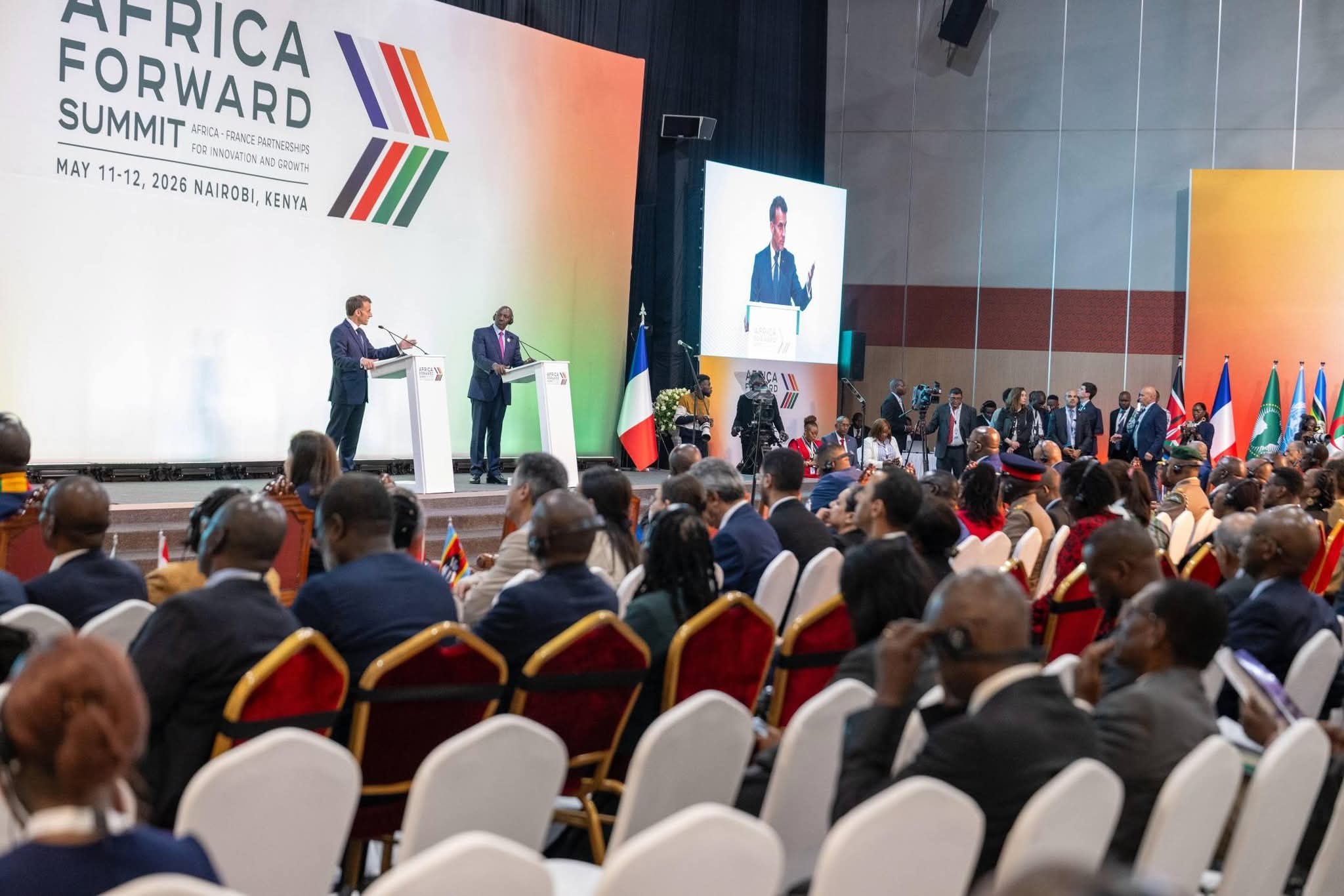
Kenya President Pushes for New Economic Order as African Leaders Gather in Nairobi
At the ongoing Africa Forward Summit in Nairobi, Kenyan President William Ruto has called for a new era of partnership between Africa and France anchored on mutual respect, shared responsibility and economic transformation.
Admin User
May 08, 2026
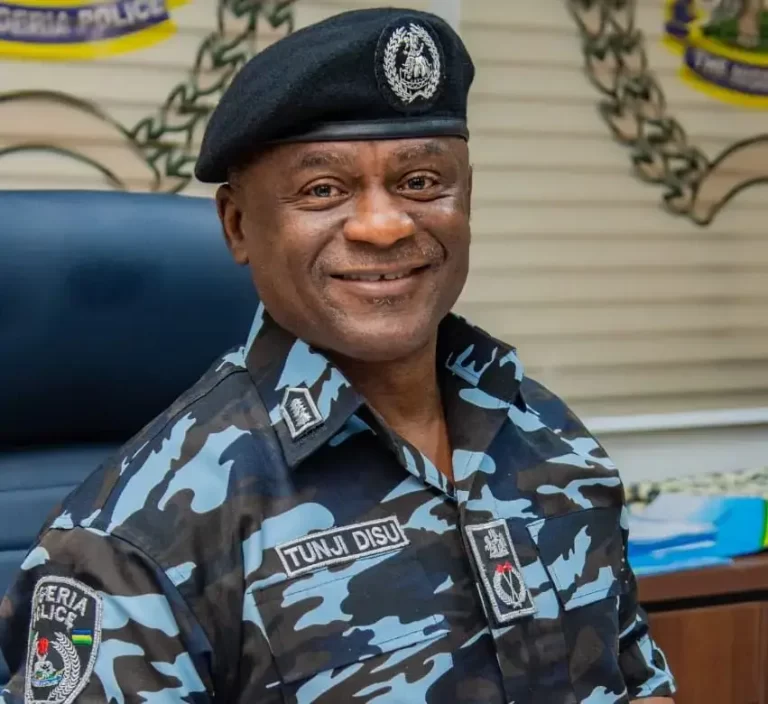
Police arrest another key suspect in abduction of Bayelsà Judge five months after
Operatives of the newly established Inspector General Police(IGP) Violent Crime Response Unit of the Bayelsà State Police command have arrested a Key suspect in the last year abduction of a State High Court Judge, Justice E.G Omukoro at a popular eatery in Yenagoa the State capital.
Chineye Egesi
May 04, 2026
Nigeria’s Non-Oil Export Boom: Nearly $1 Billion in Q1 2026 Signals a New Dawn for African Trade
Africa’s giant is stirring and this time, it’s not crude oil leading the charge. Fresh data from the Nigeria Customs Service shows the country’s export sector surged by nearly 39% in the first quarter of 2026, hitting a staggering $925.84 million, as non-oil trade finally takes center stage.
Trending
Jun 12, 2026
OPINION: Why I Find It Difficult to Celebrate Democracy Day in Nigeria
Admin User
Jun 12, 2026
Why Investors Are Turning Away from Africa’s Biggest Economies
Uchechi Okporie
Jun 17, 2026
One Big Challenge African Governments Have Continued to Overlook for Years
Uchechi Okporie
Jun 15, 2026
Aniocha/Oshimili Reps: Emergence of Isioma Ndah as NDC Candidate Unsettles Elumelu's Campaign Council
Uchechi Okporie
Jun 15, 2026
Democracy and the Unanswered Questions of Nigeria's Future
Uchechi Okporie
Jun 17, 2026
You Won't Understand, The Real Reason Nigeria Is Struggling May Surprise You
Uchechi Okporie
Jun 12, 2026
EBSU Student Pushes for Electoral Overhaul, Greater Accountability As Nigerians Approach 2027 Elections
Uchechi Okporie
Latest Stories
Jun 17, 2026
One Big Challenge African Governments Have Continued to Overlook for Years
Uchechi Okporie
Jun 17, 2026
You Won't Understand, The Real Reason Nigeria Is Struggling May Surprise You
Uchechi Okporie
Jun 15, 2026
Aniocha/Oshimili Reps: Emergence of Isioma Ndah as NDC Candidate Unsettles Elumelu's Campaign Council
Uchechi Okporie
Jun 15, 2026
Democracy and the Unanswered Questions of Nigeria's Future
Uchechi Okporie
Jun 12, 2026
OPINION: Why I Find It Difficult to Celebrate Democracy Day in Nigeria
Admin User
Jun 12, 2026
EBSU Student Pushes for Electoral Overhaul, Greater Accountability As Nigerians Approach 2027 Elections
Uchechi Okporie
Jun 12, 2026
Why Investors Are Turning Away from Africa’s Biggest Economies
Uchechi Okporie
Jun 11, 2026
First Batch of Nigerians From South Africa to Arrive Ikeja Airport Thursday Morning - Foreign Affairs Minister Says
Admin User
Jun 10, 2026
Another Evidence That Nigerian Government Does Not Care About Ordinary People
Uchechi Okporie
Jun 10, 2026
Where Is Nigeria Heading? Ebonyi Resident Cries Out Over Rising Hardship
Uchechi Okporie
Jun 10, 2026
Spineless Legislature: Bakare Launches Fresh Attack on Federal Lawmakers, Says NASS Extension of Tinubu's Cabinet
Chineye Egesi