Working All Day, Eating Once: The Cruel, Disturbing Arithmetic of Delta’s Cost-of-Living Crisis
 Uchechi Okporie
Mar 18, 2026
3 min read
Uchechi Okporie
Mar 18, 2026
3 min read
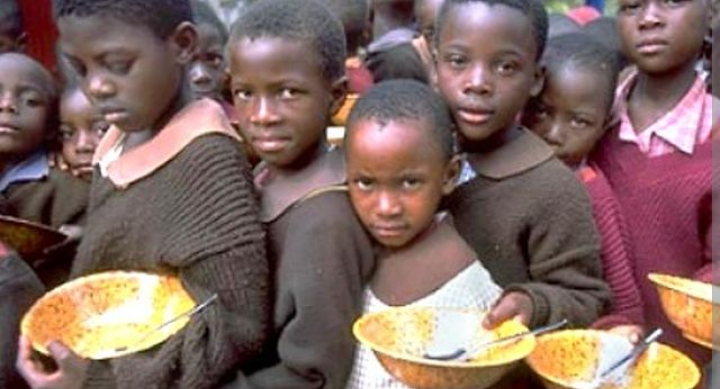
A silent emergency is unfolding in Okpanam and Asaba, and it is no longer creeping, it is crashing through homes, markets, and businesses with devastating force.
According to investigation by NdokwaReporters, a local online newspaper in Delta state, Southern Nigeria, petrol prices have detonated. Food prices have followed. And ordinary families are being crushed in between.
Across filling stations in Okpanam, the numbers tell a brutal story. At Ezeani Oil and Gas in Amachai, petrol now sells for ₦1,265 per litre—up from ₦750–₦800 just weeks ago.
The Nigerian National Petroleum Corporation (NNPC) outlet in Obodogba dispenses at ₦1,250. Rainoil Limited and Alphabakeez Petroleum sell at ₦1,300 and ₦1,270 respectively. In some cases, desperate buyers report prices soaring to ₦1,400 per litre amid supply shortages.
Several stations are either shut or rationing fuel. Long, restless queues of cars and motorcycles snake through the streets. The anxiety is palpable. The frustration is boiling.
But this is no longer just about petrol. It is about food vanishing from tables. It is about wages that no longer mean anything. It is about families choosing between transport fare and dinner.
Fuel Hike Sparks Market Chaos
The connection is immediate and unforgiving: as fuel rises, food follows. At Midwifery Market in Okpanam, a 50kg bag of rice now costs between ₦65,000 and ₦75,000—up from ₦45,000. Beans have crossed ₦60,000 per bag. Garri sells for ₦40,000. A single yam tuber now ranges from ₦1,500 to ₦2,500. Palm oil has climbed to ₦2,200 per litre.
At Ogbeogonogo Market in Asaba, the shock is even more severe. A basket of tomatoes that once sold for ₦10,000 now goes for ₦25,000–₦30,000. Pepper exceeds ₦20,000 per basket. Onions have crossed ₦50,000 per bag.
Traders blame transportation costs. Goods transported from the North now cost significantly more due to soaring petrol prices.
But consumers are the ones bleeding. Families are buying in cups instead of bags. Portions are shrinking. Meals are being skipped. Some parents quietly admit they now eat less so their children can eat at all.
Mrs. Rita Ojo, a mother of three, says feeding her family has become “very difficult.” Prices, she says, rise almost weekly. This is no longer inflation. It is erosion of dignity, stability, and hope.
Businesses on the Brink
Related Posts
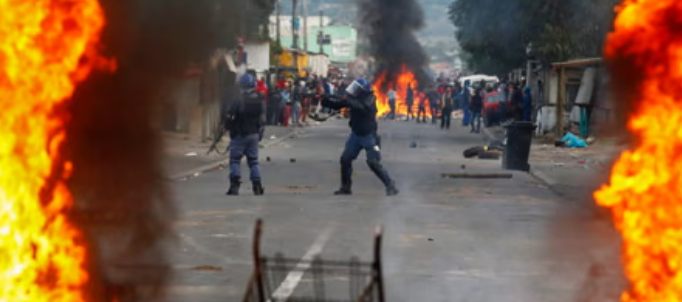
Nigeria summons South African envoy over fresh tensions as alleged attacks on citizens spark continental concern
Nigeria has formally summoned South Africa’s envoy following reports of renewed attacks on...
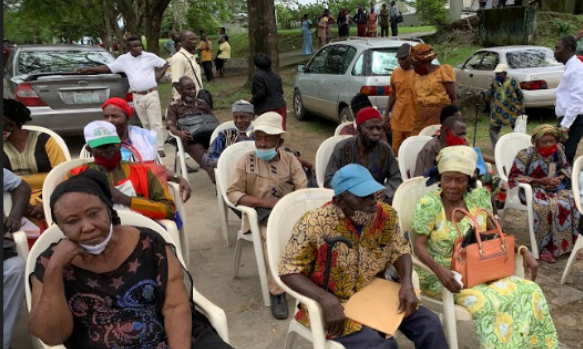
May Day shock: Workers reject growth narrative, say Africa’s largest economy is leaving millions behind
Labour unions have delivered a stinging rebuke to government claims of economic progress,...

Nigeria’s midfield boost on hold as Ozoh’s clearance delay sparks fresh tension
Nigeria’s plans to strengthen its squad have hit a temporary pause, with promising midfiel...
BREAKING: Abuja peace talks move to end Plateau violence as Nigeria seeks lasting calm
Fresh peace talks in Nigeria’s capital, Abuja, are underway as authorities intensify effor...
Transport fares have nearly doubled on key routes. Workers and students now spend a painful chunk of their income just getting to work or school. Small business owners are suffocating.
With erratic electricity supply, many rely on petrol-powered generators. Now, operating costs have nearly doubled. Profit margins are evaporating.
“I spend much more on fuel now than I did last month,” one shop owner said. “It is becoming difficult to keep my business running and still make profit.”
Declining customer purchasing power has compounded the pain. Traders report that bulk buying has collapsed. Food traffic is thinning. Sales are shrinking.
This is a vicious cycle: rising fuel prices inflate transportation costs, which inflate food prices, which weaken consumer spending, which suffocates small businesses, driving even more hardship.
The Reform Debate, At What Cost?
Industry analysts point to global crude oil volatility, a weakened naira, and Nigeria’s heavy reliance on imported refined petroleum products as the structural drivers of the crisis.
Government officials maintain that ongoing petroleum sector reforms are necessary for long-term stability. But residents are asking a raw, urgent question: How long must survival wait for reform?
Without significant improvements in domestic refining capacity and exchange rate stability, fuel prices may remain volatile, and so will the cost of living.
Meanwhile, in Okpanam, Asaba, and Isele Azagba, the crisis is not theoretical. It is immediate. It is personal. It is daily.
People are not debating policy, they are calculating how to survive tomorrow. If relief does not come soon, residents fear this economic pressure could harden into something deeper: widespread business closures, food insecurity, and irreversible financial damage to already fragile households.
For many families in Delta State, the message is painfully clear: The numbers at the pump are no longer statistics. They are the difference between eating and not eating.
Related Posts
Uchechi Okporie
May 01, 2026
Nigeria Sets High-Stakes June 20 Vote Across Six States as Electoral Clock Ticks Toward 2027
Nigeria’s electoral momentum is gathering pace as the Independent National Electoral Commission (INEC) has announced June 20, 2026, as the date for crucial bye-elections across six states, signaling an early political buildup toward the country’s next general elections.
Uchechi Okporie
Apr 30, 2026
Power Struggle in Northern Nigeria: Ilorin Emirate Faces Backlash Over Senatorial Endorsement
A growing political storm is unfolding in Nigeria’s Kwara State as a civic group openly challenges the Ilorin Emirate’s endorsement of Senator Saliu Mustapha, raising fresh concerns about the intersection of traditional authority and democratic choice.
Uchechi Okporie
Apr 30, 2026
BREAKING: Nigeria’s Power Crisis Boils As Tinubu Picks New Minister in Urgent Reset
Nigeria’s fragile electricity sector has entered a new phase of uncertainty and expectation after President Bola Ahmed Tinubu moved quickly to replace outgoing power chief Adebayo Adelabu, nominating Tegbe to take charge of the country’s troubled energy system.

Uchechi Okporie
Apr 30, 2026
BREAKING: Africa Watches As President Tinubu Hands Nigeria’s Global Diplomacy To Bianca Odumegwu-Ojukwu
Nigeria has triggered a major diplomatic shift after President Bola Ahmed Tinubu appointed Bianca Odumegwu-Ojukwu as the country’s new Minister of Foreign Affairs, a move already drawing attention across Africa and beyond.
Uchechi Okporie
Apr 30, 2026
Nigerian University Records Explosive Growth as Student Population Hits 15,000 in Three Years
The University of Ilesa (UNILESA) has recorded a rapid transformation in Nigeria’s higher education landscape, as its student population rises to 15,000 within just three years of establishment, marking one of the fastest institutional expansions in recent academic history.
Uchechi Okporie
Apr 30, 2026
Broken Systems, Broken Results: Dafinone Diagnoses Nigeria’s Development Crisis
Senator Ede Dafinone has urged Nigerian youths to embrace discipline, innovation, and institution-building to drive sustainable development, warning that the nation risks squandering its vast potential without translating capacity into productivity.
Uchechi Okporie
Apr 29, 2026
Nigeria records 15.6% year-on-year drop in petrol prices as energy relief emerges – NBS
Next Africa Daily reports that Nigeria has recorded a 15.6% year-on-year decline in petrol prices, according to new data released by the National Bureau of Statistics (NBS), marking a significant shift in the country’s energy cost trend.

Uchechi Okporie
Apr 29, 2026
Tragedy in Ondo: 20-year-old polytechnic student reported dead in suspected suicide case
Ondo State is in mourning following the death of a 20-year-old polytechnic student, who was found dead in what authorities are treating as a suspected suicide case.
Trending
Apr 28, 2026
Africa Outraged as Two Nigerians Killed in South Africa, Abuja Demands Urgent Justice
Uchechi Okporie

Apr 27, 2026
Senator Natasha Declares for 2027 Kogi Central Senatorial Race, Says Her Endorsement Overwhelming
 Admin User
Apr 27, 2026
What We Discussed in Our Meeting With Jonathan - Obi Reveals in Explosive Statement
Uchechi Okporie

Apr 28, 2026
A Tall Ambition: Delta Councilor Purchases Expression of Interest Forms to Represent Ndokwa/Ukwuani in House of Reps
Admin User
Apr 29, 2026
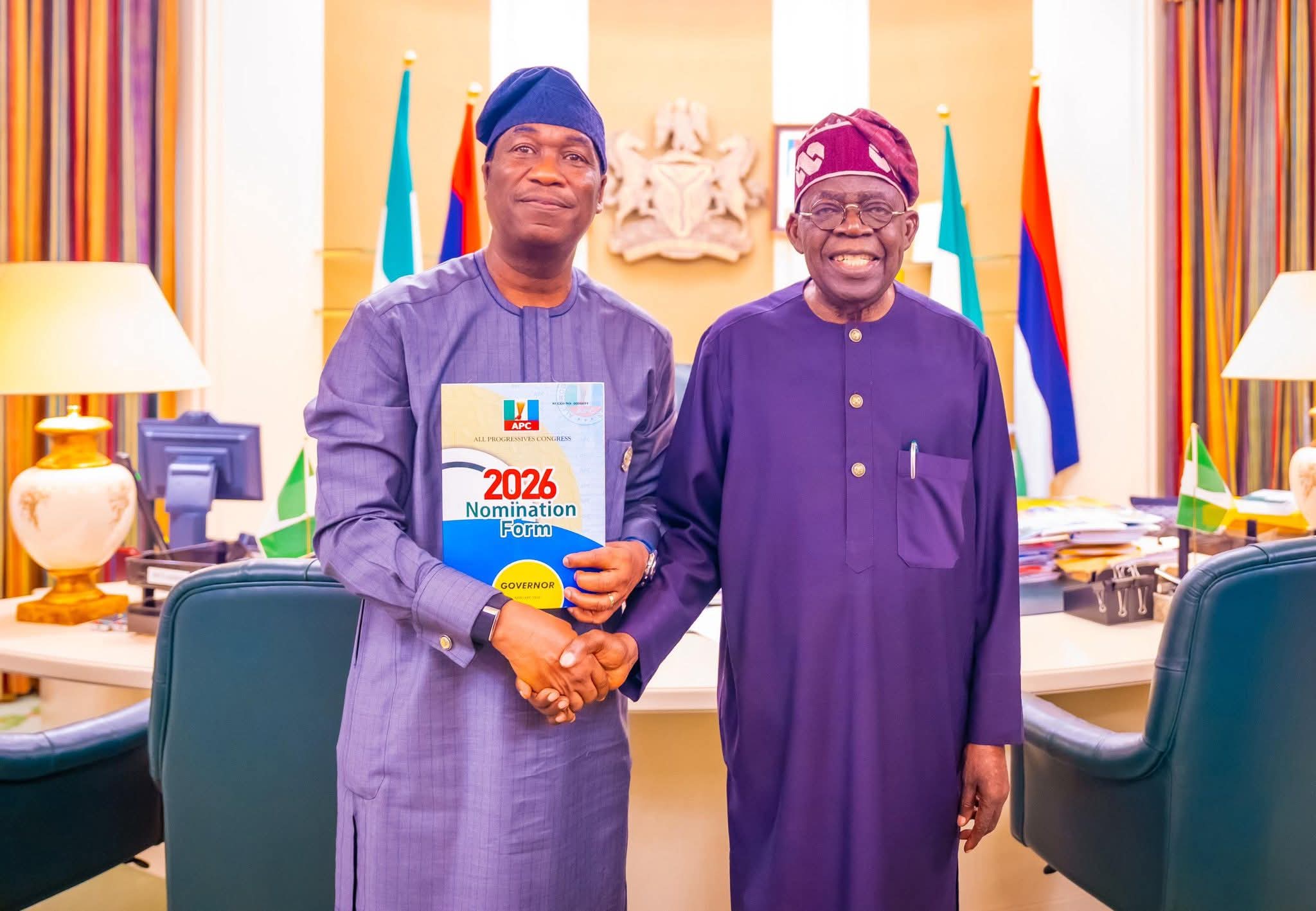
BREAKING: Tinubu Endorses First Governorship Candidate for 2027 General Election
Uchechi Okporie
Apr 26, 2026
AFRICA DIVIDED: Osinbajo and Gospel Singer Lock Horns in Viral Faith War
Uchechi Okporie
Apr 25, 2026
Africa Political Shockwave: Atiku, Obi, Amaechi Gather in Ibadan as Nigeria’s Opposition Forces Signal Major 2027 Battle
Uchechi Okporie

Apr 27, 2026
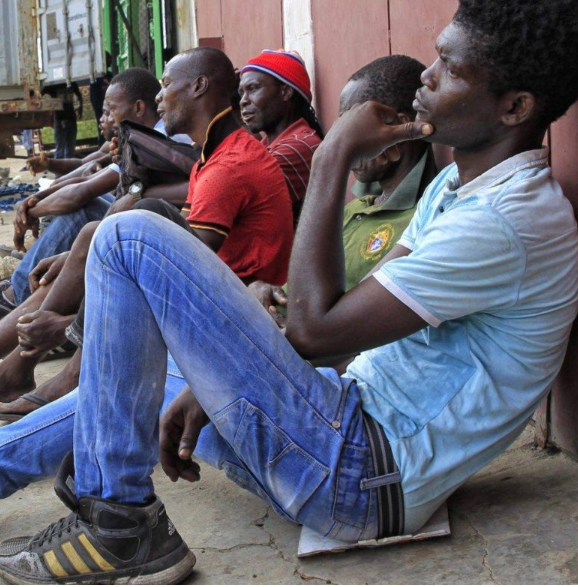
From Brothers to Burdens: Why Nigerians Are No Longer Welcome in South Africa, Ghana - The Sad Story
Uchechi Okporie
Apr 26, 2026
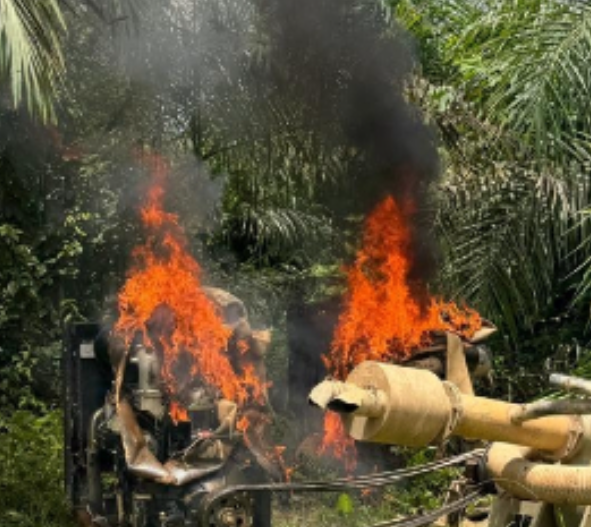
BREAKING: Ghana Forces Storm Illegal Mining Stronghold, Destroy Excavators in Major Anti-Galamsey Crackdown
Uchechi Okporie

Apr 26, 2026
Gunfire Panic Rocks White House Dinner as Trump Evacuated in Major Security Scare
Uchechi Okporie
Apr 26, 2026
Nigeria Youths Still Sleepy While Democracy Fights Itself: Who Will Save the Country
Uchechi Okporie
Latest Stories
May 02, 2026
Defend votes with fire: Nigeria opposition figure sparks outrage ahead of 2027 elections
Uchechi Okporie
May 02, 2026
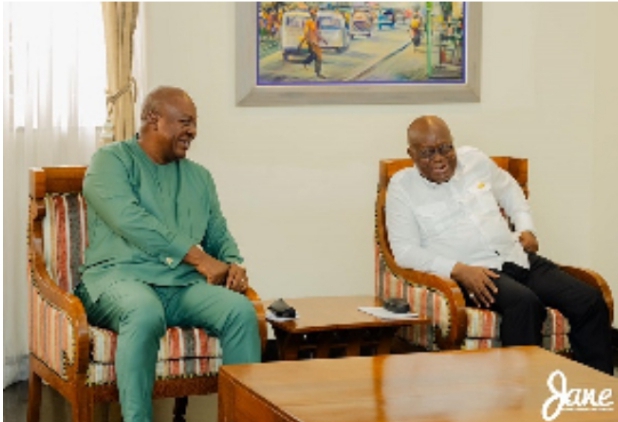
Mahama ignites Ghana cash row, questions Akufo-Addo era spending
Uchechi Okporie
May 02, 2026
Nigeria summons South African envoy over fresh tensions as alleged attacks on citizens spark continental concern
Uchechi Okporie

May 02, 2026
Real Madrid rocked as Dani Carvajal injury blow threatens title push
Uchechi Okporie

May 02, 2026
World cup 2026: Cities, culture and fan zones set to steal the show beyond football
Uchechi Okporie
May 02, 2026
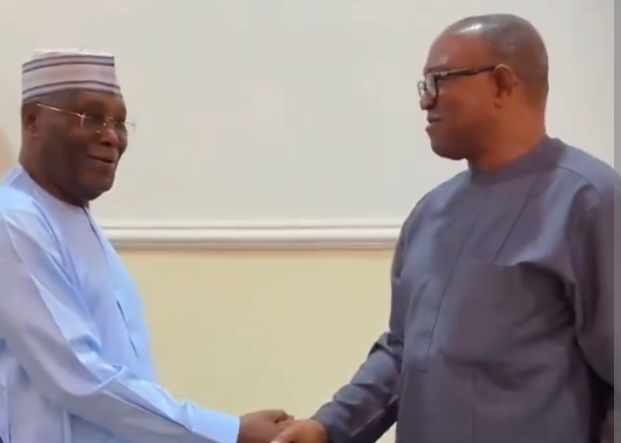
Breaking: Nigeria’s opposition in turmoil as 2027 presidential battle splits ADC wide open
Uchechi Okporie
May 02, 2026
Nigeria declares national emergency as Tinubu moves against surging insecurity and poverty crisis
Uchechi Okporie
May 02, 2026
Breaking: Obi’s 2027 ambition under fire as ex-ally declares “he’s going nowhere”
Uchechi Okporie
May 02, 2026
Ghana resets wages: Mahama launches bold public sector pay overhaul and labour reforms
Uchechi Okporie
May 01, 2026
Adebutu storms 2027 Ogun governorship race as PDP realignments begin in South-West Nigeria
Uchechi Okporie
May 01, 2026
Mahama rewards female hero after swift response to Akosombo fire crisis
Uchechi Okporie