2027!! Power, Pride, and Primaries: Delta Central’s Explosive APC War Begins
 Uchechi Okporie
Mar 17, 2026
3 min read
Uchechi Okporie
Mar 17, 2026
3 min read
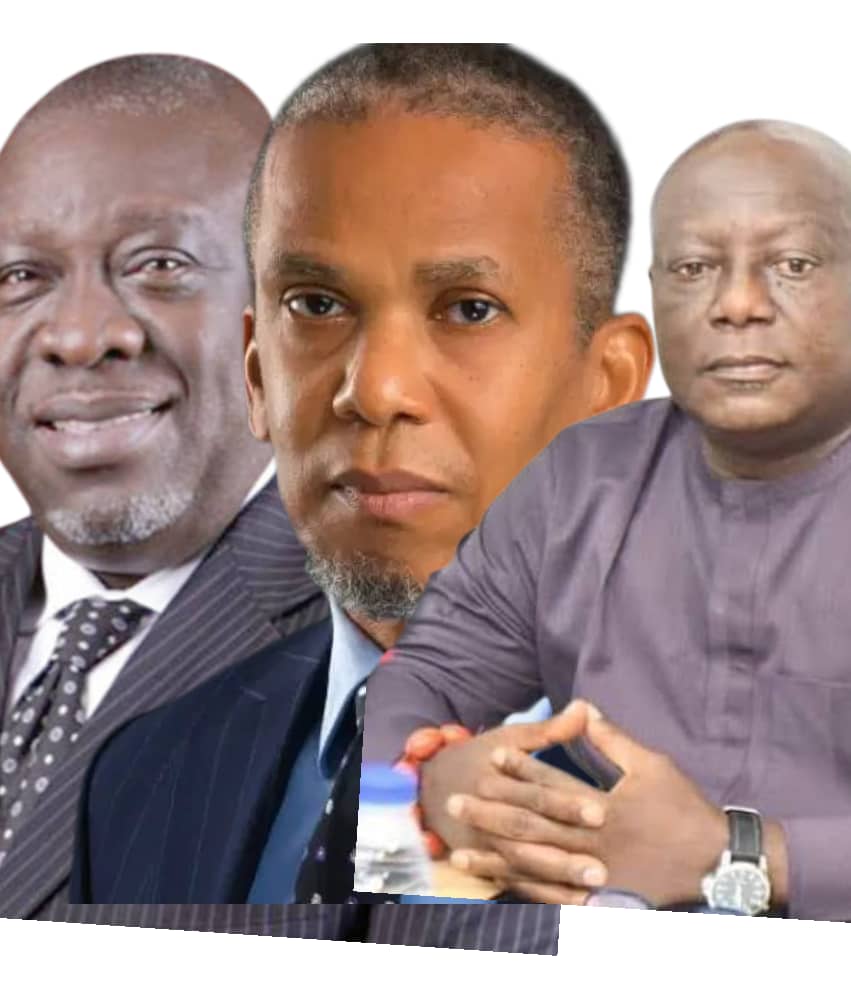
The political temperature in Delta Central is steadily rising as an intense internal contest brews within the All Progressives Congress (APC). What might have passed for routine pre-election positioning has evolved into a calculated struggle for control of the party’s senatorial ticket ahead of the next general election.
At the center of this unfolding political warfare is the sitting senator, Ede Dafinone, who is preparing for a second term, and two determined challengers, John Nani and Fred Majemite, are mobilizing to unseat him at the party primary level.
Dafinone assumed office in 2023, succeeding Ovie Omo-Agege, a dominant political force whose structure shaped Delta Central politics for years. As an incumbent, Dafinone commands the natural advantages of visibility, legislative influence, and institutional recognition within the party.
His technocratic background and professional pedigree appeal to elite blocs and business-minded constituents, while incumbency gives him leverage in party negotiations and voter alignment.
In Nigeria’s political architecture, these advantages are significant. Primaries are rarely won on sentiment alone; they are secured through structure, alliances, and strategic endorsements.
Yet incumbency is not immunity. Beneath the surface, murmurs of dissatisfaction have created an opening for challengers. Critics question whether Dafinone’s first term has translated into sufficient grassroots impact or whether his style of leadership is perceived as distant from the everyday concerns of constituents.
Whether those criticisms reflect widespread sentiment or are politically amplified narratives remains debatable, but they form the foundation upon which his challengers are building their case.
John Nani’s emergence in the race signals a calculated attempt to channel grassroots energy. A former state commissioner with executive experience in Delta’s administrative structure, Nani is positioning himself as closer to the people, particularly youth blocs and oil-producing host communities.
His strategy appears rooted in mobilization at the community level, projecting accessibility and framing the contest as one between entrenched structure and responsive representation.
The challenge for Nani, however, is converting grassroots enthusiasm into voter arithmetics. APC primaries are determined by accredited voters whose loyalties often reflect negotiated political alignments rather than crowd sentiment.
To overcome an incumbent, Nani must transform populist appeal into a disciplined political operation capable of penetrating the party’s internal hierarchy.
Fred Majemite’s entry into the contest adds a different dimension. A seasoned lawyer and former commissioner with longstanding political networks, Majemite represents institutional experience and cross-faction negotiation capacity. Unlike Nani’s posture, Majemite’s strength lies in relationships built over the years within Delta’s political corridors.
Related Posts
May Day shock: Workers reject growth narrative, say Africa’s largest economy is leaving millions behind
Labour unions have delivered a stinging rebuke to government claims of economic progress,...

Nigeria’s midfield boost on hold as Ozoh’s clearance delay sparks fresh tension
Nigeria’s plans to strengthen its squad have hit a temporary pause, with promising midfiel...
BREAKING: Abuja peace talks move to end Plateau violence as Nigeria seeks lasting calm
Fresh peace talks in Nigeria’s capital, Abuja, are underway as authorities intensify effor...
Nigeria Sets High-Stakes June 20 Vote Across Six States as Electoral Clock Ticks Toward 2027
Nigeria’s electoral momentum is gathering pace as the Independent National Electoral Commi...
He is positioning himself as a unifying alternative, experienced enough to govern effectively and connected enough to consolidate party factions. His presence complicates the anti-incumbent movement. A divided opposition within the primary could inadvertently strengthen Dafinone by fragmenting dissenting voters.
.
Conversely, a tactical alignment between Nani and Majemite forces could create a formidable coalition capable of challenging the incumbent’s structure.
What is tactically unfolding is not a mid-term removal attempt but a strategic battle for the APC senatorial ticket in the 2027 Senate election. The true contest lies in who controls the party machinery ahead of the primaries.
Meetings are being held behind closed doors, endorsements are quietly negotiated, and local party executives are being courted. This is a sophisticated political chess match rather than an open confrontation.
The implications extend beyond individual ambition. Delta Central is predominantly Urhobo, and the senatorial seat is viewed as a critical instrument of ethnic representation and federal access.
. The contest therefore raises deeper questions about what kind of leadership the constituency prioritizes: technocratic continuity, grassroots activism, or seasoned political brokerage.
The lingering influence of Omo-Agege’s political network also casts a shadow over the race, as aspirants navigate alliances that were forged during his tenure.
At present, Dafinone remains the candidate with institutional advantage. Incumbency, party recognition, and legislative continuity are powerful assets. But political history in Delta State demonstrates that no position is unassailable when internal party currents shift decisively.
If Nani successfully consolidates grassroots dissatisfaction and if Majemite leverages his elite networks into a coordinated voter strategy, the APC primary in Delta Central could become one of the most consequential internal battles in the state’s recent political history.
What is certain is that the calm is deceptive. Beneath the formal speeches and courtesy visits lies a strategic contest for structure, loyalty, and narrative dominance. The war for Delta Central’s Senate seat has begun, not on the floor of the Senate, but within the corridors of party power. Who wins? Dafinone? Majemite? Nani? Time shall tell.
Related Posts
Uchechi Okporie
Apr 30, 2026
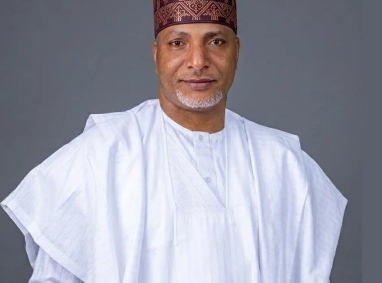
Power Struggle in Northern Nigeria: Ilorin Emirate Faces Backlash Over Senatorial Endorsement
A growing political storm is unfolding in Nigeria’s Kwara State as a civic group openly challenges the Ilorin Emirate’s endorsement of Senator Saliu Mustapha, raising fresh concerns about the intersection of traditional authority and democratic choice.
Uchechi Okporie
Apr 30, 2026
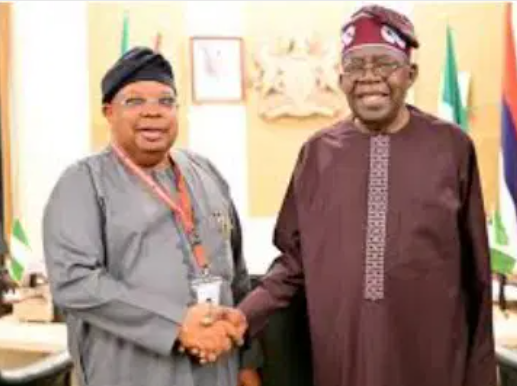
BREAKING: Nigeria’s Power Crisis Boils As Tinubu Picks New Minister in Urgent Reset
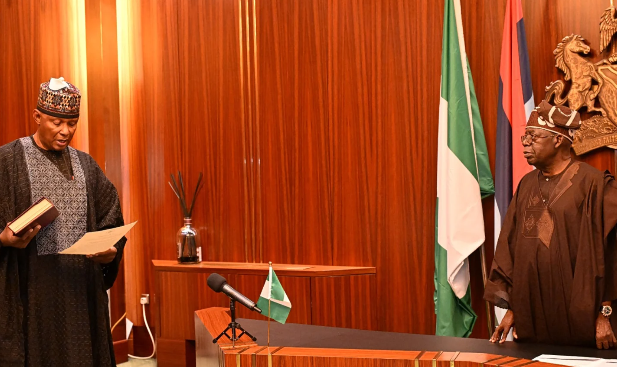
Nigeria’s fragile electricity sector has entered a new phase of uncertainty and expectation after President Bola Ahmed Tinubu moved quickly to replace outgoing power chief Adebayo Adelabu, nominating Tegbe to take charge of the country’s troubled energy system.
Uchechi Okporie
Apr 30, 2026
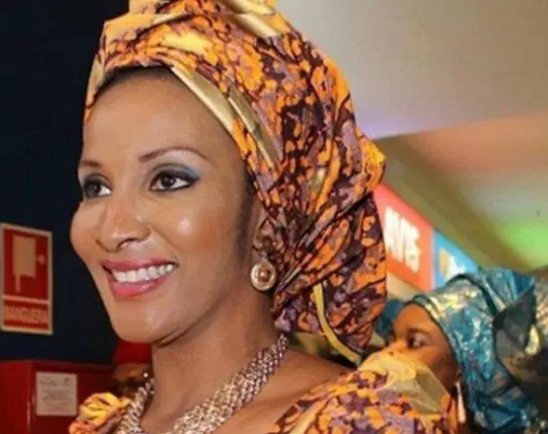
BREAKING: Africa Watches As President Tinubu Hands Nigeria’s Global Diplomacy To Bianca Odumegwu-Ojukwu
Nigeria has triggered a major diplomatic shift after President Bola Ahmed Tinubu appointed Bianca Odumegwu-Ojukwu as the country’s new Minister of Foreign Affairs, a move already drawing attention across Africa and beyond.
Uchechi Okporie
Apr 30, 2026
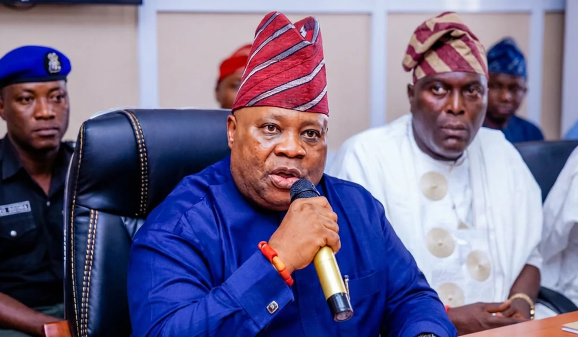
Nigerian University Records Explosive Growth as Student Population Hits 15,000 in Three Years
The University of Ilesa (UNILESA) has recorded a rapid transformation in Nigeria’s higher education landscape, as its student population rises to 15,000 within just three years of establishment, marking one of the fastest institutional expansions in recent academic history.
Uchechi Okporie
Apr 30, 2026
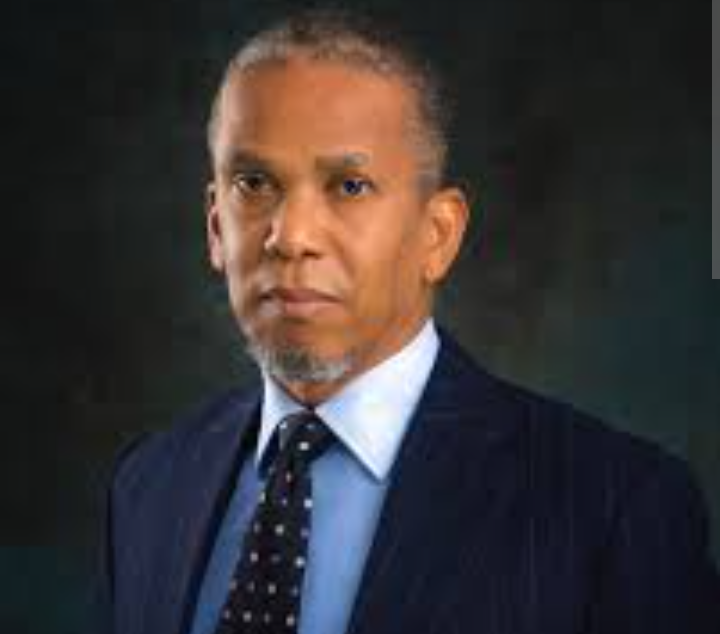
Broken Systems, Broken Results: Dafinone Diagnoses Nigeria’s Development Crisis
Senator Ede Dafinone has urged Nigerian youths to embrace discipline, innovation, and institution-building to drive sustainable development, warning that the nation risks squandering its vast potential without translating capacity into productivity.

Uchechi Okporie
Apr 29, 2026
Nigeria records 15.6% year-on-year drop in petrol prices as energy relief emerges – NBS
Next Africa Daily reports that Nigeria has recorded a 15.6% year-on-year decline in petrol prices, according to new data released by the National Bureau of Statistics (NBS), marking a significant shift in the country’s energy cost trend.

Uchechi Okporie
Apr 29, 2026
Tragedy in Ondo: 20-year-old polytechnic student reported dead in suspected suicide case
Ondo State is in mourning following the death of a 20-year-old polytechnic student, who was found dead in what authorities are treating as a suspected suicide case.

Admin User
Apr 29, 2026
NASS Members Jittery as Governors Move to Dictate Candidates, Block Rivals, Hijack APC Tickets
The All Progressives Congress (APC) has quietly altered its 2027 election timetable after internal concerns that governors were moving to dominate the nomination process, particularly for National Assembly seats.
Trending
Apr 28, 2026
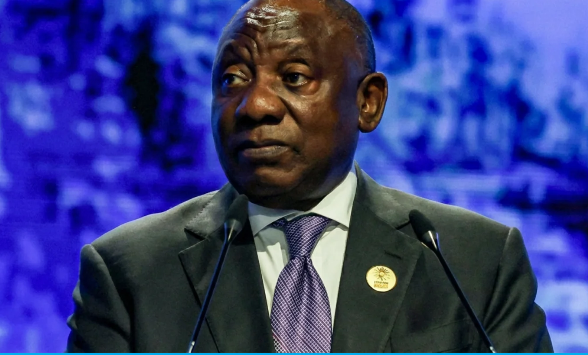
Africa Outraged as Two Nigerians Killed in South Africa, Abuja Demands Urgent Justice
Uchechi Okporie
Apr 25, 2026
BREAKING AFRICA HOUSING CRISIS: Minister Vows Urgent Action as Nigeria Faces Massive Shelter Shortfall
Uchechi Okporie

Apr 27, 2026
Senator Natasha Declares for 2027 Kogi Central Senatorial Race, Says Her Endorsement Overwhelming
Admin User
Apr 27, 2026
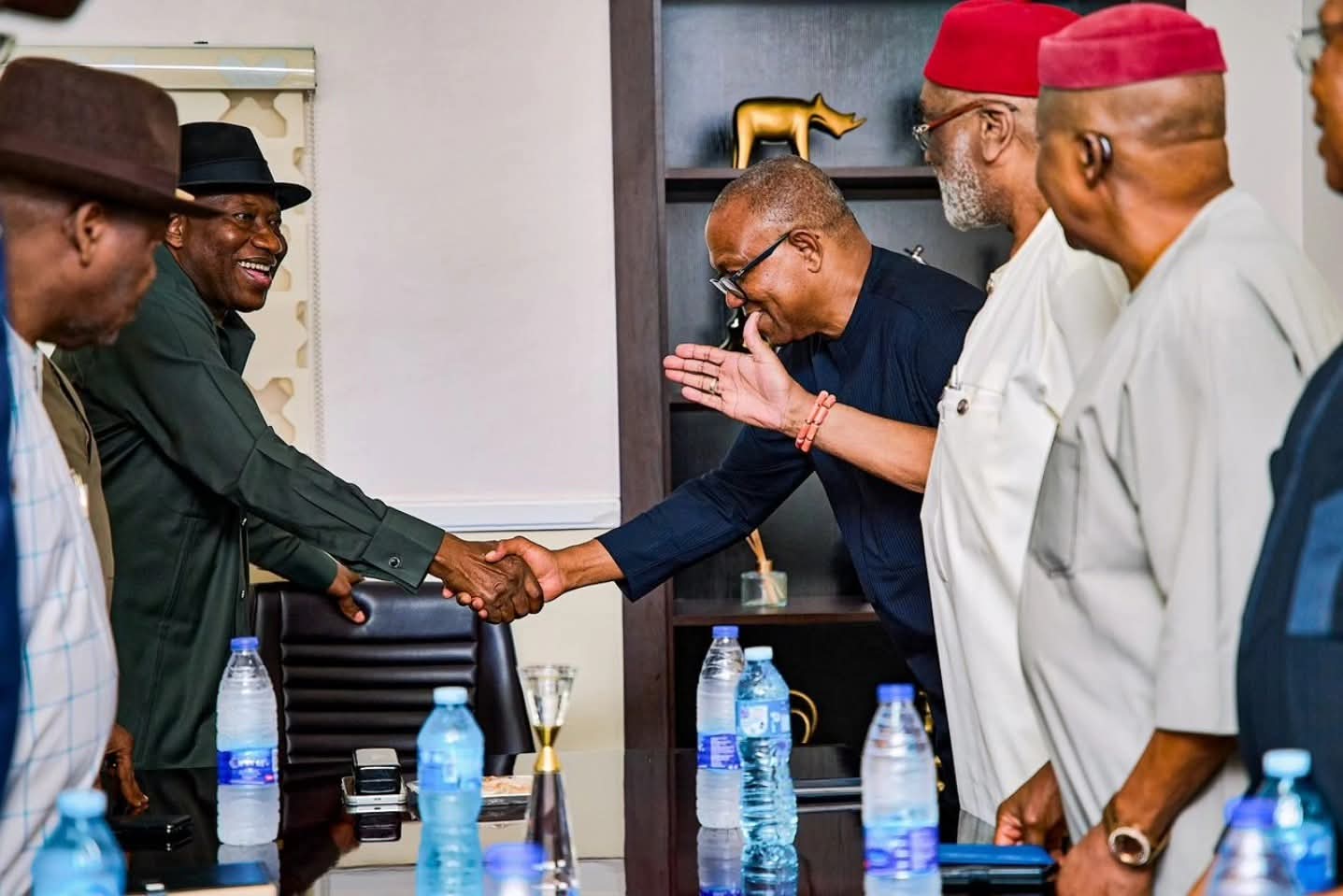
What We Discussed in Our Meeting With Jonathan - Obi Reveals in Explosive Statement
Uchechi Okporie

Apr 28, 2026
A Tall Ambition: Delta Councilor Purchases Expression of Interest Forms to Represent Ndokwa/Ukwuani in House of Reps
Admin User
Apr 26, 2026
AFRICA DIVIDED: Osinbajo and Gospel Singer Lock Horns in Viral Faith War
Uchechi Okporie
Apr 25, 2026
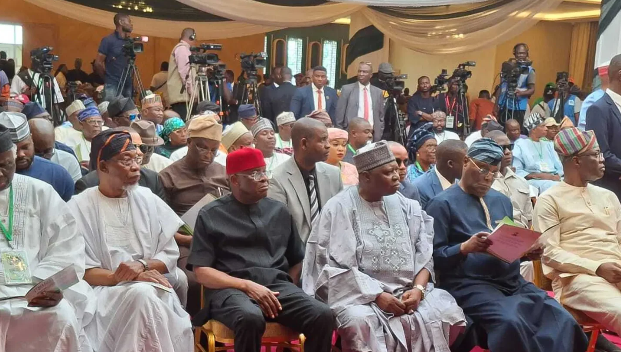
Africa Political Shockwave: Atiku, Obi, Amaechi Gather in Ibadan as Nigeria’s Opposition Forces Signal Major 2027 Battle
Uchechi Okporie
Apr 25, 2026
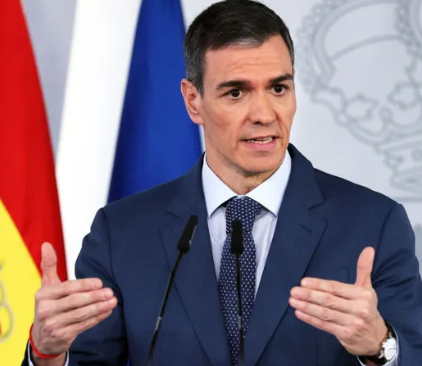
BREAKING: NATO in Internal Storm as US Reportedly Moves Against Spain Over Iran War—Alliance Rules Out Expulsion Powers
Uchechi Okporie
Apr 29, 2026
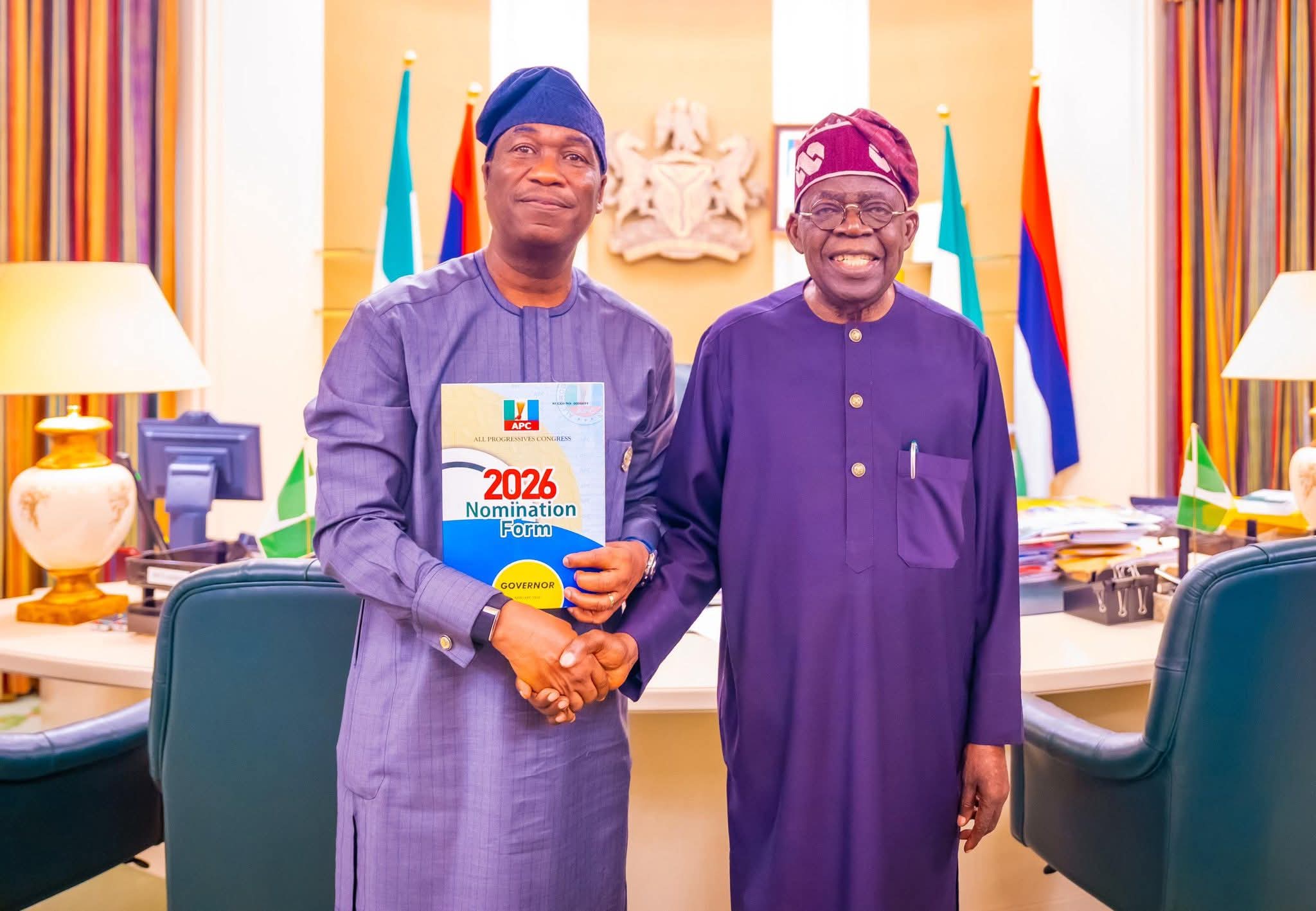
BREAKING: Tinubu Endorses First Governorship Candidate for 2027 General Election
Uchechi Okporie

Apr 27, 2026
From Brothers to Burdens: Why Nigerians Are No Longer Welcome in South Africa, Ghana - The Sad Story
Uchechi Okporie
Apr 26, 2026
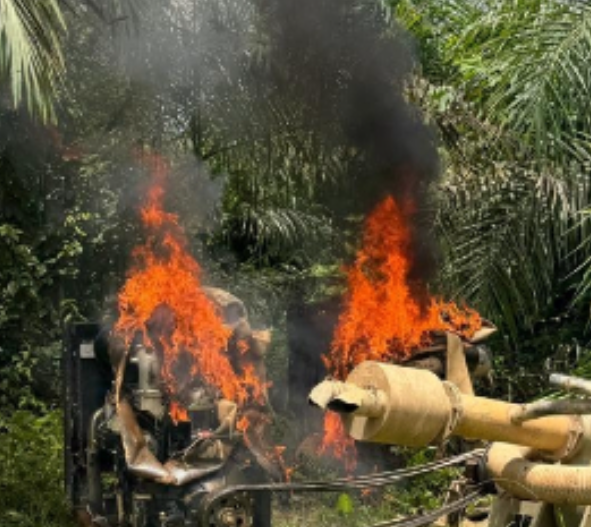
BREAKING: Ghana Forces Storm Illegal Mining Stronghold, Destroy Excavators in Major Anti-Galamsey Crackdown
Uchechi Okporie
Latest Stories
May 02, 2026
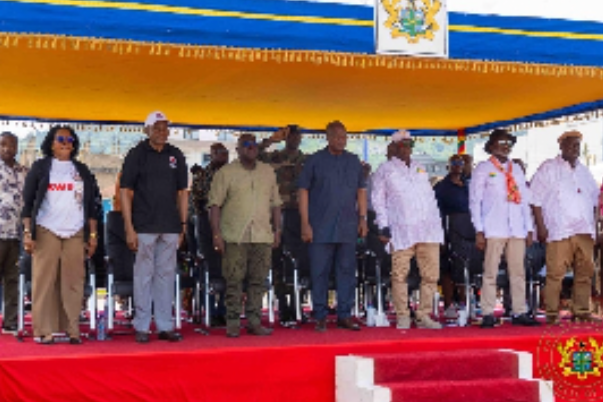
Ghana resets wages: Mahama launches bold public sector pay overhaul and labour reforms
Uchechi Okporie
May 01, 2026
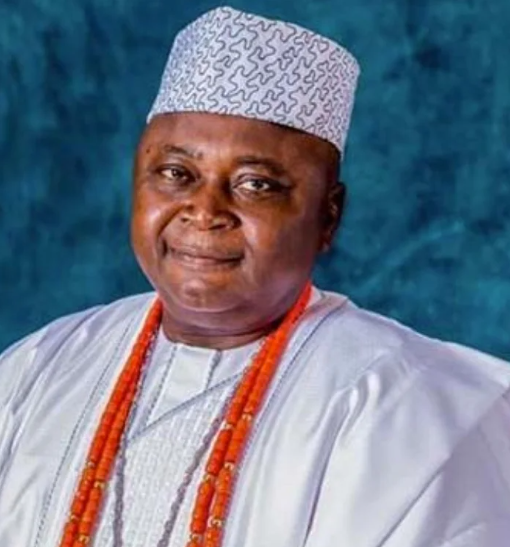
Adebutu storms 2027 Ogun governorship race as PDP realignments begin in South-West Nigeria
Uchechi Okporie

May 01, 2026
Mahama rewards female hero after swift response to Akosombo fire crisis
Uchechi Okporie
May 01, 2026
May Day shock: Workers reject growth narrative, say Africa’s largest economy is leaving millions behind
Uchechi Okporie
May 01, 2026
South Africa fights xenophobia image as Vusi Thembekwayo sparks continent-wide debate
Uchechi Okporie
May 01, 2026
Nigeria’s midfield boost on hold as Ozoh’s clearance delay sparks fresh tension
Uchechi Okporie

May 01, 2026
War tensions shake global oil routes as US, Iran, Israel crisis escalates
Uchechi Okporie
May 01, 2026
Ghana can shock England, Ahinful warns
Uchechi Okporie
May 01, 2026
BREAKING: Abuja peace talks move to end Plateau violence as Nigeria seeks lasting calm
Uchechi Okporie
May 01, 2026
Africa Eyes New Frontiers: Togo and Kyrgyzstan Strike Unlikely Strategic Deal in Bishkek
Uchechi Okporie

May 01, 2026
BREAKING: ‘Ceasefire Illusion’ U.S.–Iran Tensions Choke Global Oil Lifeline as Africa Braces for Economic Shock
Uchechi Okporie