Aniocha/Oshimili2027: Incumbent, Former Lawmaker, Local Chairman — But Who Can Change The Narrative?
 Uchechi Okporie
Mar 09, 2026
3 min read
Uchechi Okporie
Mar 09, 2026
3 min read
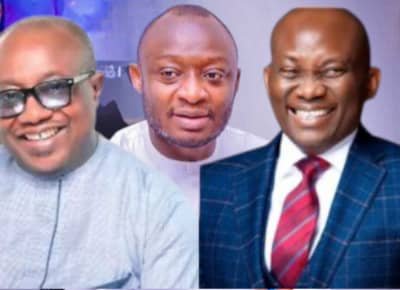
The political temperature in Aniocha/Oshimili Federal Constituency is no longer rising, it is boiling. This is not a routine contest for a seat in the House of Representatives; it is a confrontation between memory and momentum, between institutional experience and insurgent disruption, between administrative proximity and legislative sophistication. At the center of this storm stands three men whose ambitions now define the constituency’s political future: Ndudi Elumelu, Ngozi Okolie, and Obi Kelvin Ezeyinli.
Elumelu is not a stranger to power. He has walked the corridors of the National Assembly. He understands appropriation cycles, caucus negotiations, committee leverage, and the arithmetic of influence. In a legislature where relationships often determine results, he possesses what many politicians spend decades trying to build. That is not a small advantage. It is strategic capital. Yet politics is ruthless to veterans who cannot convert longevity into visible transformation.
The question hanging over Elumelu is not whether he knows Abuja. It is whether Abuja ever truly felt Aniocha/Oshimili because of him. Experience is only valuable when it produces structural change. Otherwise, it degenerates into entitlement.
Then there is Okolie, the man currently occupying the seat. Incumbency is not a theory; it is a test. It offers visibility, committee platforms, oversight powers, and federal interface. It also removes excuses. An incumbent cannot campaign on possibility; he must campaign on performance.
Okolie emerged as a disruption to established political patterns, and that disruption energized many who were tired of recycled leadership. But disruption alone does not equal delivery. The hard interrogation is unavoidable: has his tenure produced measurable legislative impact, or has it been sustained more by symbolism than by structural achievement?
Has he mastered the complex grammar of federal lawmaking, or is he still navigating it? In politics, perception fills the vacuum where performance is unclear. If impact is not aggressively communicated and undeniably visible, opponents will write the narrative.
Ezeyinli enters this equation from a different angle, that's a grassroots executive leadership. As Chairman of Oshimili South, he operates close to the people. Local government administration is immediate; it touches markets, roads, sanitation, and primary institutions. It builds familiarity. It creates daily contact. But federal representation is not an extension of local chairmanship. It is a leap into institutional warfare.
Related Posts

A Tall Ambition: Delta Councilor Purchases Expression of Interest Forms to Represent Ndokwa/Ukwuani in House of Reps
A serving councillor in Ukwuani Local Government Area of Delta State, Chukwuemeke K. Victo...
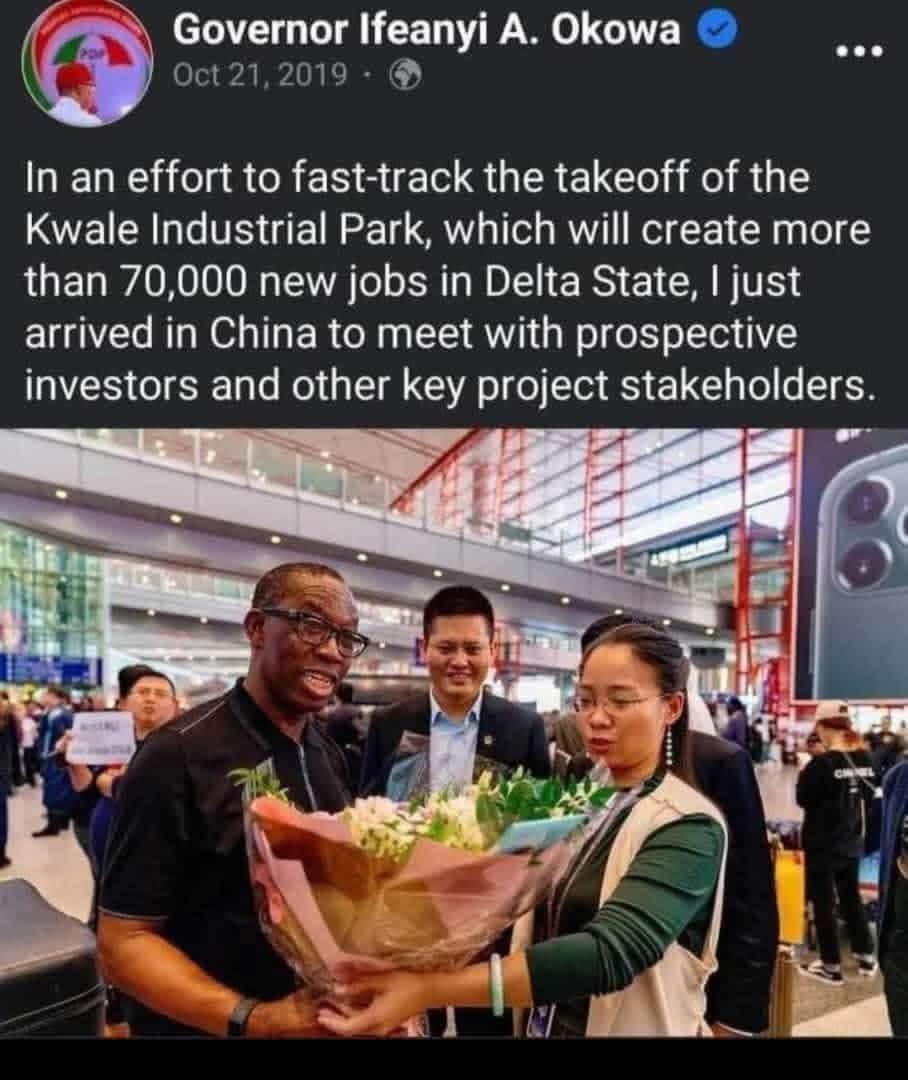
After Executive Approval, China Show, $15m Seed Fund: Where's Okowa's Kwale Industrial Park?
On October 21, 2019, Okowa took to Facebook to announce that the proposed Kwale Industrial...
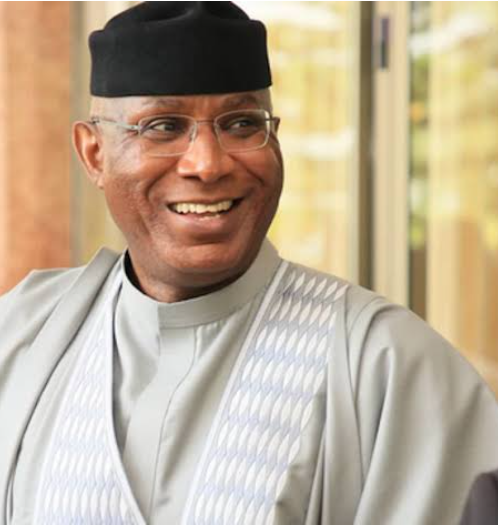
REVEALED: Omo-Agege's Miscalculation That May Make Him Lose Delta Central APC Senatorial Ticket
A political firestorm has erupted in Delta State after Ossai Ovie Success, Senior Special...
Nigeria Opposition Party Meltdown Deepens as Court Detains Malami-Backed Chairman in Kebbi Power Struggle
Nigeria’s opposition politics suffered another dramatic blow on Monday after a court in Ke...
The House of Representatives demands policy articulation, bill drafting, coalition-building, and budgetary strategy at a national scale. Administrative competence at the local level does not automatically translate into legislative dominance at the federal level. The brutal question is whether ambition is aligned with preparedness.
What makes this contest volatile is that each man represents a different theory of leadership. Elumelu represents entrenched experience, the argument that governance is best handled by those who already understand the machinery. Okolie represents insurgent incumbency, the belief that breaking old structures creates space for new accountability. Ezeyinli represents grassroots ascendancy, the idea that proximity to the people is the purest qualification for higher office. But Aniocha/Oshimili does not need theories. It needs results.
The constituency’s challenges are not abstract. Federal neglect is not sentimental. Infrastructure gaps, economic stagnation, and youth frustration cannot be solved by rhetoric at rallies or carefully staged media appearances. They require someone who can dominate committee rooms, manipulate appropriation frameworks, negotiate inter-party alliances, and force federal resources into local pipelines. Representation is not about occupying a green seat in Abuja; it is about weaponizing that seat for constituency advantage.
This is where the controversy sharpens. If voters choose based on nostalgia, the past will return, with all its strengths and all its unresolved questions. If they choose based on anger alone, they may embrace disruption without depth. If they choose based on familiarity at the grassroots, they must be certain that familiarity can survive the brutal complexity of national legislation. Every option carries risk. Every candidacy carries vulnerability.
Elumelu must answer whether his previous tenure delivered enough to justify a return. Okolie must prove that incumbency has translated into measurable, defensible gains. Ezeyinli must demonstrate that executive proximity can evolve into legislative mastery. Sentiment cannot substitute for scrutiny. Loyalty cannot replace performance metrics.
Aniocha/Oshimili stands at a fork in its political history. The electorate can recycle power, reinforce disruption, or gamble on transition. But one truth is unavoidable: the next representative must combine strategic intelligence, legislative aggression, and uncompromising constituency advocacy. Anything less will not merely be a political disappointment, it will be another four-year delay in a constituency that can no longer afford delay.
Related Posts
Uchechi Okporie
Apr 20, 2026
Why Are Politicians Suddenly Rushing to APC Nigerians Smell Fear, Power and Protection Behind the Great Defection Wave
Across Nigeria, a political migration is unfolding before the eyes of millions. Politicians who once condemned the ruling All Progressives Congress are now lining up to join it.
Uchechi Okporie
Apr 12, 2026
BREAKING: Power Struggle Erupts in Nigeria’s Opposition as New Leadership Emerges Amid Deepening Party Crisis
Nigeria’s opposition politics has been thrown into fresh uncertainty after the African Democratic Congress (ADC) in Edo State unveiled a new executive leadership, intensifying an already volatile internal crisis.
Uchechi Okporie
Apr 09, 2026
A Wave of Discontent: Inside the Coordinated Backlash Against Delta’s Three Senators
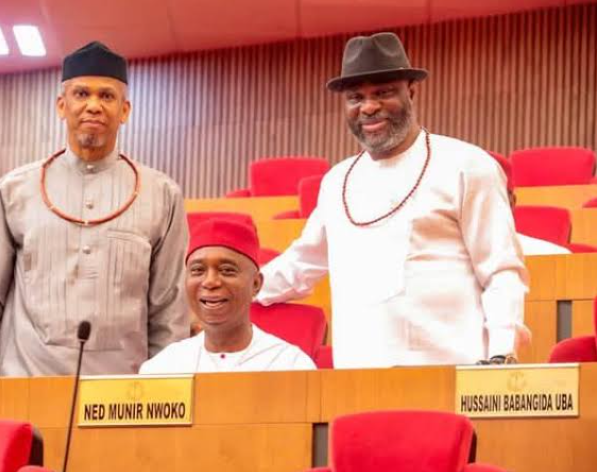
A coordinated wave of political pressure is emerging across Delta State, where three first-term senators—Ned Nwoko (Delta North), Ede Dafinone (Delta Central), and Joel Onowakpo Thomas (Delta South)—are facing growing criticism from political actors and sections of their constituencies.
Uchechi Okporie
Mar 31, 2026
Aftermath of Kwankwaso Defection: Pressure Mounts on INEC to Destabilise ADC
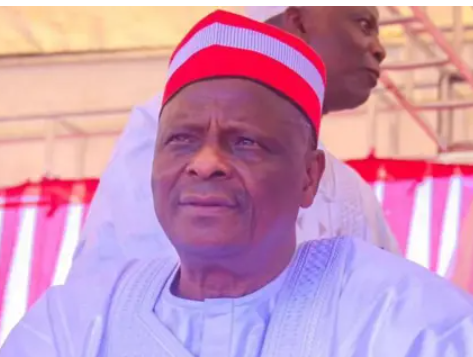
The African Democratic Congress (ADC) has accused the APC-led Federal Government of attempting to destabilise the party following Senator Rabiu Musa Kwankwaso’s defection, alleging pressure on INEC Chairman, Prof. Joash Ojo Amupitan (SAN), to interfere in its leadership.
Uchechi Okporie
Mar 31, 2026
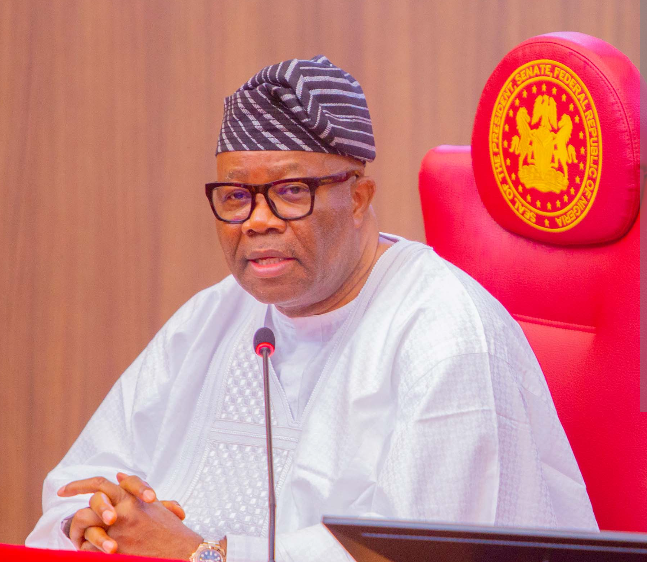
Nigeria Declares Three Senate Seats Vacant, Orders Urgent By-Elections
Nigeria’s political landscape shifted on Tuesday after Senate President Godswill Akpabio announced that three seats in the upper chamber have been declared vacant following the deaths of the lawmakers who previously occupied them.

Uchechi Okporie
Mar 29, 2026
Beyond Talent: Teen’s Mastery of 176 Bible Verses Becomes Defining Moment At Asaba Global Crusade with Kumuyi
The fourth day of thThee Global Crusade with Kumuyi (GCK), held in Asaba, Delta State, on March 28, 2026, delivered a deeply moving and memorable Impact Academy session at the Cenotaph grounds behind the House of Assembly along Okpanam Road.
Uchechi Okporie
Mar 28, 2026
What happened at the Ozoro Festival? A student’s testimony is shaking the community.
The Ozoro traditional council condemned the alleged assault, insisting it “does not represent the community’s cultural values” and urging security agencies to bring those responsible to justice.
Uchechi Okporie
Mar 25, 2026
Headline: Nigeria’s Main Opposition Party Averts Collapse as Rival Factions Open Unity Talks Ahead of 2027 Vote
Nigeria’s main opposition party, the Peoples Democratic Party (PDP), has stepped back from the brink of a major internal fracture, with two warring factions initiating reconciliation talks aimed at presenting a united front for the 2027 general elections.
Trending
Apr 28, 2026
Africa Outraged as Two Nigerians Killed in South Africa, Abuja Demands Urgent Justice
Uchechi Okporie
Apr 25, 2026
BREAKING AFRICA HOUSING CRISIS: Minister Vows Urgent Action as Nigeria Faces Massive Shelter Shortfall
Uchechi Okporie

Apr 27, 2026
Senator Natasha Declares for 2027 Kogi Central Senatorial Race, Says Her Endorsement Overwhelming
 Admin User
Apr 27, 2026
What We Discussed in Our Meeting With Jonathan - Obi Reveals in Explosive Statement
Uchechi Okporie
Apr 28, 2026
A Tall Ambition: Delta Councilor Purchases Expression of Interest Forms to Represent Ndokwa/Ukwuani in House of Reps
Admin User
Apr 25, 2026
Africa Political Shockwave: Atiku, Obi, Amaechi Gather in Ibadan as Nigeria’s Opposition Forces Signal Major 2027 Battle
Uchechi Okporie
Apr 25, 2026
BREAKING: NATO in Internal Storm as US Reportedly Moves Against Spain Over Iran War—Alliance Rules Out Expulsion Powers
Uchechi Okporie
Apr 26, 2026
AFRICA DIVIDED: Osinbajo and Gospel Singer Lock Horns in Viral Faith War
Uchechi Okporie

Apr 27, 2026
From Brothers to Burdens: Why Nigerians Are No Longer Welcome in South Africa, Ghana - The Sad Story
Uchechi Okporie
Apr 26, 2026
BREAKING: Ghana Forces Storm Illegal Mining Stronghold, Destroy Excavators in Major Anti-Galamsey Crackdown
Uchechi Okporie

Apr 26, 2026
Gunfire Panic Rocks White House Dinner as Trump Evacuated in Major Security Scare
Uchechi Okporie
Latest Stories
May 01, 2026
Ghana can shock England, Ahinful warns
Uchechi Okporie
May 01, 2026
BREAKING: Abuja peace talks move to end plateau violence as Nigeria seeks lasting calm
Uchechi Okporie
May 01, 2026
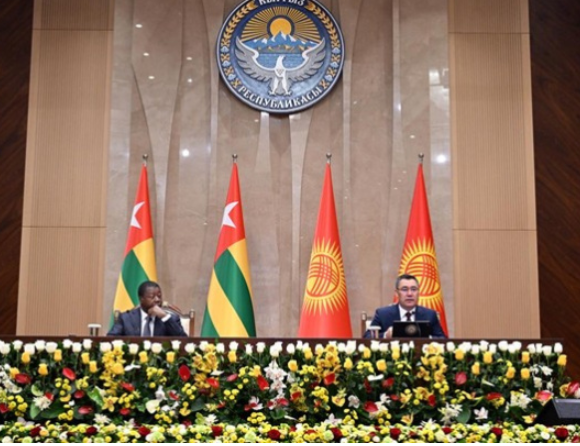
Africa Eyes New Frontiers: Togo and Kyrgyzstan Strike Unlikely Strategic Deal in Bishkek
Uchechi Okporie

May 01, 2026
BREAKING: ‘Ceasefire Illusion’ U.S.–Iran Tensions Choke Global Oil Lifeline, Africa Braces for Economic Shock
Uchechi Okporie
May 01, 2026
Nigeria Sets High-Stakes June 20 Vote Across Six States as Electoral Clock Ticks Toward 2027
Uchechi Okporie
Apr 30, 2026
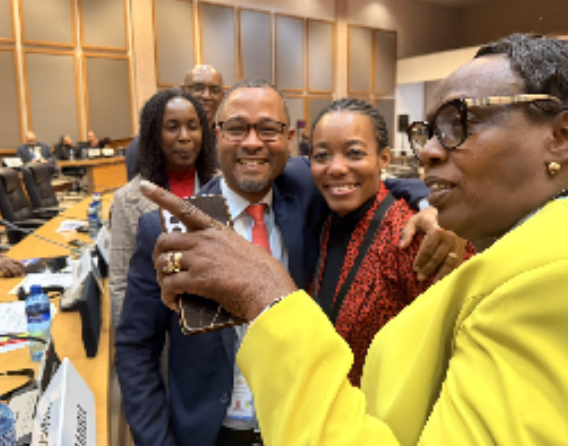
BREAKING: Ghana’s Zanetor Agyeman-Rawlings Lands Top Pan-African Parliament Role, Signaling New Era of Youthful African Leadership
Uchechi Okporie
Apr 30, 2026
Omo-Agege Reacts to Oborewvori's Comments on 2023 Election, Says Governor Raising the Matter Serves No Useful Purpose
Admin User
Apr 30, 2026
Egypt Stuns the World: 1,600-Year-Old Mummy Found With Ancient Iliad Text Hidden Inside Body
Uchechi Okporie
Apr 30, 2026
Power Struggle in Northern Nigeria: Ilorin Emirate Faces Backlash Over Senatorial Endorsement
Uchechi Okporie
Apr 30, 2026
BREAKING: Nigeria’s Power Crisis Boils As Tinubu Picks New Minister in Urgent Reset
Uchechi Okporie

Apr 30, 2026
Ashanti Political Firestorm: NDC Women’s Boss Drops Bombshell Allegations Against Ejisu MCE
Uchechi Okporie