Global Oil Prices Surge as Israel–Iran Conflict Hits Key Energy Infrastructure
 Uchechi Okporie
Mar 19, 2026
4 min read
Uchechi Okporie
Mar 19, 2026
4 min read
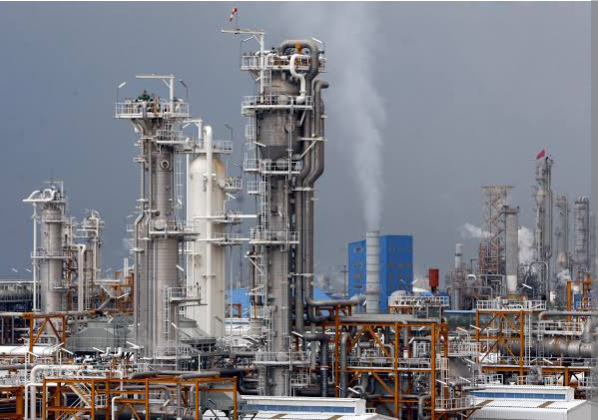
Global oil prices have surged sharply following an Israeli strike on Iran’s South Pars gasfield, escalating tensions in the ongoing United States–Israel conflict with Tehran and raising fears of prolonged disruption to global energy supplies.
According to a report by Al Jazeera, Brent crude the international oil benchmark climbed by more than 5 percent to $108.66 per barrel, while US West Texas Intermediate (WTI) rose to $98.65. The widening gap between the two benchmarks reflects growing concerns over supply instability amid intensifying hostilities.
The spike came after Iranian state media confirmed that facilities linked to the South Pars gasfield — the world’s largest natural gas reserve located off Iran’s southern coast — were struck. The attack marks a significant escalation, as energy infrastructure becomes a direct target in the conflict.
In response, Iran’s Revolutionary Guard threatened retaliatory strikes against oil and gas installations across key Gulf states, including Qatar, Saudi Arabia and the United Arab Emirates. Hours later, Qatari authorities reported a fire at the Ras Laffan gas facility following a missile strike, though officials said the situation was eventually brought under control.
The widening conflict has already begun to disrupt energy exports across the Middle East, a region responsible for a significant share of global oil and liquefied natural gas supply. Analysts warn that continued attacks could sustain high energy prices and trigger a fresh wave of global inflationary Critical shipping routes have also been affected. Fighting has slowed or halted shipments through the Strait of Hormuz a strategic chokepoint through which roughly 20 percent of global oil and gas supplies pass intensifying fears of a broader supply shock.
Related Posts
War tensions shake global oil routes as US, Iran, Israel crisis escalates
A rapidly intensifying standoff involving the United States, Iran, and Israel is sending s...
BREAKING: ‘Ceasefire Illusion’ U.S.–Iran Tensions Choke Global Oil Lifeline as Africa Braces for Economic Shock
A temporary ceasefire in the escalating conflict involving the United States, Israel, and...

Deadly Rain Disaster in India: Hospital Wall Collapse Kills Seven in Bengaluru
At least seven people have been confirmed dead in Bengaluru after a hospital compound wall...

BREAKING: ELECTION VIOLENCE ROCKS INDIA’S WEST BENGAL AS CLASHES ERUPT DURING POLLS
Tensions flared in West Bengal during the second phase of voting as fresh incidents of pol...
Production losses in the region are estimated between 7 million and 10 million barrels per day, representing up to 10 percent of global demand.
In response to the crisis, the United States announced a temporary 60-day waiver of the Jones Act to allow foreign vessels to transport fuel and essential goods between US ports. Washington also issued a general licence permitting certain transactions involving Venezuela’s state oil company, PDVSA, in a move aimed at easing supply constraints.
Meanwhile, Iraq has resumed oil exports via pipeline after reaching an agreement between Baghdad and the Kurdistan Regional Government, offering a limited offset to broader regional supply disruptions.
Experts caution that if the conflict persists and energy infrastructure continues to be targeted, the global economy could face sustained inflationary pressure and heightened market volatility
Related Posts
Uchechi Okporie
Apr 29, 2026
Starmer Survives Explosive Parliament Showdown as UK PM Escapes Probe Over US Ambassador Appointment
UK Prime Minister Keir Starmer has narrowly avoided a parliamentary investigation after lawmakers voted down claims he misled MPs over the controversial appointment of Lord Peter Mandelson as ambassador to the United States.

Uchechi Okporie
Apr 28, 2026
Melania Trump Demands ABC Sack Jimmy Kimmel as White House Dinner Shooting Scare Rocks America
A fierce political and media storm has erupted in the United States after First Lady Melania Trump publicly called on ABC to take action against late-night comedian Jimmy Kimmel over a controversial joke targeting her, just as a separate shooting scare disrupted the annual White House Correspondents’ Dinner.
Trending
Apr 28, 2026
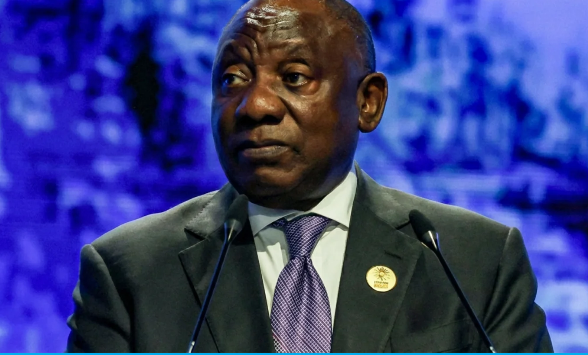
Africa Outraged as Two Nigerians Killed in South Africa, Abuja Demands Urgent Justice
Uchechi Okporie

Apr 27, 2026
Senator Natasha Declares for 2027 Kogi Central Senatorial Race, Says Her Endorsement Overwhelming
 Admin User
Apr 27, 2026
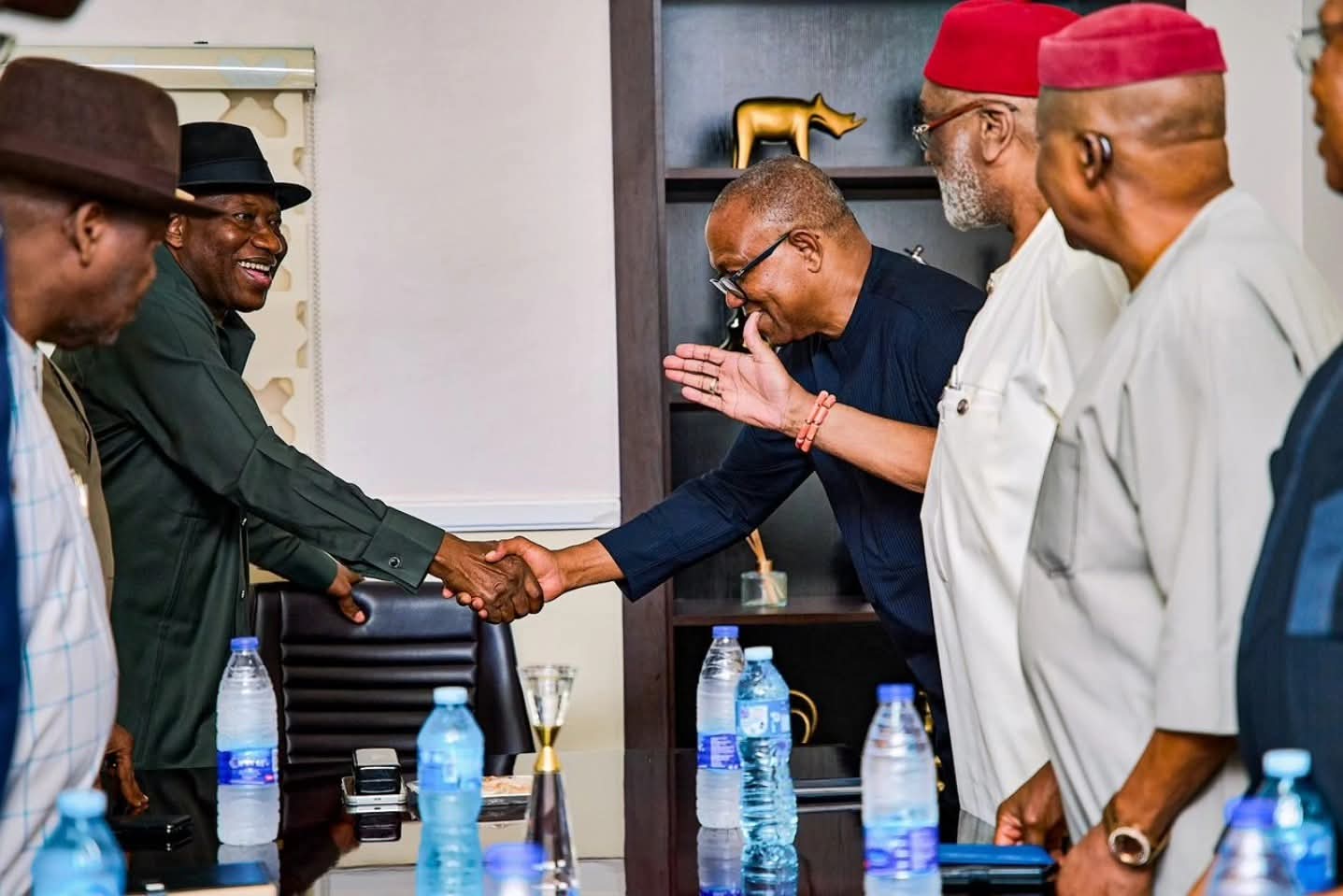
What We Discussed in Our Meeting With Jonathan - Obi Reveals in Explosive Statement
Uchechi Okporie

Apr 28, 2026
A Tall Ambition: Delta Councilor Purchases Expression of Interest Forms to Represent Ndokwa/Ukwuani in House of Reps
Admin User
Apr 29, 2026
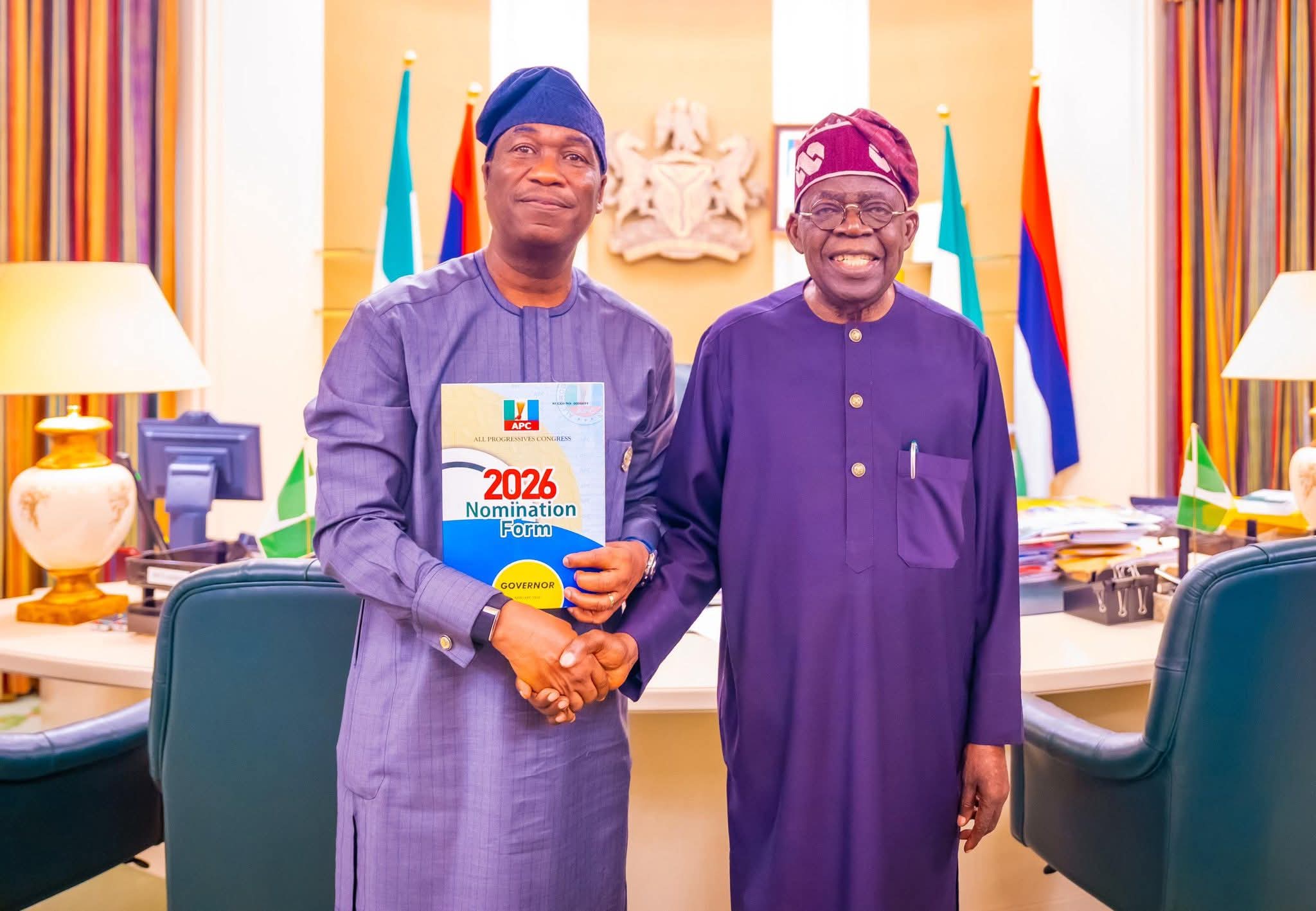
BREAKING: Tinubu Endorses First Governorship Candidate for 2027 General Election
Uchechi Okporie

Apr 27, 2026
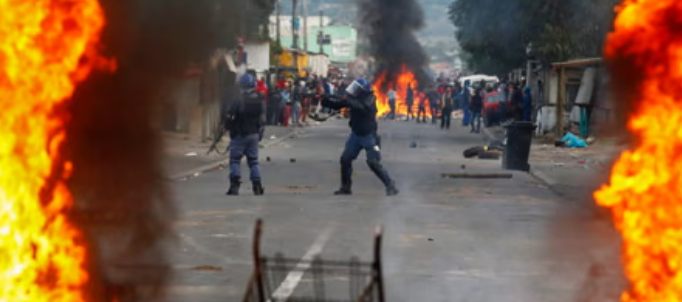
From Brothers to Burdens: Why Nigerians Are No Longer Welcome in South Africa, Ghana - The Sad Story
Uchechi Okporie
May 02, 2026
Nigeria summons South African envoy over fresh tensions as alleged attacks on citizens spark continental concern
Uchechi Okporie
Apr 27, 2026
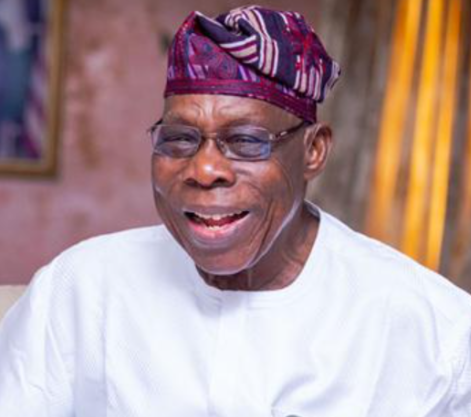
As Policy Makers Grapple With Rising Fuel Cost, Obasanjo Drops Another Bombshell (This is Disturbing)
Uchechi Okporie
Apr 30, 2026
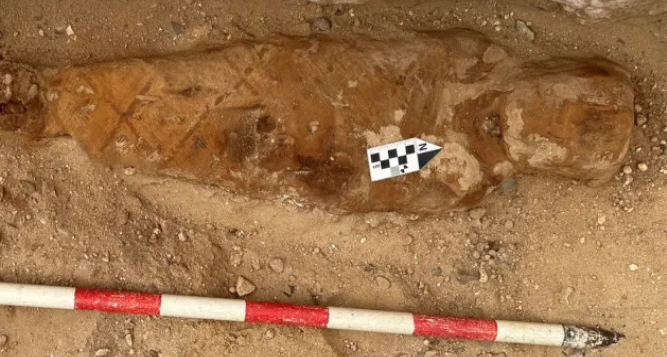
Egypt Stuns the World: 1,600-Year-Old Mummy Found With Ancient Iliad Text Hidden Inside Body
Uchechi Okporie
Apr 28, 2026
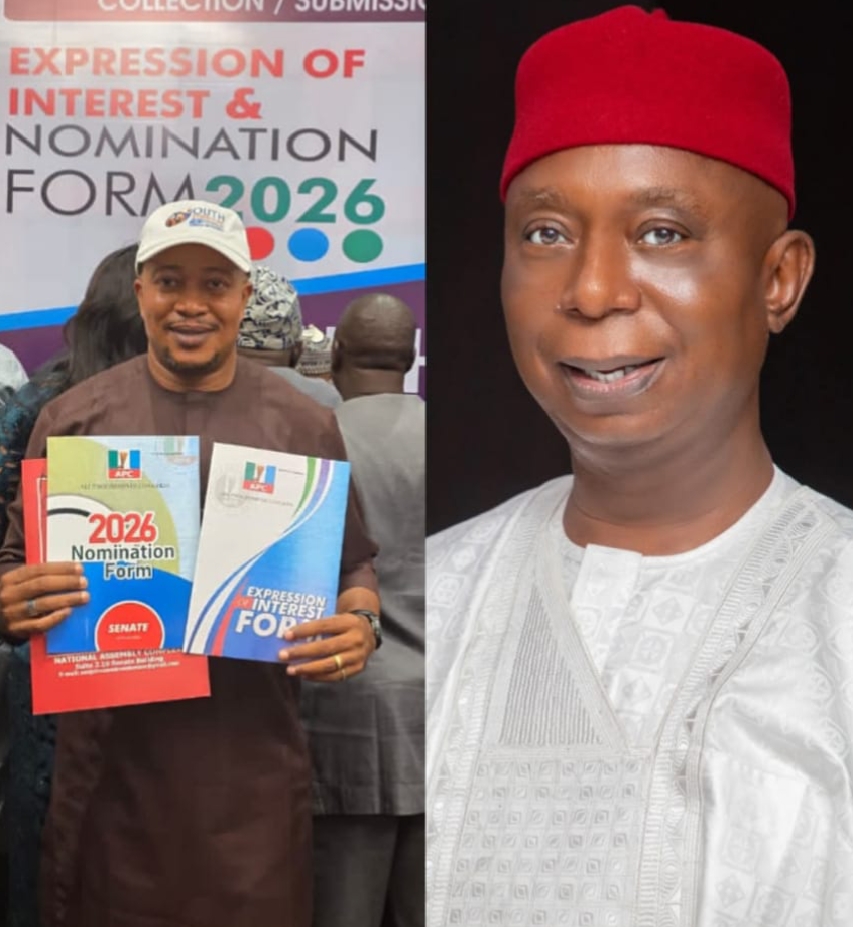
Nigerian Senator Nwoko Takes Formal Step Towards Second Term, Purchases Expression of Interest Forms
Admin User
Apr 27, 2026
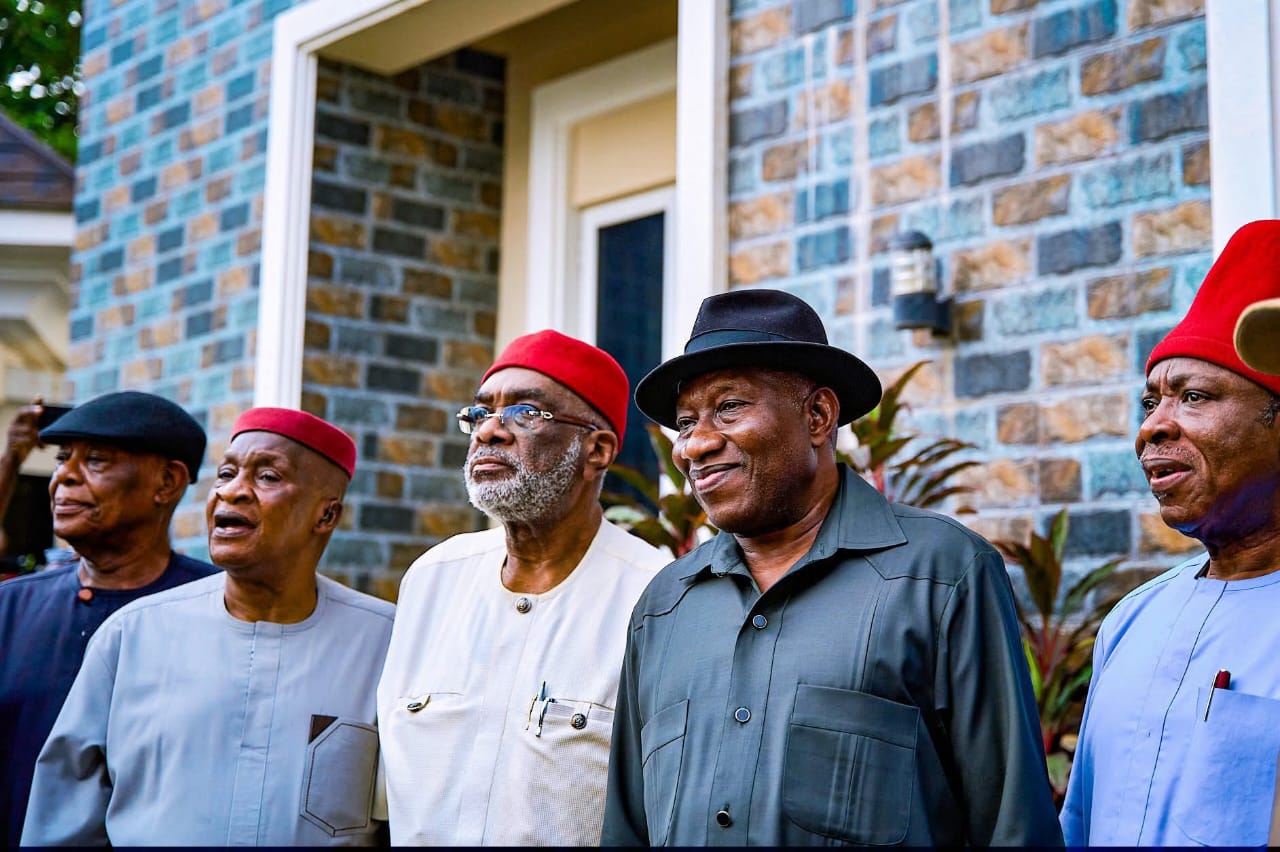
Jonathan, Obi, Igbo Leaders Hold Closed-Door Talks on 2027 Presidency
Uchechi Okporie
Latest Stories
May 03, 2026
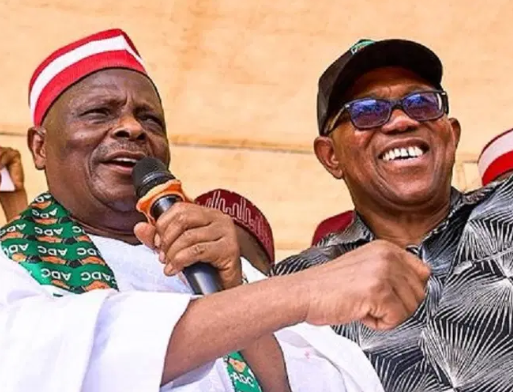
Global shock move ahead of Nigeria 2027 race as Peter Obi and Rabiu Kwankwaso prepare to unveil new political platform
Uchechi Okporie
May 03, 2026
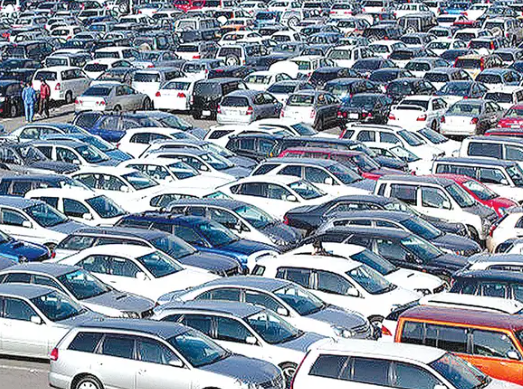
Toxic wheels: How imported ‘tokunbo’ cars from US and Canada are turning Nigeria’s roads into death traps
Uchechi Okporie
May 03, 2026
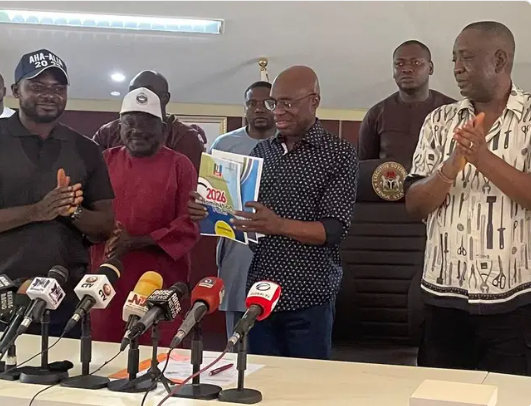
Benue power play: Alia moves to heal APC rift ahead of Nigeria’s high-stakes 2027 race
Uchechi Okporie
May 02, 2026
Defend votes with fire: Nigeria opposition figure sparks outrage ahead of 2027 elections
Uchechi Okporie
May 02, 2026
Mahama ignites Ghana cash row, questions Akufo-Addo era spending
Uchechi Okporie
May 02, 2026
Nigeria summons South African envoy over fresh tensions as alleged attacks on citizens spark continental concern
Uchechi Okporie

May 02, 2026
Real Madrid rocked as Dani Carvajal injury blow threatens title push
Uchechi Okporie

May 02, 2026
World cup 2026: Cities, culture and fan zones set to steal the show beyond football
Uchechi Okporie
May 02, 2026
Breaking: Nigeria’s opposition in turmoil as 2027 presidential battle splits ADC wide open
Uchechi Okporie
May 02, 2026
Nigeria declares national emergency as Tinubu moves against surging insecurity and poverty crisis
Uchechi Okporie

May 02, 2026
Breaking: Obi’s 2027 ambition under fire as ex-ally declares “he’s going nowhere”
Uchechi Okporie