From Brothers-in-Struggle to Rivals-in-Power: How Senegal’s President Diomaye Faye and PM Sonko Fell Apart
 Admin User
May 23, 2026
3 min read
Admin User
May 23, 2026
3 min read
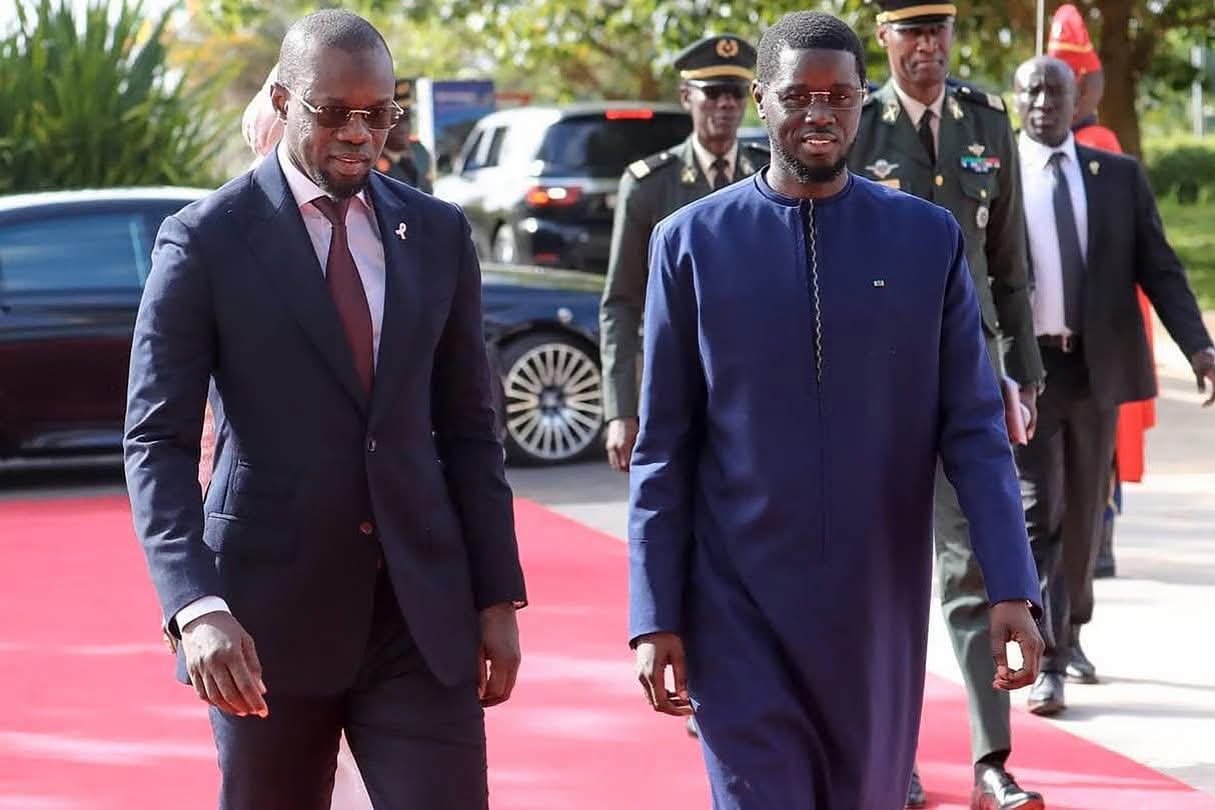
For years, Bassirou Diomaye Faye and Ousmane Sonko were seen as inseparable political allies, two anti-establishment revolutionaries who promised to dismantle the old political order in Senegal and return power to ordinary citizens.
Their movement inspired millions of young Africans. Their rise symbolized rebellion against elite politics, French influence, corruption, unemployment, and economic frustration. Together, they defeated the political establishment in 2024 under the banner of the PASTEF movement, riding a wave of popular anger and youthful optimism. But barely two years later, the alliance collapsed dramatically.
What began as quiet ideological differences evolved into a dangerous power struggle at the heart of Senegal’s government, ending with President Diomaye Faye dismissing Sonko as Prime Minister and dissolving the entire government in May 2026. The breakup was not sudden. It was building from the very first day they entered power.
The Beginning: A Political Brotherhood Built on Resistance
To understand the fallout, one must first understand how deeply connected the two men once were. Ousmane Sonko was the charismatic face of Senegal’s opposition movement. Fiercely nationalist, confrontational, and wildly popular among the youth, he built his reputation attacking corruption, French influence, and Senegal’s political elite. Bassirou Diomaye Faye, meanwhile, was the quieter strategist, disciplined, intellectual, and loyal to Sonko.
When Sonko was barred from contesting the 2024 presidential election because of legal battles and a defamation conviction, he handpicked Faye as his replacement candidate. That decision changed Senegal’s history.
Faye won the presidency with Sonko’s political machinery, Sonko’s supporters, Sonko’s ideology, and Sonko’s revolutionary image behind him. Many Senegalese saw Faye not merely as an independent leader, but as the political extension of Sonko himself. That perception would later become the root of the crisis.
The First Crack: Who Really Controlled Power?
The central tension was simple: Who truly held authority in Senegal, the elected president or the movement’s political leader? Although Faye became president constitutionally, Sonko remained the dominant figure inside PASTEF and among grassroots supporters. He retained enormous influence over parliament, party structures, activists, and the revolutionary base that brought them to power.
Very early into the administration, observers began noticing signs of dual power inside government. There was: President Faye, who occupied the presidency and state institutions. There was Prime Minister Sonko, who controlled the movement’s ideological soul and political machinery.
That arrangement was never sustainable. As months passed, Sonko increasingly behaved less like a subordinate prime minister and more like the guardian of the revolution, someone who believed he had a superior moral claim to the government because he created the movement that produced Faye.
Meanwhile, Faye gradually began asserting presidential independence. That was the beginning of the fracture.
At first, the disagreements were subtle. Sonko favored a far more aggressive political approach: Faster economic nationalism. Harder anti-Western positioning. Confrontational rhetoric. Immediate restructuring of Senegal’s economic relationships and Radical reforms
Faye, however, increasingly appeared more cautious and institutional. As president, he had to manage: International lenders, diplomacy, debt crises, state institutions, economic stability and investor confidence. The two men started operating at different speeds.
Sonko wanted revolutionary transformation. Faye wanted controlled transition. This difference became especially explosive during Senegal’s economic crisis.
The IMF and Debt Crisis Deepened the Rift
One major source of tension was Senegal’s worsening debt situation. An audit reportedly uncovered tens of billions of dollars in hidden liabilities inherited from the previous administration, creating a fiscal emergency and disrupting negotiations with the IMF.
The government then faced difficult choices: austerity, restructuring, negotiations with international lenders, and unpopular financial measures. Faye leaned toward pragmatic engagement with international institutions. Sonko reportedly resisted parts of the IMF-backed restructuring approach and rejected some financial concessions. This widened mistrust inside government.
To Sonko and his supporters, compromise risked betraying the anti-establishment promises that brought them to power. To Faye, ideological rigidity threatened economic collapse.
The Battle for PASTEF
Related Posts
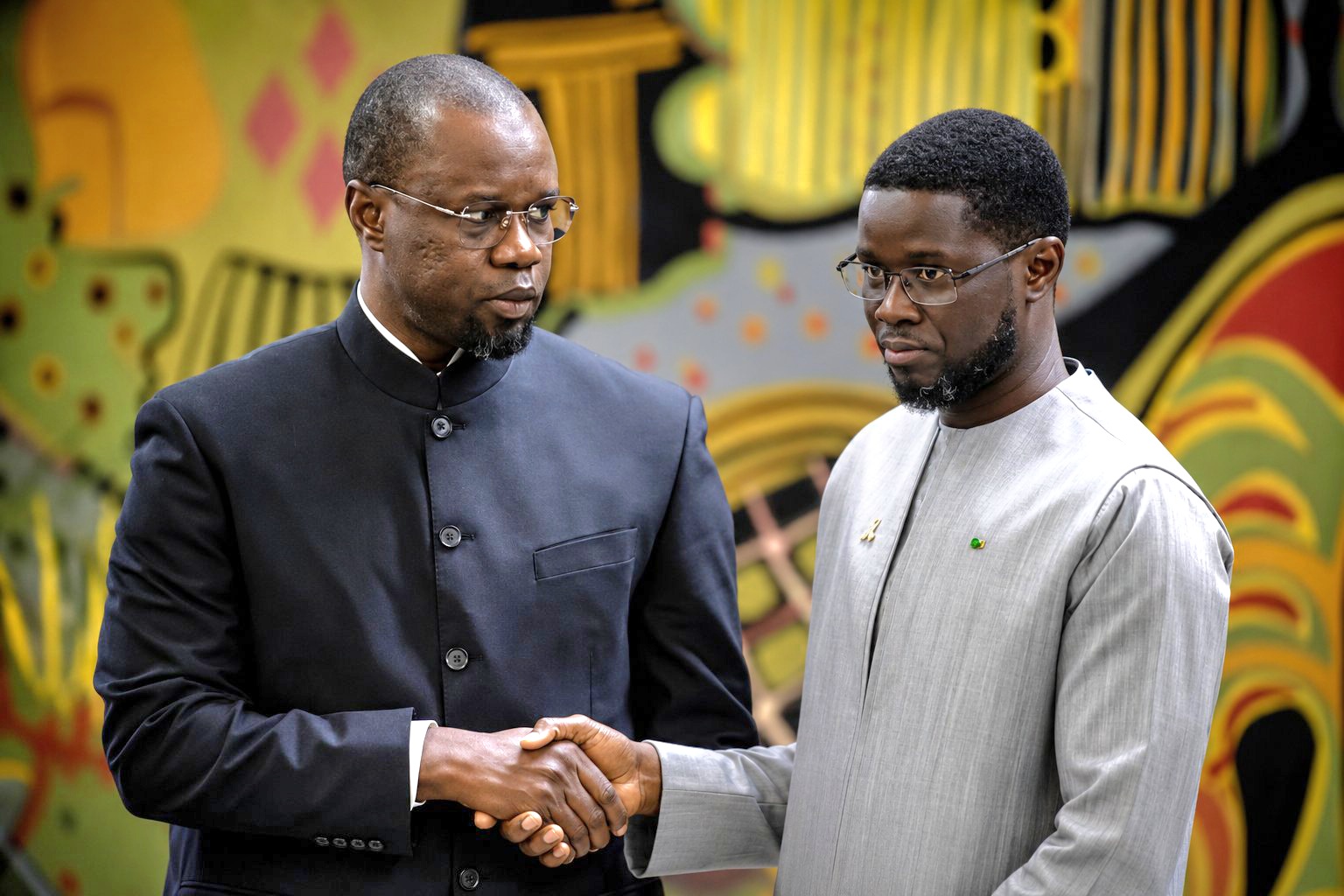
Senegal President Faye Fires PM Sonko After Months of Bitter Power Struggle
Senegal has plunged deeper into political uncertainty after President Bassirou Diomaye Fay...
From Nairobi to Kigali: What Tinubu Discussed with Rwanda President will Benefit Nigerians
Nigerian President Bola Ahmed Tinubu has renewed calls for deeper economic integration acr...
Drama in The Capital: Embattled police Boss Gets New Date to Face Explosive Corruption Probe
South Africa’s high-profile corruption inquiry is set for another dramatic chapter after s...
As tensions grew, another fight emerged: control of the ruling party itself. Reports indicated that factions inside PASTEF increasingly aligned themselves either with Sonko or with Faye.
Sonko remained the emotional center of the party. But Faye, now president, wanted to build authority beyond Sonko’s shadow.
In May 2026, Faye publicly warned that PASTEF risked collapse if internal divisions continued. He stressed that the party could not revolve around only himself and Sonko.
That statement was politically significant. It suggested: Faye believed Sonko’s dominance inside the party had become dangerous. He wanted institutional control, independent of Sonko. The presidency was preparing for confrontation.
At that point, reconciliation was already becoming unlikely. The crisis exploded openly when Sonko began criticizing the president publicly.
One particularly damaging moment came during debates over political funds and governance decisions. According to multiple reports, Sonko openly suggested that President Faye had made mistakes. That was a turning point.
In presidential systems, public criticism from a sitting prime minister against the president is often interpreted as a direct challenge to authority. The conflict was no longer hidden.
It became clear that: trust had collapsed, internal mediation had failed, and both camps were preparing for political separation.
The Final Explosion: Sonko Fired
On May 22, 2026, President Faye finally acted. He dismissed Ousmane Sonko as Prime Minister and dissolved the government entirely.
The announcement shocked Senegal and much of Africa because the two men had long been portrayed as political brothers. The dismissal represented the formal collapse of Senegal’s revolutionary alliance, the end of the Diomaye-Sonko power-sharing experiment, and the beginning of a potentially unstable new phase in Senegalese politics.
Even more dangerously, Sonko still retained enormous grassroots influence and parliamentary loyalty through PASTEF. That means the political war may not truly be over.
Why Their Alliance Was Probably Destined to Fail
The tragedy of the Diomaye-Sonko relationship lies in a contradiction built into their victory. Faye became president because of Sonko. But once someone occupies the presidency, real power changes people and institutions.
Eventually, a president wants autonomy, a political kingmaker wants influence, and both men begin competing for legitimacy. The alliance contained structural tensions from the start, one man had constitutional authority, the other had emotional authority over the movement.
In many political systems, that duality eventually produces conflict. Senegal merely became the latest example.
What Happens Next?
The breakup creates serious uncertainty for Senegal. Key questions now include: Will PASTEF split into rival factions? Will Sonko attempt a political comeback for 2029? Can Faye govern effectively without Sonko’s base? Will the economic crisis worsen? Can Senegal maintain its democratic stability?
One thing is certain: The collapse of the Diomaye-Sonko alliance marks one of the most important political turning points in modern Senegalese history.
A movement that once symbolized unity, resistance, and revolutionary hope has now fractured under the weight of power itself. Can Faye govern Senegal without the backing of Sonko? Time will tell.
Related Posts
No related posts found.
Trending
May 19, 2026
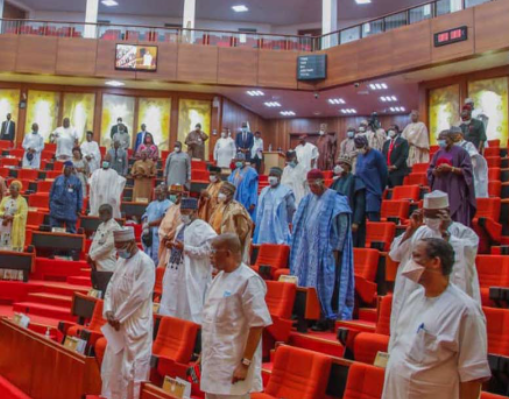
BREAKING: APC bloodbath rocks Nigeria as governors seize Senate tickets and political titans suffer humiliating collapse ahead of 2027 war
 Uchechi Okporie
May 20, 2026
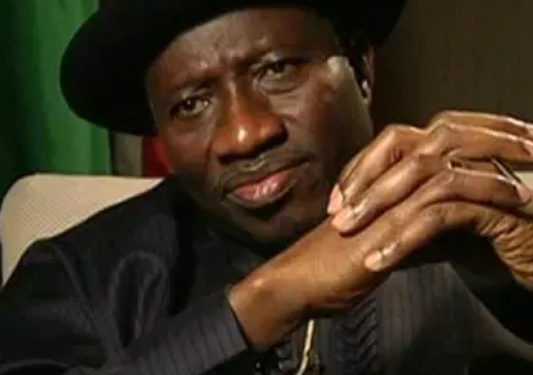
BREAKING: Jonathan Secures Historic PDP Waiver as Turaki Power Bloc Unifies Behind Him, Clearing Path to Near-Uncontested 2027 Presidential Run
Uchechi Okporie
May 19, 2026
Tension Rises as APC Headquarters Disowns Purported Senatorial Primary Results, Says Unauthorized Announcement Violates NWC Directive
Uchechi Okporie
May 19, 2026
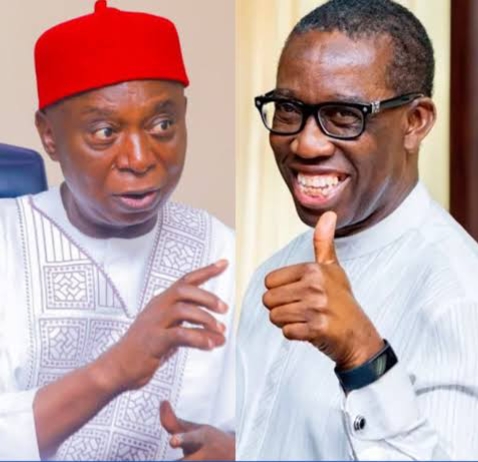
Delta APC Primary Crisis Deepens as Ned Nwoko's Camp Demands Okowa’s Disqualification Over Violation of NWC Directives
Uchechi Okporie
May 19, 2026
BREAKING: Fierce Delta North APC battle deepens as Ned Nwoko declares commanding primary victory, dismisses fake results and renews Anioma State mission
Uchechi Okporie
May 17, 2026
Deadly Chaos Erupts Inside Nigeria’s Ruling Party as APC Primary Election Violence Claims Life in Plateau, Raising Fresh Fears Ahead of 2027 Power Battle
Uchechi Okporie
May 17, 2026
BREAKING: Diaspora Group Erupts Over “Disrespect” to Goodluck Jonathan, Fires Warning at VeryDarkMan Amid 2027 Political Tension
Uchechi Okporie
May 18, 2026
Breaking News: Nigeria’s ruling APC throws 47 senatorial aspirants out of 2027 race in dramatic political crackdown
Uchechi Okporie
May 17, 2026
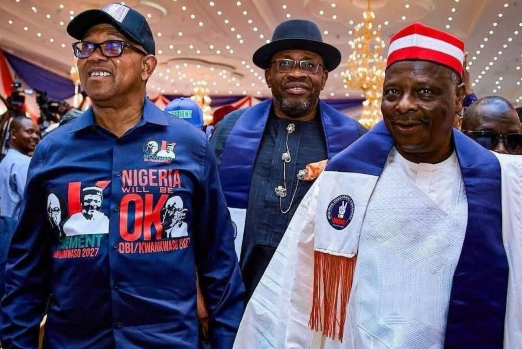
Breaking: Political Earthquake Brewing in Nigeria as Obidient and Kwankwasiyya Forces Raise Massive ₦60 Million Campaign War Chest Ahead of Explosive 2027 Power Battle
Uchechi Okporie
May 21, 2026
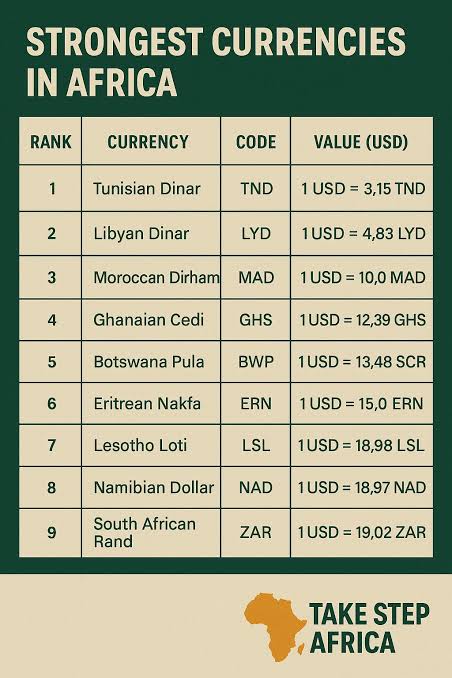
Explainer: Why African Currencies Keep Losing Value Against The Dollar
Admin User
May 18, 2026
BREAKING news: APC primaries explode in Nigeria as political giants collapse, 50 sitting lawmakers wiped out in unprecedented ticket shock
Uchechi Okporie
Latest Stories

May 23, 2026
Wembley Heartbreak! Hull City Stun Middlesbrough With Last-Gasp Winner to Complete Premier League Return
Uchechi Okporie
May 23, 2026
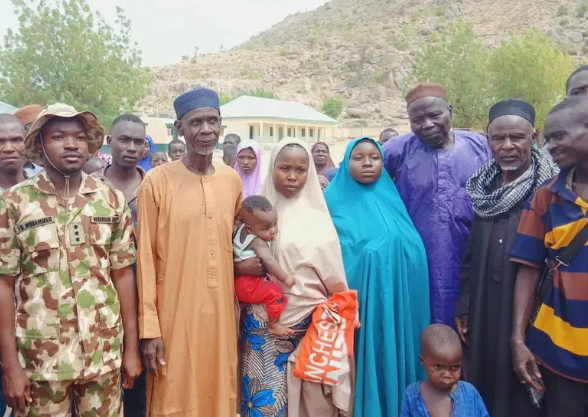
Terror in Nigeria’s Northeast Deepens as Troops Hunt Down Boko Haram Fighters, Rescue Kidnapped Women and Children From Borno Hideouts
Uchechi Okporie
May 23, 2026
From Brothers-in-Struggle to Rivals-in-Power: How Senegal’s President Diomaye Faye and PM Sonko Fell Apart
Admin User
May 23, 2026
BREAKING: Opposition Figure Warns APC’s Dominance Threatens Nigeria’s Democracy
Chineye Egesi
May 23, 2026
Presidential Race Heats Up: PRP Clears Donald Duke, Two Others for Primaries
Chineye Egesi
May 23, 2026
‘Democracy at a High Level’: Tinubu Hails APC Primaries as Grassroots Success
Chineye Egesi
May 23, 2026
“Evacuate Now: Israel Issues Urgent Strike Warning for 10 Lebanese Villages”
Chineye Egesi
May 23, 2026
From Harvest to Hunger: Climate Chaos Wipes Out Nigerian Farms as Food Crisis Deepens Across Ogun, Oyo and Lagos
Uchechi Okporie
May 23, 2026
Trump Shakes Up U.S. Immigration: Nigerians Must Now Return Home to Apply for Green Cards
Chineye Egesi
May 23, 2026
Katsina APC Declares Unflinching Support for Tinubu’s 2027 Re-election, Says Gov Radda
Chineye Egesi
May 23, 2026
Delta Is Dying While Politicians Feast, UK-Based Scholar Declares War on Failed Leadership After Emerging ADC Guber Candidate
Uchechi Okporie