Why Delta South Needs Tested Leadership Now: The Emerging Case for Itiako Ikpokpo
 Uchechi Okporie
Apr 02, 2026
3 min read
Uchechi Okporie
Apr 02, 2026
3 min read
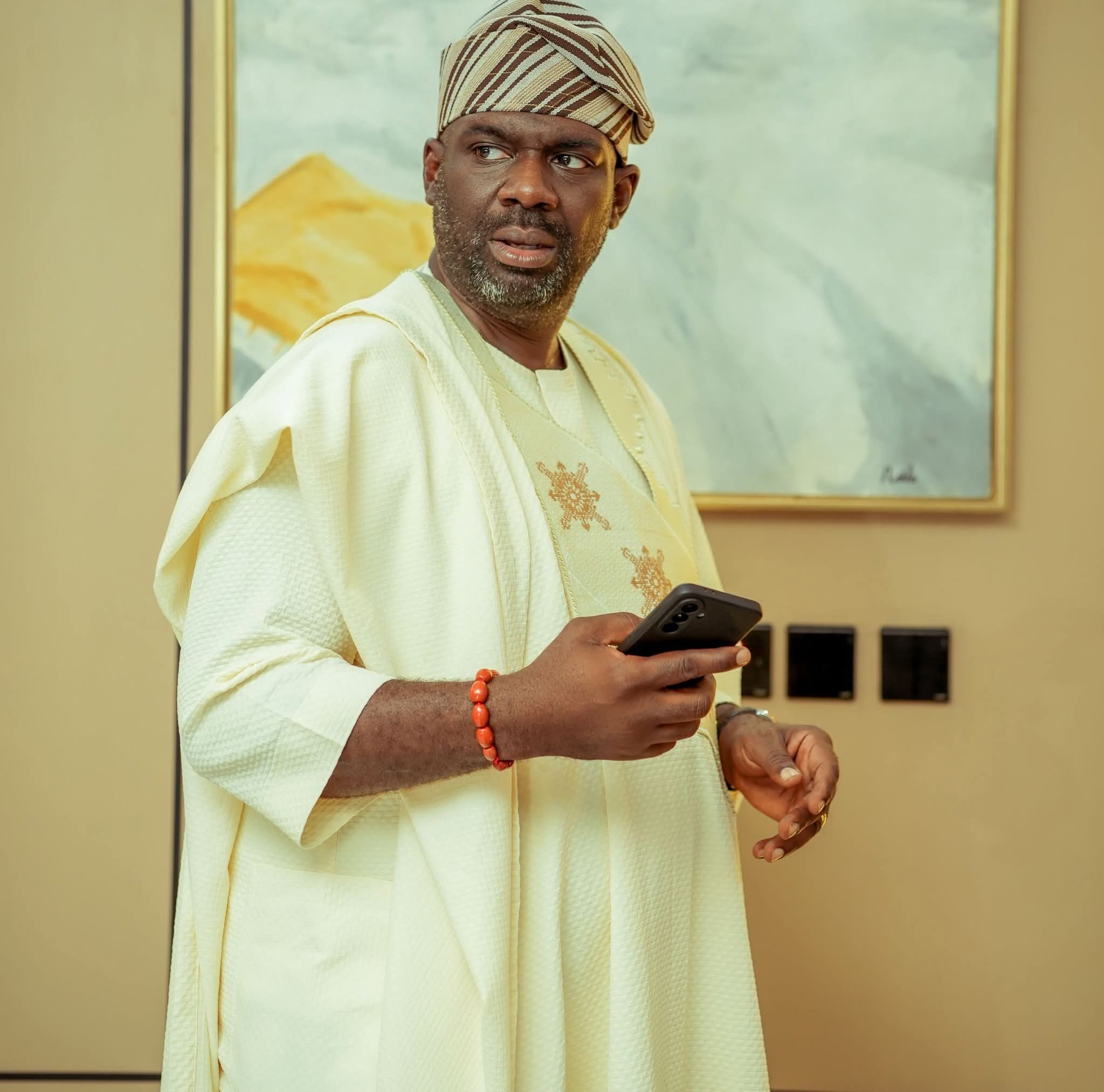
As political activities gradually gather momentum ahead of the 2026 party primaries and the 2027 general elections, conversations across Delta South Senatorial District are beginning to take a more serious tone.
Beyond routine declarations, stakeholders are increasingly focused on a deeper question: who possesses the experience, clarity, and capacity to deliver effective representation at the Senate?
Delta South is a uniquely complex district, defined by its diversity, Isoko, Itsekiri, Ijaw, and Urhobo, each with distinct political expectations and cultural identities.
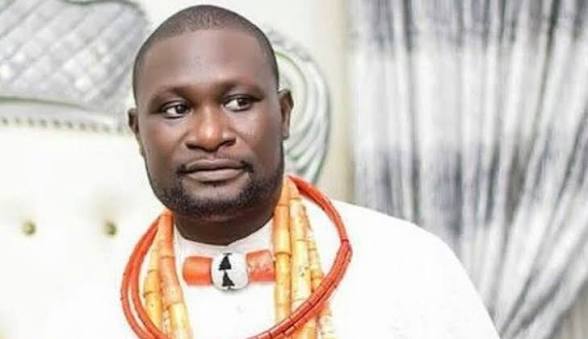
In such a setting, representation must go beyond presence; it must be deliberate, inclusive, and responsive. It is within this context that the leadership profile of Itiako Ikpokpo (Malik) is beginning to attract wider attention.
While he may not dominate the loudest political conversations, his record suggests a leadership approach anchored on structure, engagement, and results. Observers point to his tenure as Chairman of Isoko South Local Government Area as a critical foundation, one that tested not just his administrative ability, but his capacity to manage real-life challenges at the grassroots.
Governance at the local level offers no hiding place. It is where leadership is measured daily, through accessibility, responsiveness, and decision-making under pressure. During his time in office, Ikpokpo operated within financial constraints, administrative limitations, and recurring communal tensions. Yet, he demonstrated a pattern of leadership that many now describe as disciplined and deliberate.
One of the defining elements of his administration was his commitment to communication. He maintained consistent engagement with stakeholders, traditional rulers, community leaders, and political actors, ensuring that governance was not detached from the people.
This emphasis on staying connected reflects one of the core pillars of what is now emerging as his broader leadership philosophy. Equally significant was his role in conflict resolution, where his leadership extended beyond routine administration into active peace-building.
From the Igbide–Emede dispute to the Iyede–Enwhe boundary tensions and the Ozoro–Oleh concerns, he approached crises with consultation, firmness, and a clear insistence on truth. His ability to bring opposing parties to the table reinforced a reputation for fairness and balance.
Beyond his immediate jurisdiction, Ikpokpo’s leadership evolved through his role as Chairman of the Association of Local Governments of Nigeria (ALGON) in Delta State. In that position, he was required to coordinate across councils, engage the state government, and represent collective interests.
This experience expanded his operational scope and strengthened his capacity to function within a broader governance framework.
It is within this progression that his emphasis on legislation becomes increasingly relevant. While his previous roles were executive in nature, his exposure to policy coordination, fiscal negotiations, and intergovernmental engagement has positioned him to understand the legislative demands of representation at the national level. Equally significant is his record in managing limited resources.
Related Posts
Elumelu Flogs Okolie at APC House of Reps Primaries as Asaba People Vote Against Their Brother
The political career of Hon. Ngozi Okolie may have suffered its biggest blow yet after for...
Breaking: Political Earthquake in Nigeria as Benue APC Clears Only 11 of 50 Aspirants, Triggering Outrage, Power Struggles and Fresh Election Tensions
Nigeria’s ruling All Progressives Congress (APC) has plunged into fresh controversy after...
Africa’s richest man Aliko Dangote breaks silence on why he abandoned Arsenal takeover bid as Premier League ownership race reaches new heights
Nigerian billionaire industrialist Aliko Dangote has finally explained why he decided agai...
Obi insists on four-year tenure as presidency questions his credibility
Former presidential candidate and prominent opposition figure has reaffirmed his vow to se...
At a time when many local governments struggled with severe financial constraints, including challenges in meeting salary obligations, his administration introduced reforms aimed at strengthening internally generated revenue, plugging leakages, and enhancing transparency.
Though not necessarily headline-grabbing, these measures were foundational to sustaining governance during a difficult fiscal period, with impacts that have endured beyond his tenure.
Another notable aspect of his leadership is his ability to foster unity. In a political environment often defined by division, Ikpokpo demonstrated a capacity to engage across party lines and social divides. His leadership style encouraged inclusion rather than exclusion, making him acceptable to a broader spectrum of stakeholders beyond his immediate political base.
This ability to unify is particularly relevant in Delta South, where political success often depends on bridging ethnic and political interests. His consistent engagement with traditional institutions further reinforced this approach, strengthening trust and enhancing legitimacy at the grassroots.
. In addition, his governance approach reflected a commitment to empowerment, particularly through initiatives that supported communities within available resources. While not always amplified in the media, these efforts contributed to social stability and local economic participation, reinforcing the idea that leadership must tra
nslate into tangible impact.
Taken together, these elements, communication, legislative readiness, unity, and empowerment, are now being framed within a broader conceptual lens captured in the acronym C.L.U.E. For observers, this is more than a slogan; it is an attempt to define a leadership model that aligns with current expectations of representation.
As Delta South moves closer to another electoral cycle, the nature of political evaluation is also changing. The electorate and party stakeholders are no longer satisfied with visibility alone; they are increasingly demanding effectiveness. Representation is now being measured by how well leaders connect, act, unify, and deliver.
In that evolving conversation, Itiako Ikpokpo (Malik) is gradually being positioned as a figure whose experience reflects these expectations. His journey from grassroots governance to broader institutional engagement suggests a readiness that extends beyond local boundaries.
Ultimately, representation in Delta South is moving beyond rhetoric to a clear demand for tested capacity and purposeful leadership. As the political process unfolds, the focus is increasingly on individuals who have demonstrated the ability to lead, unify, and deliver under pressure. In that context, Itiako Ikpokpo (Malik)stands out as a leader whose experience and track record point clearly to a readiness for effective representation at the Senate.
Emmanuel O. Enebeli, FCISM, MNIPR, is a Public Relations Consultant, enebelli@hotmail.com
Related Posts
Uchechi Okporie
May 14, 2026
From Nairobi to Kigali: What Tinubu Discussed with Rwanda President will Benefit Nigerians
Nigerian President Bola Ahmed Tinubu has renewed calls for deeper economic integration across Africa, emphasizing trade, investment, infrastructure, and digital commerce as the continent’s pathway to sustainable prosperity.
Uchechi Okporie
May 12, 2026
Stop Running to South Africa, Hold Your Corrupt, Dictatorial Govt Accountable - South African Citizen Tells Nigerians
A South African citizen, Shimane Samuel Moeketsi, has stirred widespread debate on social media after making strong remarks directed at African migrants, particularly Nigerians, urging them to remain in their home countries and hold political leaders accountable rather than relocating to South Africa.
Uchechi Okporie
May 12, 2026
Ned Nwoko Deserves Anioma Support for Second Term - Indigene of Ika North East Says
The Director-General of the Senator Ned Nwoko Campaign Council, Hon. Samuel Ekene Kerry, has declared that Distinguished Senator Ned Nwoko has performed creditably well to deserve overwhelming support for a second term in the Senate.
Uchechi Okporie
May 11, 2026
JAMB Sets Minimum Score for 2026 University Admissions
The Joint Admissions and Matriculation Board (JAMB) and key stakeholders in Nigeria’s tertiary education sector have approved 150 as the minimum admission benchmark for universities for the 2025 admission exercise.
Uchechi Okporie
May 11, 2026
Obi celebrates Osimhen after Nigerian striker powers Galatasaray to Turkish league triumph
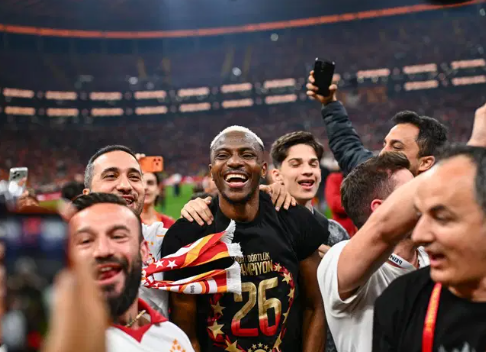
Former Nigerian presidential candidate Peter Obi has praised Victor Osimhen following the striker’s outstanding role in helping Galatasaray clinch the Turkish league title, in a victory that has further elevated Nigeria’s influence in global football.
Uchechi Okporie
May 11, 2026
History About to Happen!! Delta Councilor Seeking Reps Seat Passes APC Screening in Abuja
Victor Chukwuemeke, popularly known as “Mr. Due Process,” has recorded a significant milestone in his political career after successfully scaling the screening exercise conducted by the All Progressives Congress (APC) ahead of the 2027 general elections.
Uchechi Okporie
May 10, 2026
Delta2027: I'm Opposed to Emomotimi Guwor, Joel Onowakpo - Ayiri Emami Says, His Reasons Are Explosive
A chieftain of the All Progressives Congress (APC), Chief Ayiri Emami, has disclosed details of his recent discussion with Delta State Governor Sheriff Oborevwori, stating that he openly presented his preferred candidates for key legislative positions ahead of the 2027 general elections. This is as reported by Big Pen, an online newspaper in Delta State, Nigeria.
Uchechi Okporie
May 09, 2026
Six Nigerian Governors Declare Interest to Run for Senate
Six sitting governors have declared their interest in contesting senatorial seats ahead of the 2027 general elections. Reports indicate that five of the eight governors elected on the platform of the All Progressives Congress (APC) and due to complete their second terms in May 2027 have officially entered the Senate race.
Trending
May 14, 2026
Assasinate Donald Trump, Get €50m Reward, Iran Parliament Makes Big Offer to Sympathisers
Uchechi Okporie
May 16, 2026
BREAKING: Political Shockwaves Across Nigeria as 30-Year-Old Kaduna Aspirant Withdraws From Parliament Race Amid Explosive Age Eligibility Crisis
Uchechi Okporie

May 12, 2026
BREAKING: UK Minister Davis-Jones Resigns, Check Her Reasons
Uchechi Okporie
May 12, 2026
Stop Running to South Africa, Hold Your Corrupt, Dictatorial Govt Accountable - South African Citizen Tells Nigerians
Uchechi Okporie
May 12, 2026
Atiku rejects southern presidency push, warns Nigeria’s opposition against political division ahead of 2027
Uchechi Okporie
May 12, 2026
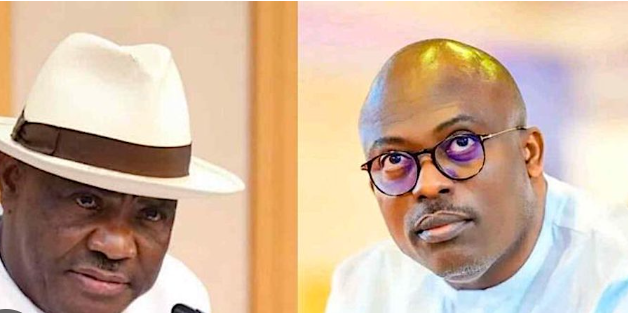
Wike–Fubara power struggle shakes Nigeria’s Rivers State ahead of 2027 elections
Uchechi Okporie

May 17, 2026
Deadly Chaos Erupts Inside Nigeria’s Ruling Party as APC Primary Election Violence Claims Life in Plateau, Raising Fresh Fears Ahead of 2027 Power Battle
Uchechi Okporie
May 12, 2026
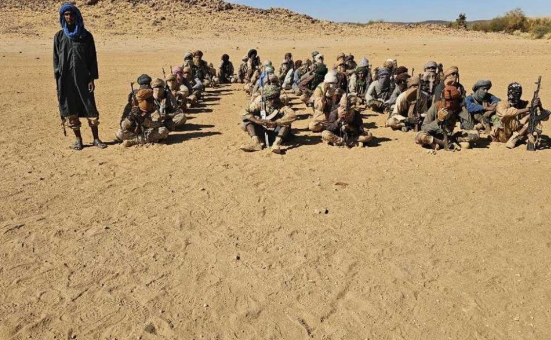
Nigeria’s Quran Oath Strategy for Reformed Terrorists Draws Global Attention as Africa Battles Extremism
Uchechi Okporie
May 17, 2026
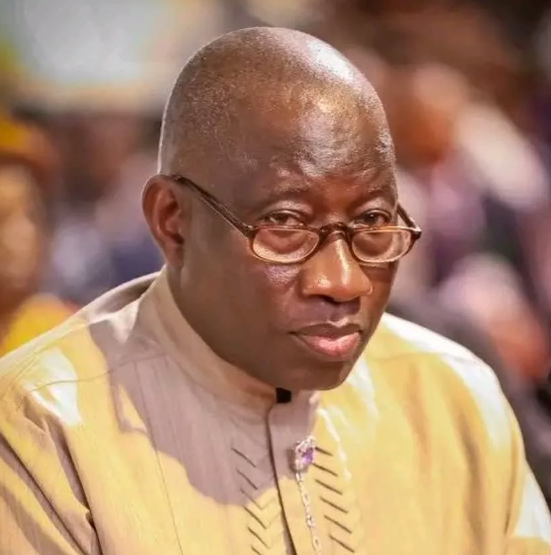
BREAKING: Diaspora Group Erupts Over “Disrespect” to Goodluck Jonathan, Fires Warning at VeryDarkMan Amid 2027 Political Tension
Uchechi Okporie
May 16, 2026
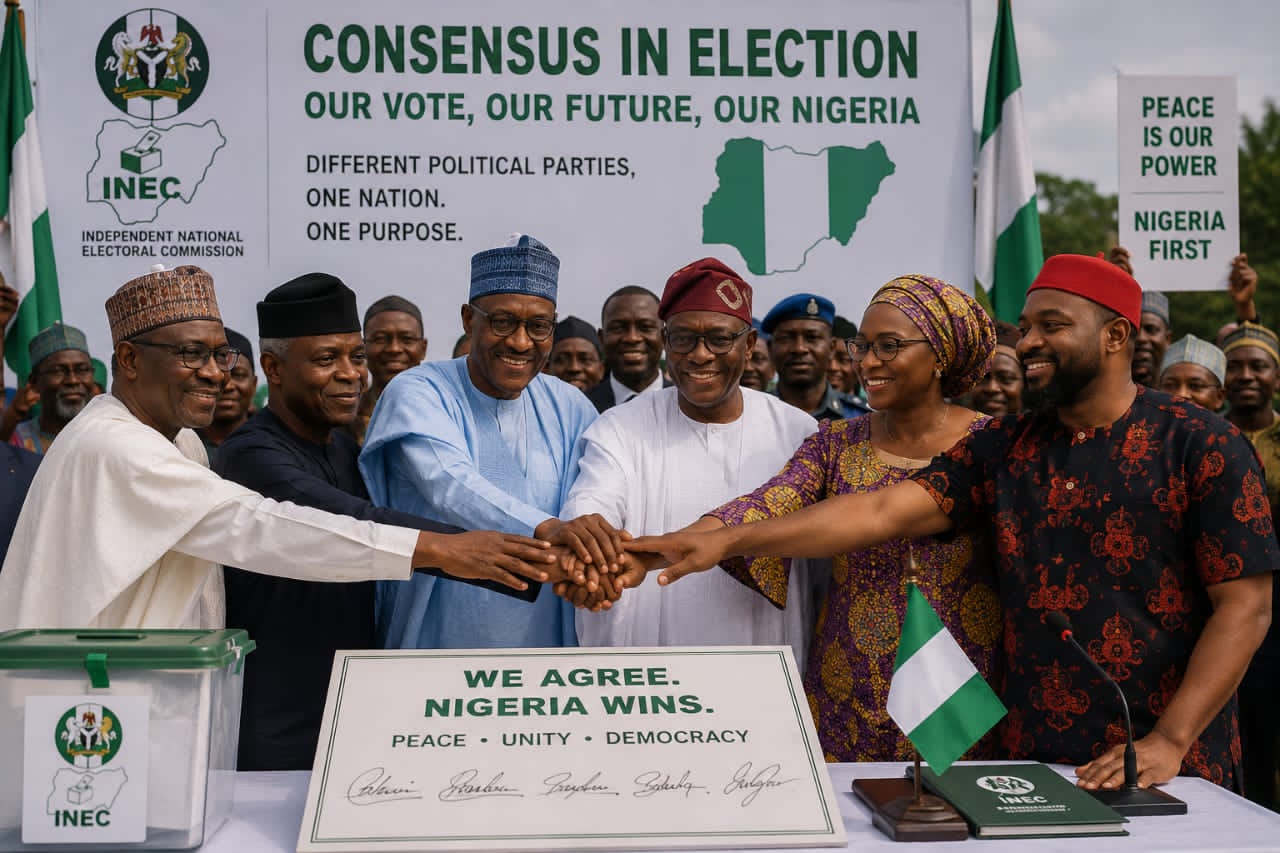
Nigeria’s South-South Political Rift Deepens as Fierce Battle Over “Consensus” Threatens Regional Unity Ahead of 2027 Elections
Uchechi Okporie

May 13, 2026
SO SAD!! Former Reps Member Dies in Kidnappers Den
Uchechi Okporie
Latest Stories
May 18, 2026
APC Aspirant Rejects Ondo Rep Primary Result, Alleges Irregularities and Manipulation
Chineye Egesi
May 18, 2026
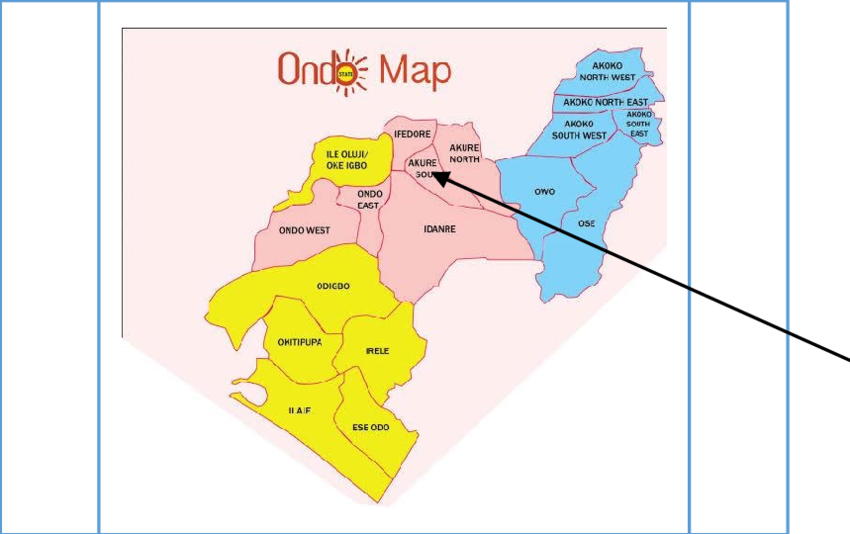
Chaos in Akure: Thugs Storm APC Secretariat, Disrupt Ondo Reps Primary Collation
Chineye Egesi

May 18, 2026
APC Overturns Plateau Reps Primary, Hands Victory to Gagdi After ‘Unauthorised’ Result
Chineye Egesi
May 18, 2026
APC Shocks 46 Senatorial Hopefuls, Including Ben Murray-Bruce, Ahead of 2027 Primaries
Chineye Egesi
May 18, 2026
The Law Will Apply to All — Zambia President Issues Strong Warning as Elections Campaign Begins
Uchechi Okporie

May 18, 2026
Medeama shock Ghana as they grab 2025/26 league title in fierce race
Uchechi Okporie
May 18, 2026
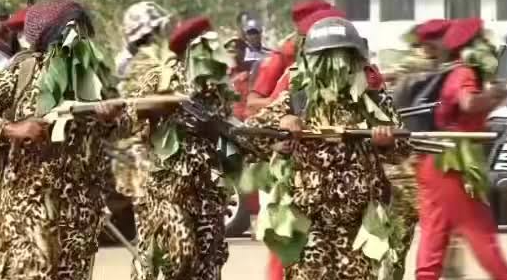
West Africa security crisis deepens as Amotekun launches forest manhunt to rescue 45 abducted Oyo schoolchildren
Uchechi Okporie

May 18, 2026
Griezmann Breaks Silence on Barcelona Betrayal, Begs Atletico Fans for Forgiveness in Emotional Farewell
Uchechi Okporie
May 18, 2026
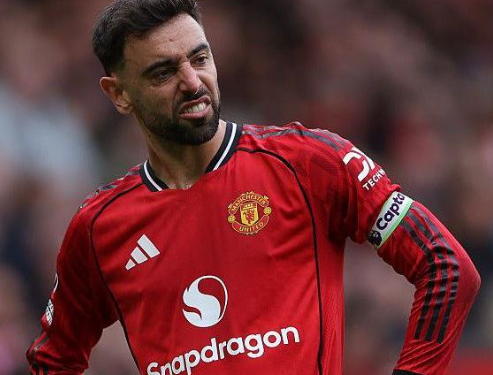
Bruno Fernandes Equals Historic EPL Assist Record as Manchester United Humiliate Nottingham Forest in Ruthless Premier League Showdown
Uchechi Okporie
May 18, 2026
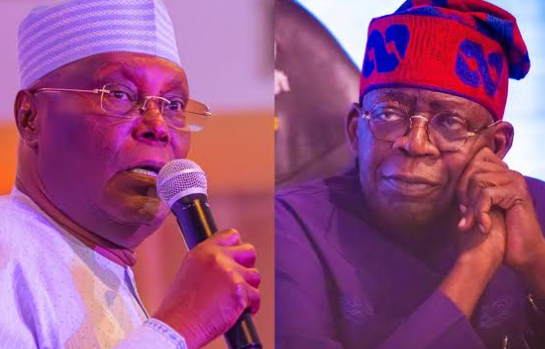
Atiku Sounds Global Alarm Over Tinubu’s ‘Borrowing Addiction,’ Says Nigeria Is Being Dragged Toward Economic Collapse
Uchechi Okporie

May 18, 2026
Fresh Political Storm Hits Nigeria’s Ruling APC as Women and Youths Warn Against Alleged Manipulation of Primary Election Results
Uchechi Okporie