‘You Come Back With an Accent’: Mahama’s Lighthearted Jab at Diaspora Affectation Strikes a Pan-African Chord
 Uchechi Okporie
Mar 28, 2026
3 min read
Uchechi Okporie
Mar 28, 2026
3 min read
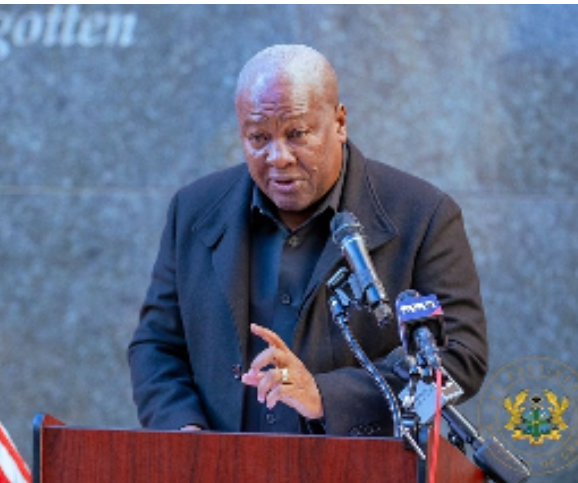
In a moment that has sparked laughter, recognition, and a touch of self-reflection across the continent, former Ghanaian president John Dramani Mahama has gently sent up a familiar African phenomenon: the sudden “international accent” acquired after a short trip overseas.
During a recent public event, Mahama known for his oratory flair mimicked the way some Ghanaians return from a few weeks or months abroad speaking with a carefully curated British or American inflection, only to slip back into their native tongue once the audience changes.
“You go for three months, you come back and you’ve lost your accent,” he quipped, drawing roars of approval from the crowd.
His playful demonstration captured a cultural truth that resonates far beyond Ghana from Nairobi to London, from Johannesburg to New York.
For many in the African diaspora and on the continent, the performance was more than comedy.
It highlighted a recurring conversation about authenticity, belonging, and the subtle pressures to code-switch in transnational spaces.
Related Posts
South Africa's Dangerous Mistake: Why turning against fellow Africans a betrayal of the continent's struggle
For decades, South Africa stood as a symbol of African resistance, dignity and liberation....
Ghana resets wages: Mahama launches bold public sector pay overhaul and labour reforms
In a move set to ripple across Africa’s economic landscape, John Dramani Mahama has unveil...
Ghana can shock England, Ahinful warns
Former Ghana international Augustine Ahinful has sparked discussion in football circles af...
BREAKING: Ghana’s Zanetor Agyeman-Rawlings Lands Top Pan-African Parliament Role, Signaling New Era of Youthful African Leadership
A major political shift is unfolding across the continent as Zanetor Agyeman-Rawlings, a r...
Mahama’s mimicry, delivered with the ease of a seasoned politician, turned a lighthearted moment into a shared cultural touchpoint.
Social media users across West Africa and beyond quickly shared clips, with many tagging friends who had “come back with the accent.”
Others noted that the former president himself a frequent traveler managed to deliver the joke without malice, instead inviting Africans everywhere to laugh at a habit many recognize in themselves or their relatives.
The moment also quietly underscored a deeper theme: the tension between global mobility and rooted identity.
As more young Africans travel, study, and work across borders, the question of how or whether to adapt one’s speech remains a familiar part of the homecoming experience.
Mahama’s jest, in the end, was not about shaming those who return with new ways of speaking, but about holding up a mirror to a continent in motion and finding humour in the small ways we all navigate multiple worlds.
Related Posts
Uchechi Okporie
Apr 30, 2026
Ashanti Political Firestorm: NDC Women’s Boss Drops Bombshell Allegations Against Ejisu MCE
A fresh political explosion has rocked Ghana’s powerful Ashanti region after a leading figure in the National Democratic Congress (NDC) unleashed a wave of shocking allegations against the Ejisu Municipal Chief Executive (MCE), sparking outrage, denial, and a rapidly escalating war of words.
Uchechi Okporie
Apr 30, 2026
Ashanti remark ignites global concern over unity in Ghana as political rhetoric sparks backlash
A wave of outrage has swept across Ghana after a communicator affiliated with the New Patriotic Party claimed the country “belongs to Ashantis,” triggering intense debate over ethnicity, nationalism and political responsibility.
Uchechi Okporie
Apr 29, 2026
Ghana pushes historic female candidate to global maritime court
Ghana is making a bold statement on the global legal stage as Attorney-General Dr. Dominic Ayine throws his full support behind Sylvia Adusu, the first Ghanaian woman nominated to the International Tribunal for the Law of the Sea.
Uchechi Okporie
Apr 27, 2026
From Brothers to Burdens: Why Nigerians Are No Longer Welcome in South Africa, Ghana - The Sad Story
Across parts of Africa, a troubling pattern has emerged: periodic waves of hostility directed at Nigerians living and working in other African countries. In South Africa, it has manifested in violent xenophobic attacks; in Ghana, tensions have surfaced through business closures and regulatory crackdowns. The rhetoric is familiar—“they should go back home.” But beneath that language lies a far more complex and uncomfortable reality than simple dislike of a nationality. This moment is not just about Nigerians; it is about economics, identity, governance failure, and the unfinished project of African unity.
Uchechi Okporie
Apr 26, 2026
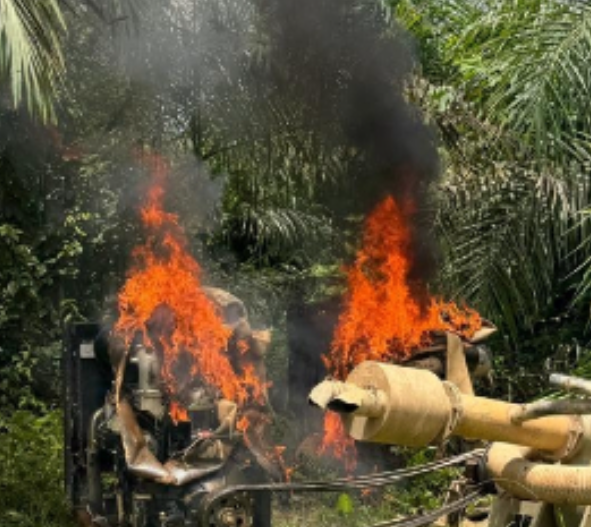
BREAKING: Ghana Forces Storm Illegal Mining Stronghold, Destroy Excavators in Major Anti-Galamsey Crackdown
Ghana has escalated its battle against illegal mining after the National Anti-Illegal Mining Operations Secretariat (NAiMOS) carried out a major raid on an illegal mining hub at Hotopo in the Ahanta West District of the Western Region.
Uchechi Okporie
Apr 25, 2026
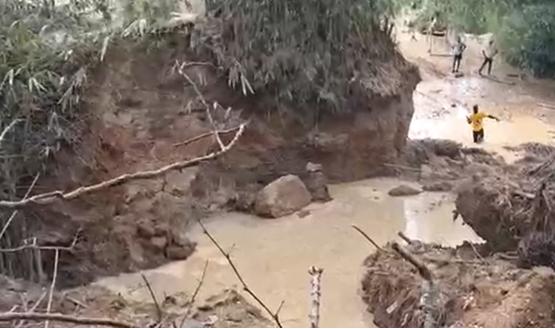
Illegal Gold Mine Horror in Ghana :Two Killed, One Fighting for Life After Pit Collapse Shocks Africa
A tragic mining disaster has struck Ghana after an illegal mining pit, linked to the country’s growing galamsey crisis, collapsed in Assin North, leaving two people dead and another critically injured.
Uchechi Okporie
Apr 23, 2026
BREAKING: Ghana Mourns Former Police Chief Paul Tawiah Quaye as Africa Pays Tribute to a Security Statesman
Ghana is in mourning following the death of former Inspector-General of Police, Paul Tawiah Quaye, a respected security leader whose service left a lasting mark on the nation’s law enforcement system.

Uchechi Okporie
Apr 22, 2026
Ghana Murder Probe Grips Nation as Police Reveal Major Breakthrough in Case Linked to Top Government Official’s Family
Authorities in Ghana have announced fresh developments in a high-profile murder investigation involving the father-in-law of Sammy Gyamfi, drawing nationwide attention and renewed debate over security and justice.
Trending
May 10, 2026
Delta2027: I'm Opposed to Emomotimi Guwor, Joel Onowakpo - Ayiri Emami Says, His Reasons Are Explosive
Uchechi Okporie
May 06, 2026
Senate Shutdown, Sitting Disrupted as Akpabio, Oshiomhole Engage in Heated Confrontation
Uchechi Okporie
May 11, 2026
From Defense Chiefs to Convicts: China Sentences Ex-Ministers to Death in Explosive Corruption Probe
Uchechi Okporie

May 08, 2026
President Sacks Army Chief, Finance Minister
Uchechi Okporie
May 10, 2026
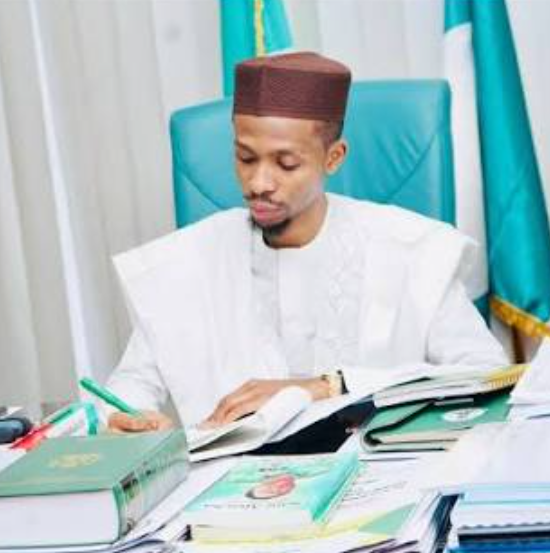
Nigeria’s political future in spotlight, as 30-year-old APC hopeful goes viral during parliamentary screening
Uchechi Okporie
May 06, 2026
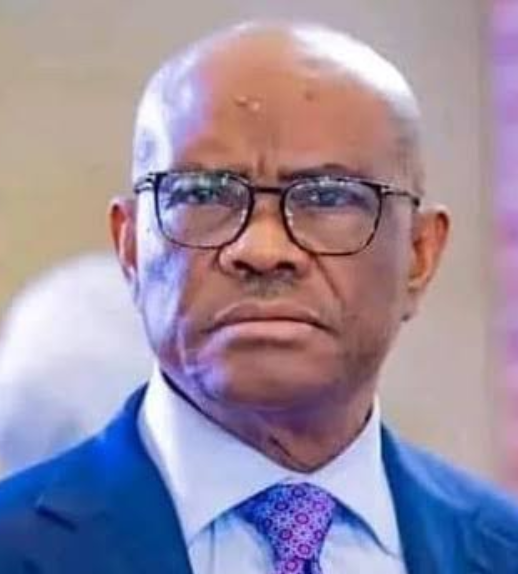
PDP Power War Deepens: Wike issues fiery ultimatum to Turaki faction ‘Open secretariat account or I’ll shut it down’
Uchechi Okporie
May 06, 2026
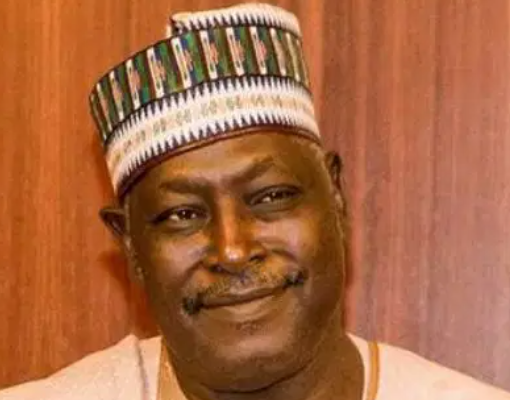
Political earthquake: Babachir Lawal claims Peter Obi never fully committed to ADC alliance
Uchechi Okporie
May 08, 2026
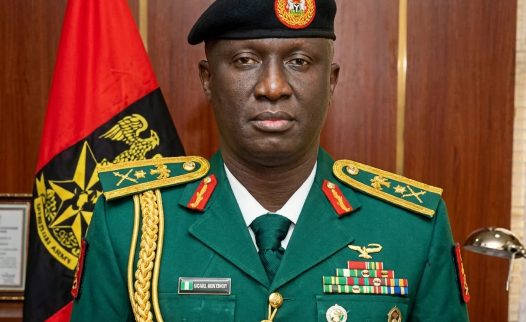
Nigeria’s military crackdown on social media sparks fears of rising digital warfare and national security threats across Africa
Uchechi Okporie
May 07, 2026
El-Rufai’s son exits APC as three lawmakers defect in fresh political realignment
Uchechi Okporie

May 06, 2026
Dangote Refinery Raises Petrol Price to ₦1,350 per Litre Amid Market Pressures
Chineye Egesi
May 06, 2026
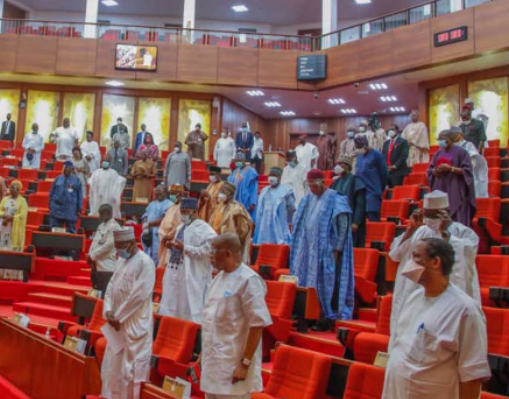
2027: Only Senators Who Served in 9th and 10th Senate Qualify for Senate Leadership - Amended Rule Says
Uchechi Okporie
Latest Stories
May 12, 2026
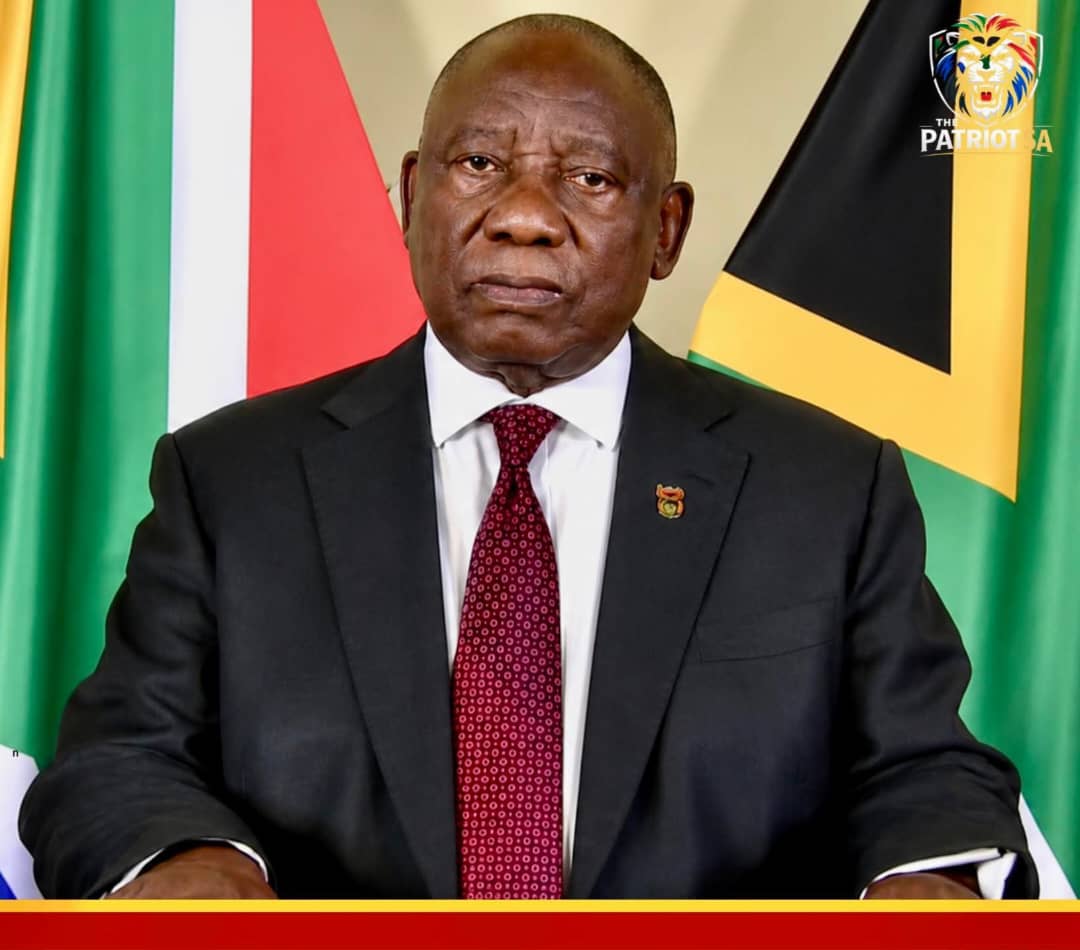
I'll Not Resign, South African President Declares As Court Demands Renewed Investigation into Financial Scandal
Uchechi Okporie
May 12, 2026
Stop Running to South Africa, Hold Your Corrupt, Dictatorial Govt Accountable - South African Citizen Tells Nigerians
Uchechi Okporie
May 12, 2026
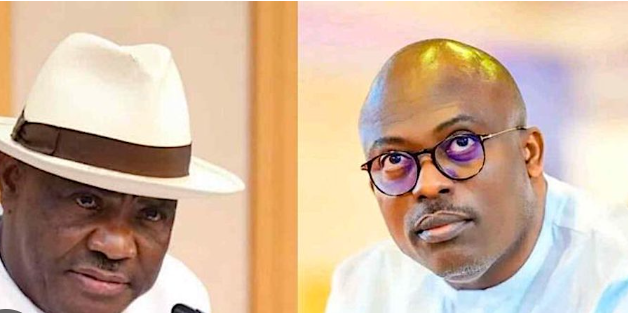
Wike–Fubara power struggle shakes Nigeria’s Rivers State ahead of 2027 elections
Uchechi Okporie

May 12, 2026
Despite Tight Security, 19-Year-Old Busts Uganda Central Bank, Steal 7 High-End Laptops
Chineye Egesi
May 12, 2026
This Nigerian APC State Screened 158 Aspirants for 24 House of Assembly Seats
Chineye Egesi
May 12, 2026
Xenophobic: President Ramaphosa Says Undocumented Migration Straining Jobs, Public Services in South Africa
Chineye Egesi
May 12, 2026
Ned Nwoko Deserves Anioma Support for Second Term - Indigene of Ika North East Says
Uchechi Okporie
May 11, 2026
South Africa enters new political crisis as Ramaphosa refuses to quit
Uchechi Okporie
May 11, 2026
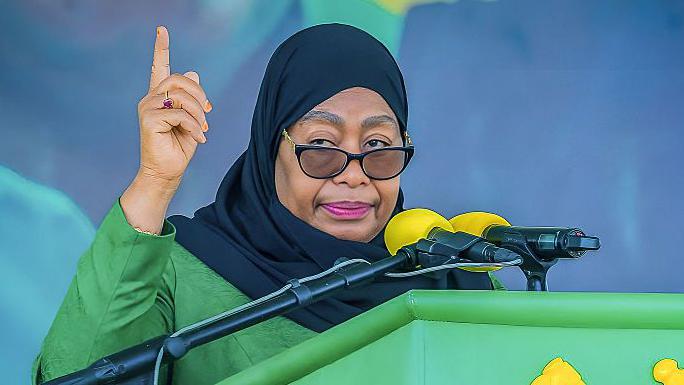
Tanzania: European Election Rights Investigation Faces Setback As President Suluhu Reportedly Blocks EU Delegation
Chineye Egesi

May 11, 2026
Supporters Hail Senator Natasha as She Submits PDP Nomination Form for 2027 Election
Chineye Egesi

May 11, 2026
Convener of March and March Movement in South Africa Fires Back at Ramaphosa As Immigration Debate Divides Residents
Chineye Egesi