OPINION: Why Colonialism Remains Africa’s Unfinished Battle
 Uchechi Okporie
May 14, 2026
3 min read
Uchechi Okporie
May 14, 2026
3 min read
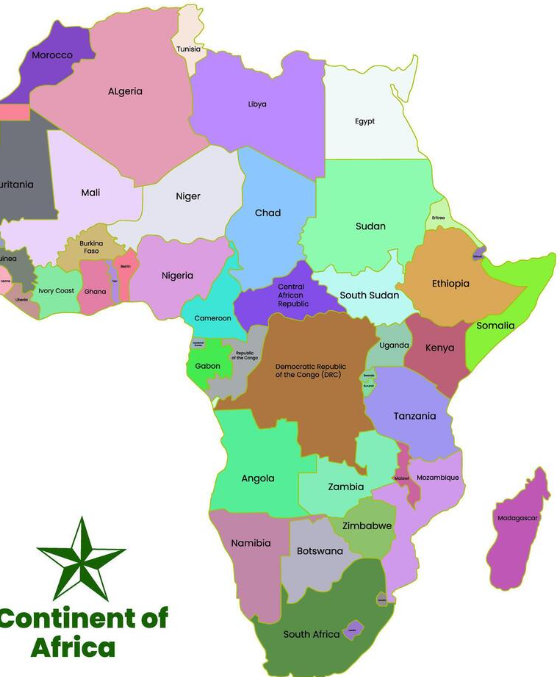
The history of Africa cannot be discussed honestly without confronting the enduring burden of colonialism. For centuries, European powers entered the continent not as partners in development, but as conquerors, exploiters, and architects of political domination. Although most African nations achieved formal independence during the twentieth century, the structures established by colonial masters continue to shape the continent’s politics, economies, education systems, and global image.
The consequences are neither accidental nor temporary. They remain embedded in the foundations of many African states. Colonialism in Africa was fundamentally an economic project. European empires, including United Kingdom, France, Belgium, Portugal, and Germany, partitioned Africa during the nineteenth century, especially after the Berlin Conference. African territories were divided with little regard for ethnic, cultural, or historical realities. Borders were drawn to satisfy European strategic interests, not African stability. The result was the creation of fragile states containing rival ethnic groups forced into artificial political unions. Many of today’s conflicts in countries such as Nigeria, Sudan, and Democratic Republic of the Congo can be traced partly to these colonial arrangements.
Economically, colonial systems were designed to extract wealth rather than build self-sustaining societies. Railways, ports, and roads were constructed primarily to transport raw materials, gold, cocoa, rubber, palm oil, diamonds, and minerals, from the interior to European markets. African economies became dependent on exporting raw commodities while importing manufactured goods from Europe. This unequal structure created dependency that persists today. Many African nations still rely heavily on single-export economies, leaving them vulnerable to foreign markets and global price fluctuations.
The exploitation of the Democratic Republic of the Congo under King Leopold II remains one of the darkest examples of colonial brutality. Millions of Congolese died through forced labor, starvation, and violence during Belgium’s control of the territory. Similar patterns of exploitation occurred elsewhere across the continent. Colonial administrations extracted labor and resources with little investment in human development. Education systems were limited, healthcare was inadequate, and Africans were systematically excluded from positions of real power.
Another burden left by colonialism is psychological domination. Colonial education frequently portrayed African cultures, religions, and traditions as inferior or primitive. European languages became symbols of intelligence and social advancement, while indigenous languages and knowledge systems were marginalized. This cultural conditioning produced generations of Africans taught to admire Europe while doubting their own heritage. The effects are still visible in governance, education, religion, and social attitudes. In many African countries, fluency in English or French often carries more prestige than mastery of indigenous languages.
Politically, colonial masters cultivated authoritarian governance structures. Most colonial administrations ruled through coercion, centralized authority, and divide-and-rule tactics. After independence, many African leaders inherited these systems and continued governing in similar ways. Weak institutions, military coups, corruption, and ethnic politics flourished partly because colonial governments never intended to prepare Africans for democratic self-rule. Instead, they trained a small elite class loyal to colonial interests.
Related Posts
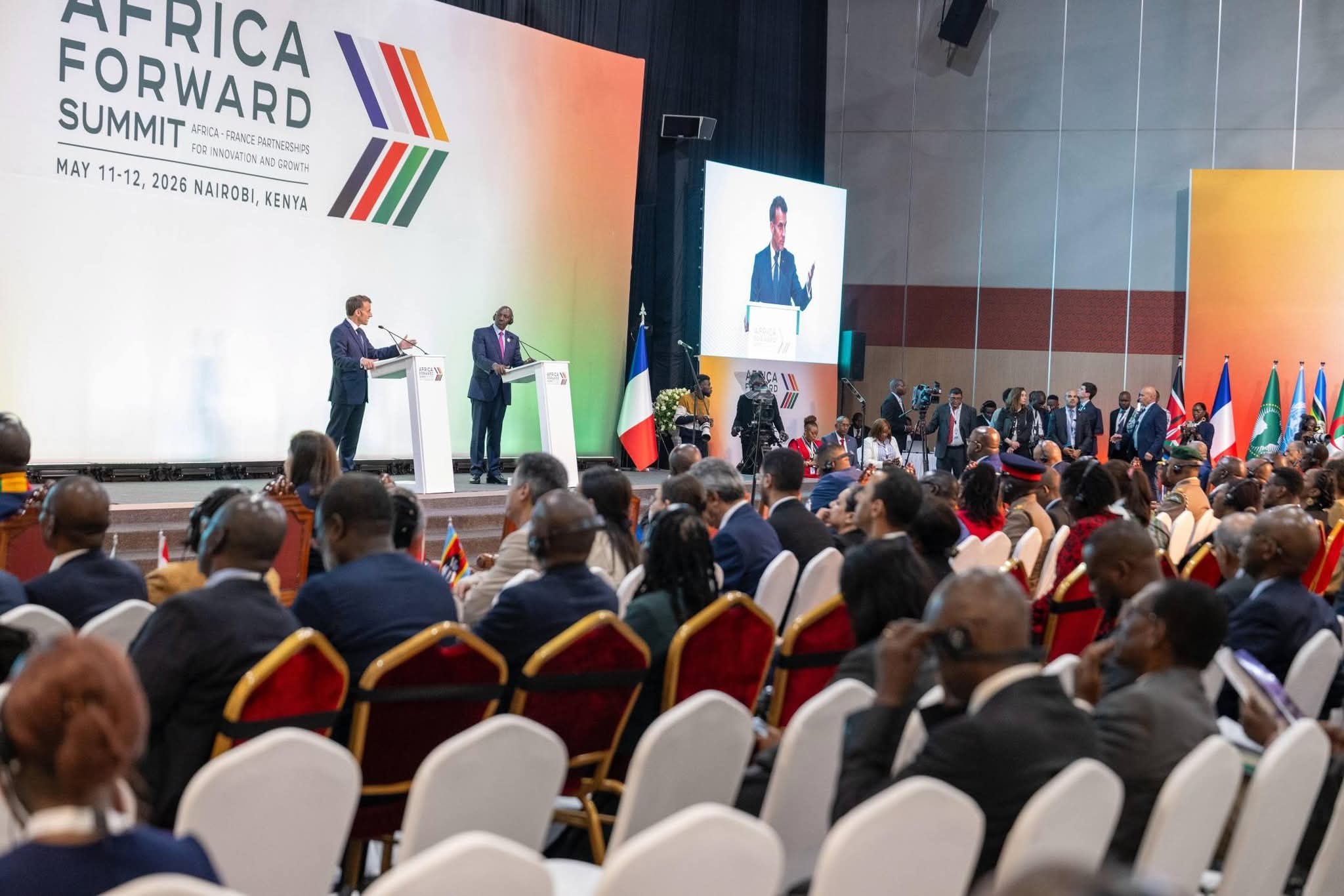
Kenya President Pushes for New Economic Order as African Leaders Gather in Nairobi
At the ongoing Africa Forward Summit in Nairobi, Kenyan President William Ruto has called...
Police arrest another key suspect in abduction of Bayelsà Judge five months after
Operatives of the newly established Inspector General Police(IGP) Violent Crime Response U...
Nigeria’s Non-Oil Export Boom: Nearly $1 Billion in Q1 2026 Signals a New Dawn for African Trade
Africa’s giant is stirring and this time, it’s not crude oil leading the charge. Fresh dat...

Africa’s digital gold rush: How women are turning smartphones into wealth and power
A quiet economic revolution is sweeping across Africa and parts of Asia driven not by gove...
Yet, blaming colonialism alone for Africa’s challenges would be intellectually incomplete. Decades after independence, African leaders also bear responsibility for corruption, poor governance, electoral manipulationc mismanagement. Some post-colonial governments deepened the very systems of exploitation they inherited. Public resources have often been looted by local elites working alongside foreign corporations and international powers. Colonialism laid the foundation, but African leadership failures have sometimes reinforced the damage.
The modern relationship between Africa and former colonial powers has also evolved into what many scholars describe as neo-colonialism. Political independence did not necessarily bring economic sovereignty. International financial institutions, multinational corporations, foreign military influence, and unequal trade agreements continue to shape African economies. Countries rich in natural resources often remain poor because profits are controlled externally while local populations receive limited benefits. Debt dependency and foreign aid have sometimes replaced direct colonial rule as mechanisms of influence.
Nevertheless, Africa is not merely a continent of victims. Across the continent, there is growing intellectual, economic, and cultural resistance to colonial legacies. African scholars, entrepreneurs, artists, and political thinkers are reclaiming indigenous identities and advocating for economic independence. Institutions such as the African Union seek greater continental integration and self-determination. African literature, music, technology, and entrepreneurship increasingly challenge outdated stereotypes imposed during colonial times.
The future of Africa depends not only on criticizing colonial history but also on building institutions capable of overcoming its consequences. Strong governance, educational reform, industrialization, regional cooperation, and cultural confidence are essential for meaningful transformation. Colonialism created deep wounds, but permanent dependence on colonial narratives can itself become another form of bondage. Africa’s burden is therefore twofold: the inherited damage caused by colonial masters and the ongoing struggle to transcend that inheritance.
The continent cannot erase its history, but it can redefine its future. True liberation will not come solely from condemning colonialism; it will come from constructing societies strong enough to ensure that external domination, whether political, economic, or psychological, never again determines Africa’s destiny.
Related Posts
Uchechi Okporie
Apr 30, 2026
Africa’s sky race takes off as airline giants unite to drive tourism boom
Africa’s aviation sector is gaining fresh global momentum as leading carriers, including Ethiopian Airlines, EgyptAir, Royal Air Maroc, Kenya Airways and South African Airways, align with a strategic framework championed by the International Air Transport Association to accelerate tourism growth and reshape air travel across the continent.

Admin User
Apr 29, 2026
Togo unveils new national development roadmap, launches nationwide public consultations
The government of Togo has announced the launch of a new national development roadmap aimed at guiding the country’s economic and social transformation over the coming years.
Admin User
Apr 29, 2026
NASS Members Jittery as Governors Move to Dictate Candidates, Block Rivals, Hijack APC Tickets
The All Progressives Congress (APC) has quietly altered its 2027 election timetable after internal concerns that governors were moving to dominate the nomination process, particularly for National Assembly seats.
Uchechi Okporie
Apr 29, 2026
Fresh Crisis Rocks Nigeria's Opposition Party as Kogi PDP Explodes Over Natasha's Dispute
Fresh tensions have erupted inside Nigeria’s main opposition party, the Peoples Democratic Party (PDP), after a senior party figure openly condemned the Kogi State Elders Council for its reported attack on prominent member Natasha.

Uchechi Okporie
Apr 28, 2026
African Banking Giant FCMB Unveils Responsible AI Strategy, Signaling New Era for Finance Across the Continent
FCMB Group has announced a deliberate and responsible approach to adopting artificial intelligence, positioning itself as one of Africa’s leading financial institutions embracing the future of banking technology.
Uchechi Okporie
Apr 27, 2026
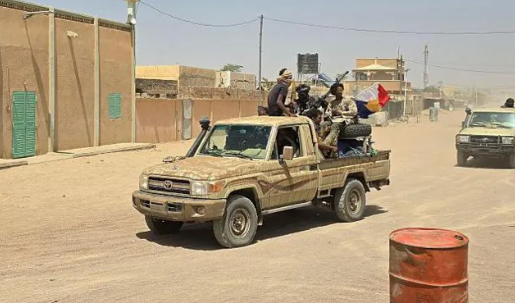
RUSSIA FORCED OUT OF MALI WAR ZONE AS REBELS SEIZE STRATEGIC CITY — SAHEL ON THE EDGE OF FULL BLOWN CHAOS
Russian Africa Corps forces have confirmed they have withdrawn from the northern Malian city of Kidal following coordinated attacks by separatist fighters and Islamist militants.

Uchechi Okporie
Apr 27, 2026
Global Experts Say Strong Protocol Systems Are Transforming Africa’s Public Services and Driving Faster Delivery
Good governance experts have stressed that proper protocol systems are playing a major role in improving efficiency and boosting service delivery across institutions in Africa.

Uchechi Okporie
Apr 27, 2026
From Brothers to Burdens: Why Nigerians Are No Longer Welcome in South Africa, Ghana - The Sad Story
Across parts of Africa, a troubling pattern has emerged: periodic waves of hostility directed at Nigerians living and working in other African countries. In South Africa, it has manifested in violent xenophobic attacks; in Ghana, tensions have surfaced through business closures and regulatory crackdowns. The rhetoric is familiar—“they should go back home.” But beneath that language lies a far more complex and uncomfortable reality than simple dislike of a nationality. This moment is not just about Nigerians; it is about economics, identity, governance failure, and the unfinished project of African unity.
Trending
May 19, 2026
BREAKING: APC bloodbath rocks Nigeria as governors seize Senate tickets and political titans suffer humiliating collapse ahead of 2027 war
Uchechi Okporie
May 19, 2026
Tension Rises as APC Headquarters Disowns Purported Senatorial Primary Results, Says Unauthorized Announcement Violates NWC Directive
Uchechi Okporie
May 16, 2026
BREAKING: Political Shockwaves Across Nigeria as 30-Year-Old Kaduna Aspirant Withdraws From Parliament Race Amid Explosive Age Eligibility Crisis
Uchechi Okporie
May 14, 2026
Assasinate Donald Trump, Get €50m Reward, Iran Parliament Makes Big Offer to Sympathisers
Uchechi Okporie
May 20, 2026
BREAKING: Jonathan Secures Historic PDP Waiver as Turaki Power Bloc Unifies Behind Him, Clearing Path to Near-Uncontested 2027 Presidential Run
Uchechi Okporie
May 19, 2026
Delta APC Primary Crisis Deepens as Ned Nwoko's Camp Demands Okowa’s Disqualification Over Violation of NWC Directives
Uchechi Okporie
May 17, 2026
Deadly Chaos Erupts Inside Nigeria’s Ruling Party as APC Primary Election Violence Claims Life in Plateau, Raising Fresh Fears Ahead of 2027 Power Battle
Uchechi Okporie
May 17, 2026
BREAKING: Diaspora Group Erupts Over “Disrespect” to Goodluck Jonathan, Fires Warning at VeryDarkMan Amid 2027 Political Tension
Uchechi Okporie
May 18, 2026
Breaking News: Nigeria’s ruling APC throws 47 senatorial aspirants out of 2027 race in dramatic political crackdown
Uchechi Okporie
May 19, 2026
BREAKING: Fierce Delta North APC battle deepens as Ned Nwoko declares commanding primary victory, dismisses fake results and renews Anioma State mission
Uchechi Okporie
May 16, 2026
Nigeria’s South-South Political Rift Deepens as Fierce Battle Over “Consensus” Threatens Regional Unity Ahead of 2027 Elections
Uchechi Okporie
Latest Stories
May 20, 2026
Edo political volcano erupts as Speaker Agbebaku seizes APC ticket in brutal power takeover, Deputy Speaker Atu crushed in high-stakes 2027 clash
Uchechi Okporie
May 20, 2026
BREAKING: Game-changing political realignment as SDP unveils Akeem Atanda for 2027 presidential race
Uchechi Okporie
May 20, 2026
BREAKING: Lagos APC primaries descend into explosive Surulere standoff as factions trade serious violence accusations
Uchechi Okporie
May 20, 2026
Peter Obi Storms Back Into 2027 Race After NDC Clearance, Nigeria’s Political Landscape Thrown Into Fresh Turmoil
Uchechi Okporie
May 20, 2026
Carnival-Like Atmosphere as Akpabio Secures Unopposed Senatorial Ticket
Chineye Egesi
May 20, 2026
Delta North: I possess ward by ward glaring evidence showing I won the senatorial primaries - Ned Nwoko Says
Uchechi Okporie
May 20, 2026
Political Battle Shifts to Abuja as APC Senatorial Aspirants Fight to Retain, Reclaim Party Tickets
Uchechi Okporie
May 20, 2026
Kwara 2026: Kwara Governor picks billionaire Seriki as his heir
Chineye Egesi
May 20, 2026
BREAKING: Youth Coalition Rejects “False Propaganda,” Insists Judith Won Eket Federal Constituency APC Primary
Chineye Egesi

May 20, 2026
Surulere Primaries: Group Accuses Desmond Elliot of Plotting Violence, His Camp Dismisses Claim as “Laughable”
Chineye Egesi
May 20, 2026
Shettima alleges plot to falsely link him to assassination bid against Tinubu after inauguration
Uchechi Okporie