Delta South: Why Isoko May Regrettably Lose The Senate to Itsekiri Aspirant
 Uchechi Okporie
Apr 09, 2026
4 min read
Uchechi Okporie
Apr 09, 2026
4 min read
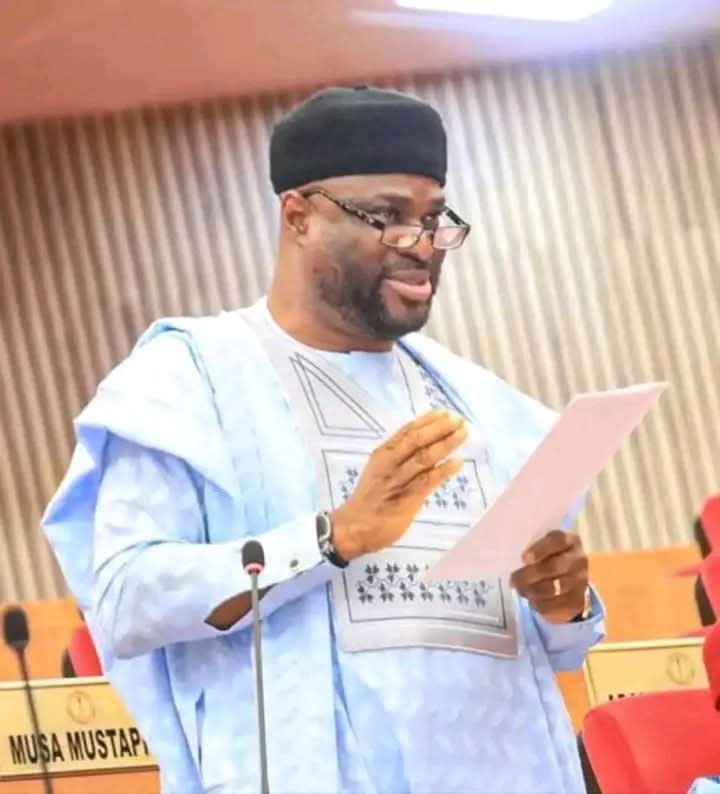
As political alignments begin to take shape ahead of the 2027 Delta South senatorial race, a troubling scenario is emerging, one that could see the Isoko people lose the seat not to external forces, but to their own internal divisions.
Despite long-standing agitation for equitable representation, Isoko may once again find itself on the losing end of the political equation, and this time, the reasons are neither complex nor accidental.
The Isoko nation, with only two local government areas, Isoko North and Isoko South, already operates from a position of numerical limitation within Delta South. In a district where ethnic balancing and voting blocs play a decisive role, such a structure demands strategic unity and calculated consensus. Unfortunately, what is currently unfolding suggests a complete disregard for that political reality.
Instead of rallying behind a single candidate to maximize their chances, Isoko is heading into the APC primaries with two heavyweight contenders: Joel Onowakpo Thomas, the incumbent senator, and Itiakpo Malik Ikpokpo, another formidable figure with his own loyal base and political structure. Both men are strong. Both have influence. And both are determined to clinch the ticket. But therein lies the problem.
In a primary contest, strength is not measured by individual popularity alone but by how effectively votes are consolidated. With these two men drawing from the same Isoko base, the outcome is almost predictable: a split vote that weakens the collective bargaining power of the Isoko bloc. Voters who should be united behind a common cause will be divided along personal loyalties, ambitions, and alliances.
While Isoko engages in this internal contest, the Itsekiri axis appears to be moving with far more clarity and discipline. Michael Diden has emerged as a single, formidable aspirant for the APC ticket. Without internal competition from his immediate ethnic base, he stands to benefit from a consolidated support system. This kind of unity is not just an advantage, it is often the deciding factor.
The mathematics of the situation is brutally simple. If Isoko votes are split between two strong candidates, and Itsekiri votes are unified behind one, the latter gains a clear pathway to victory. Add to this the likelihood of strategic support from other blocs that prefer a less divided candidate, and the equation becomes even more unfavorable for Isoko.
Related Posts
Makurdi Barracks of Shame: Outrage Erupts as Police Families Survive on Filthy Pond Water in Collapsing Security Housing
A disturbing investigation has laid bare the unbearable living conditions inside the Mobil...
Aburi accord bombshell: Gowon reignites explosive claim that Ojukwu derailed final peace deal as Nigeria slipped into civil war amid collapsed negotiations
Fresh historical tension has resurfaced over one of Africa’s most sensitive political turn...
Shettima alleges plot to falsely link him to assassination bid against Tinubu after inauguration
Vice President Kashim Shettima has lifted the lid on what he described as a politically ch...

Nigerian athlete’s American dream ends in bloodshed days before MBA graduation
Grief and outrage have erupted across Nigeria and the African diaspora after a Nigerian at...
What makes this situation particularly controversial is that it is entirely self-inflicted. There is no external imposition forcing Isoko into this position. There is no structural exclusion at play in this specific instance. Instead, it is a classic case of political actors prioritizing personal ambition over collective interest.
The irony is striking: in an attempt to demonstrate political strength by fielding multiple strong candidates, Isoko may end up proving its greatest weakness, its inability to unify when it matters the most.
Supporters of both Joel Onowakpo Thomas and Itiakpo Malik Ikpokpo will argue that democracy thrives on competition and that no one should be compelled to step down. While that may be true in principle, the reality of Nigerian party primaries is far less idealistic. These contests are not won by moral arguments or emotional appeals; they are won by numbers, negotiation, and strategic alignment.
If no intervention comes from key Isoko leaders, political stakeholders, elders, and power brokers, the consequences are predictable. The Isoko vote will fracture, the Itsekiri vote will consolidate, and the APC ticket for Delta South could very well go to Michael Diden without him necessarily being the most popular candidate across the district, but simply the most strategically positioned.
When that happens, the post-mortem will be filled with familiar rhetoric, complaints about marginalization, calls for fairness, and accusations of political injustice. But the truth will be far less convenient. The loss, if it occurs, will not have been imposed from outside. It will have been engineered from within.
In the end, elections do not reward sentiment or entitlement. They reward coordination. And unless Isoko confronts this reality head-on, 2027 may become yet another case study in how a politically relevant group talked itself out of victory.
Related Posts
Uchechi Okporie
May 19, 2026
Tension Rises as APC Headquarters Disowns Purported Senatorial Primary Results, Says Unauthorized Announcement Violates NWC Directive
The national leadership of the All Progressives Congress has issued a stern disclaimer rejecting the wave of senatorial direct primary results being circulated across several states, declaring them unauthorized and misleadingAPC,
Uchechi Okporie
May 16, 2026
Elumelu Flogs Okolie at APC House of Reps Primaries as Asaba People Vote Against Their Brother
The political career of Hon. Ngozi Okolie may have suffered its biggest blow yet after former Minority Leader of the House of Representatives, Ndudi Elumelu, crushed him mercilessly in the APC House of Representatives primaries in Oshimili South Local Government Area of Delta State.
Uchechi Okporie
May 15, 2026
Breaking: Political Earthquake in Nigeria as Benue APC Clears Only 11 of 50 Aspirants, Triggering Outrage, Power Struggles and Fresh Election Tensions
Nigeria’s ruling All Progressives Congress (APC) has plunged into fresh controversy after its screening panel in Benue State reportedly cleared only 11 out of 50 aspirants seeking elective positions, a dramatic development now sending shockwaves across the country’s political landscape ahead of critical elections.
Uchechi Okporie
May 14, 2026
Africa’s richest man Aliko Dangote breaks silence on why he abandoned Arsenal takeover bid as Premier League ownership race reaches new heights
Nigerian billionaire industrialist Aliko Dangote has finally explained why he decided against pursuing the purchase of English football giants Arsenal F.C., ending years of speculation over his ambition to own one of the world’s most valuable clubs.
Uchechi Okporie
May 14, 2026
Obi insists on four-year tenure as presidency questions his credibility
Former presidential candidate and prominent opposition figure has reaffirmed his vow to serve only a single four-year term if elected president, saying he would not extend his stay in office “even with a gun to my head.”
Uchechi Okporie
May 14, 2026
From Nairobi to Kigali: What Tinubu Discussed with Rwanda President will Benefit Nigerians
Nigerian President Bola Ahmed Tinubu has renewed calls for deeper economic integration across Africa, emphasizing trade, investment, infrastructure, and digital commerce as the continent’s pathway to sustainable prosperity.
Uchechi Okporie
May 12, 2026
Stop Running to South Africa, Hold Your Corrupt, Dictatorial Govt Accountable - South African Citizen Tells Nigerians
A South African citizen, Shimane Samuel Moeketsi, has stirred widespread debate on social media after making strong remarks directed at African migrants, particularly Nigerians, urging them to remain in their home countries and hold political leaders accountable rather than relocating to South Africa.
Uchechi Okporie
May 12, 2026
Ned Nwoko Deserves Anioma Support for Second Term - Indigene of Ika North East Says
The Director-General of the Senator Ned Nwoko Campaign Council, Hon. Samuel Ekene Kerry, has declared that Distinguished Senator Ned Nwoko has performed creditably well to deserve overwhelming support for a second term in the Senate.
Trending
May 19, 2026
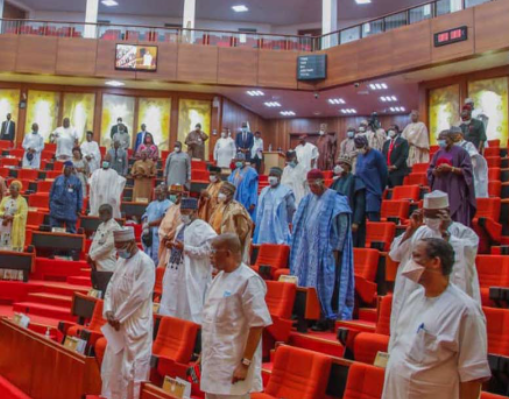
BREAKING: APC bloodbath rocks Nigeria as governors seize Senate tickets and political titans suffer humiliating collapse ahead of 2027 war
Uchechi Okporie
May 20, 2026
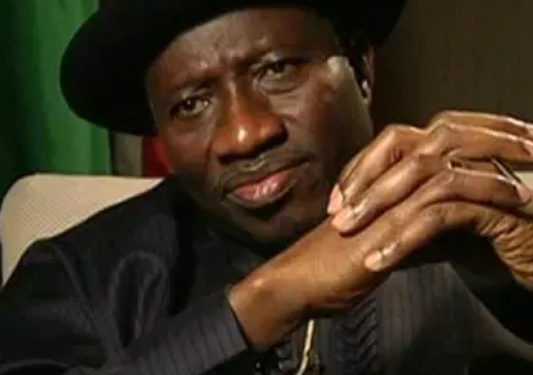
BREAKING: Jonathan Secures Historic PDP Waiver as Turaki Power Bloc Unifies Behind Him, Clearing Path to Near-Uncontested 2027 Presidential Run
Uchechi Okporie
May 19, 2026
Tension Rises as APC Headquarters Disowns Purported Senatorial Primary Results, Says Unauthorized Announcement Violates NWC Directive
Uchechi Okporie
May 19, 2026
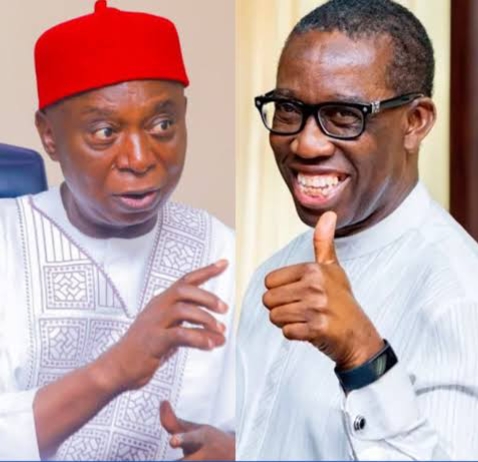
Delta APC Primary Crisis Deepens as Ned Nwoko's Camp Demands Okowa’s Disqualification Over Violation of NWC Directives
Uchechi Okporie
May 19, 2026
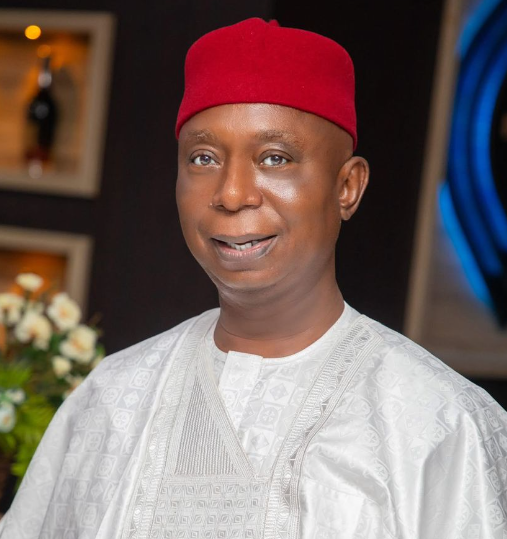
BREAKING: Fierce Delta North APC battle deepens as Ned Nwoko declares commanding primary victory, dismisses fake results and renews Anioma State mission
Uchechi Okporie
May 18, 2026
Breaking News: Nigeria’s ruling APC throws 47 senatorial aspirants out of 2027 race in dramatic political crackdown
Uchechi Okporie
May 21, 2026
Explainer: Why African Currencies Keep Losing Value Against The Dollar
 Admin User
May 24, 2026
BREAKING: Nigeria Bleeds Again as Terrorists Storm Church Vigil, Slaughter Worshippers and Kidnap 15 in Midnight Kwara Carnage
Uchechi Okporie
May 18, 2026
BREAKING news: APC primaries explode in Nigeria as political giants collapse, 50 sitting lawmakers wiped out in unprecedented ticket shock
Uchechi Okporie
May 20, 2026
Shettima alleges plot to falsely link him to assassination bid against Tinubu after inauguration
Uchechi Okporie
May 19, 2026
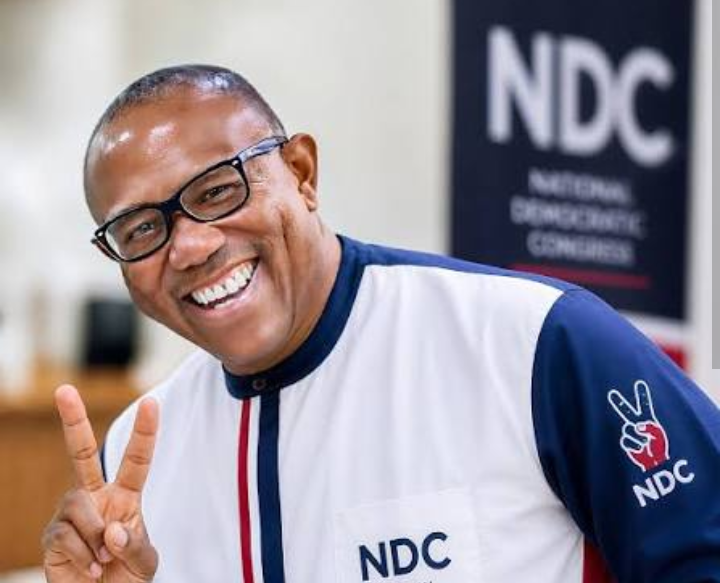
Obi takes over NDC race as sole presidential aspirant, triggers major political realignment talk across Africa
Uchechi Okporie
Latest Stories

May 25, 2026
Cooking Gas Hits ₦1,500/kg – Marketers Warn of Scarcity, Hardship
Chineye Egesi

May 25, 2026
At 16, He’s Done What Foden Couldn’t: Meet the Teen Who Just Shattered a 14-Year-Old Premier League Record
Chineye Egesi
May 25, 2026
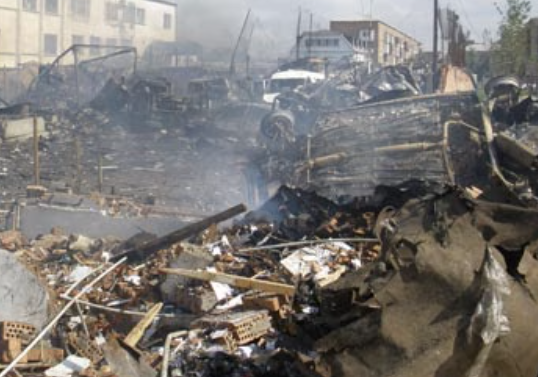
Blood and fear in Nigeria: Gunmen invade Emir’s palace, crush police station, abduct 10 in midnight terror
Uchechi Okporie
May 25, 2026
“2027 Power Grab: PDP Stuns Ogun with Adebutu’s ‘Must-Win’ Consensus Declaration as Fayose Drops Bombshell”
Chineye Egesi
May 25, 2026
BREAKING: Lamido Secures PDP Governorship Ticket for 2027, Vows to “Rebuild Jigawa”
Chineye Egesi

May 25, 2026
Serie a explodes as Como and Roma snatch Champions League glory while Milan, Juventus suffer historic collapse
Uchechi Okporie
May 25, 2026
Fear grips APC as Tinubu’s 10.99m victory machine faces growing pressure before explosive 2027 battle
Uchechi Okporie
May 24, 2026
Senegal Plunges Into Political Turmoil as Parliament Speaker Resigns After PM Sonko’s Dismissal from Office
Admin User

May 24, 2026
The Digital Gold Rush: How Nigerians, Africans Are Earning Hundreds of Dollars Online Without Leaving Their Homes
Admin User
May 24, 2026
APC Aspirant Stanley Osifo Rejects Tinubu’s Primary Victory, Pledges Party Loyalty Despite Heavy Defeat
Chineye Egesi
May 24, 2026
BREAKING: president Tinubu Secures Landslide Victory in APC 2027 Presidential Primary
Chineye Egesi