Something Big is About to Happen in This Africa Nation, Read What the Parliament Plans to do
 Admin User
Apr 09, 2026
3 min read
Admin User
Apr 09, 2026
3 min read
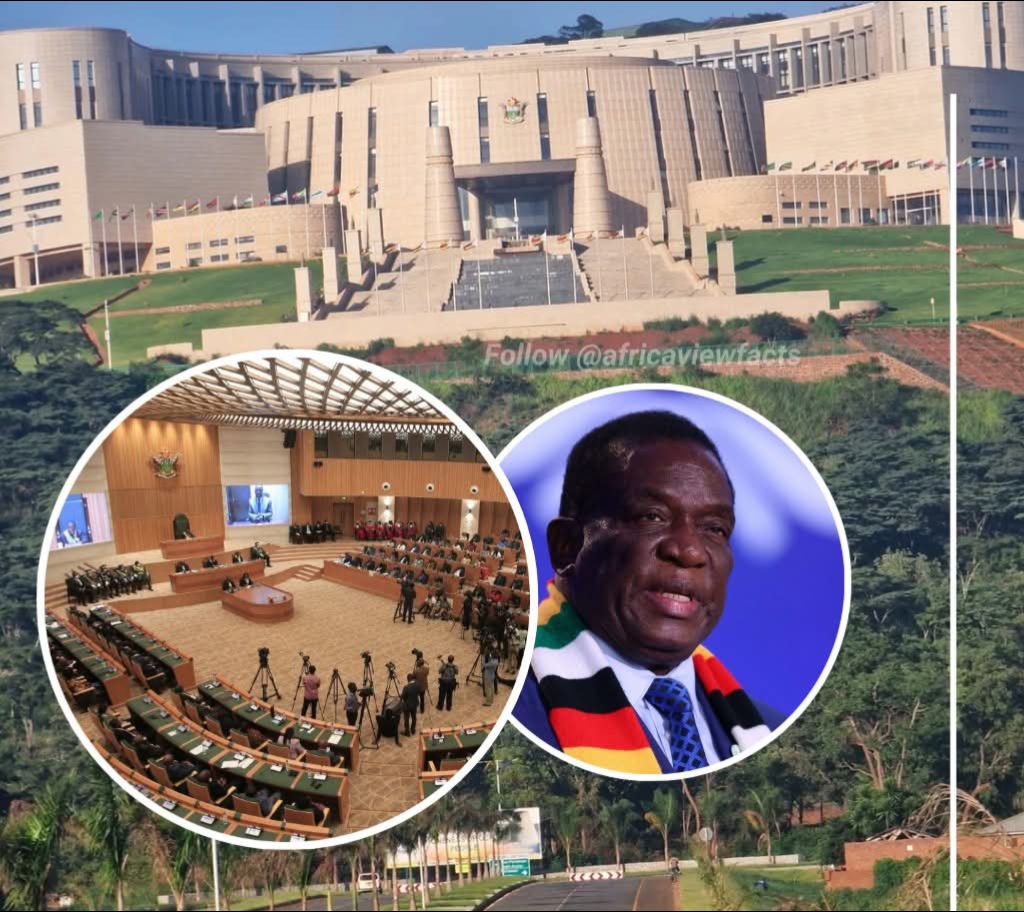
Zimbabwe is weighing a significant constitutional shift that could fundamentally alter how its president is selected, sparking intense national debate over the future of its democracy.
The ruling ZANU-PF party has introduced Constitution Amendment Bill No. 3, a proposal that would eliminate direct presidential elections and instead empower Parliament to choose the head of state.
If passed, the reform would mark a major departure from the current system, where citizens vote directly for their president.
In addition to changing the electoral process, the bill seeks to extend both presidential and parliamentary terms from five years to seven.
Analysts note that, if implemented, the amendment could allow current President Emmerson Mnangagwa to remain in office until 2030, beyond his existing mandate.
The proposed reforms have ignited widespread public discussion. Recent parliamentary public hearings held across the country drew large crowds, with citizens, civil society groups, and political stakeholders expressing sharply divided opinions.
Critics argue that removing direct elections risks undermining democratic accountability and concentrates power within political elites.
Related Posts
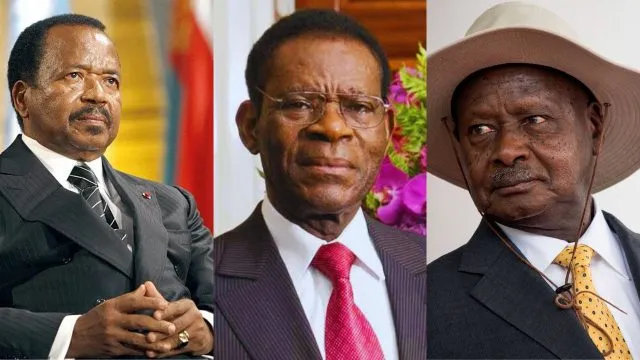
Eight Longest Serving African Leaders Who Have Refused to Handover Power, One Has Ruled for 47 Years (Read Shocking Details
Africa is the youngest continent on earth, overflowing with energy, innovation, creativity...
OPINION: Why Colonialism Remains Africa’s Unfinished Battle
The history of Africa cannot be discussed honestly without confronting the enduring burden...
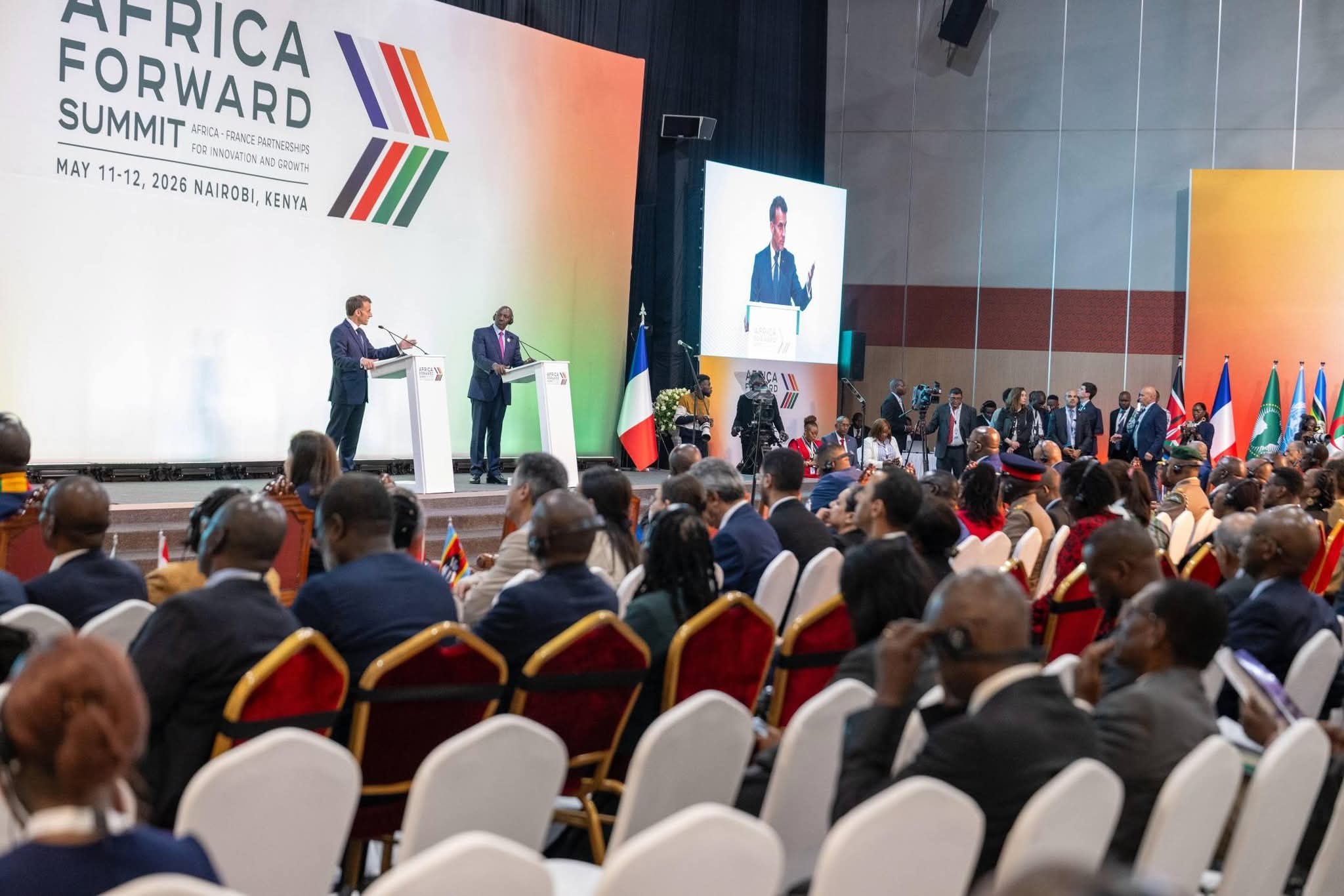
Kenya President Pushes for New Economic Order as African Leaders Gather in Nairobi
At the ongoing Africa Forward Summit in Nairobi, Kenyan President William Ruto has called...

Police arrest another key suspect in abduction of Bayelsà Judge five months after
Operatives of the newly established Inspector General Police(IGP) Violent Crime Response U...
“This is a step backward for participatory democracy,” said one constitutional lawyer during a hearing in Harare, warning that voters would lose their direct voice in choosing national leadership.
Opposition parties and pro-democracy activists have also raised concerns about transparency, suggesting that a parliamentary system could be more susceptible to political manipulation, especially in a legislature dominated by a single party.
Supporters of the amendment, however, contend that the changes could enhance political stability and reduce the costs associated with nationwide elections.
Some lawmakers within ZANU-PF argue that a parliamentary selection process would streamline governance and minimize electoral disputes that have historically led to tensions.
Government officials backing the bill have framed it as part of broader constitutional reforms aimed at strengthening institutions. “This is about ensuring continuity and stability in leadership,” one senior party official stated.
The bill’s future remains uncertain, as constitutional amendments in Zimbabwe require a two-thirds majority in Parliament. While ZANU-PF holds a strong position, the intensity of public opposition could influence the legislative process.
As the debate continues, the proposed changes have placed Zimbabwe at a crossroads, with the outcome likely to have lasting implications for its political system and democratic trajectory.
Related Posts


Chineye Egesi
May 04, 2026
Nigeria’s Non-Oil Export Boom: Nearly $1 Billion in Q1 2026 Signals a New Dawn for African Trade
Africa’s giant is stirring and this time, it’s not crude oil leading the charge. Fresh data from the Nigeria Customs Service shows the country’s export sector surged by nearly 39% in the first quarter of 2026, hitting a staggering $925.84 million, as non-oil trade finally takes center stage.

Chineye Egesi
May 04, 2026
Africa’s digital gold rush: How women are turning smartphones into wealth and power
A quiet economic revolution is sweeping across Africa and parts of Asia driven not by government programs, but by women armed with smartphones and internet access.

Uchechi Okporie
Apr 30, 2026
Africa’s sky race takes off as airline giants unite to drive tourism boom
Africa’s aviation sector is gaining fresh global momentum as leading carriers, including Ethiopian Airlines, EgyptAir, Royal Air Maroc, Kenya Airways and South African Airways, align with a strategic framework championed by the International Air Transport Association to accelerate tourism growth and reshape air travel across the continent.
Admin User
Apr 29, 2026
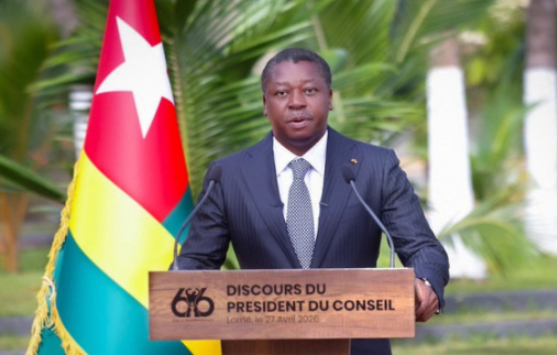
Togo unveils new national development roadmap, launches nationwide public consultations
The government of Togo has announced the launch of a new national development roadmap aimed at guiding the country’s economic and social transformation over the coming years.
Admin User
Apr 29, 2026
NASS Members Jittery as Governors Move to Dictate Candidates, Block Rivals, Hijack APC Tickets
The All Progressives Congress (APC) has quietly altered its 2027 election timetable after internal concerns that governors were moving to dominate the nomination process, particularly for National Assembly seats.

Uchechi Okporie
Apr 29, 2026
Fresh Crisis Rocks Nigeria's Opposition Party as Kogi PDP Explodes Over Natasha's Dispute
Fresh tensions have erupted inside Nigeria’s main opposition party, the Peoples Democratic Party (PDP), after a senior party figure openly condemned the Kogi State Elders Council for its reported attack on prominent member Natasha.

Uchechi Okporie
Apr 28, 2026
African Banking Giant FCMB Unveils Responsible AI Strategy, Signaling New Era for Finance Across the Continent
FCMB Group has announced a deliberate and responsible approach to adopting artificial intelligence, positioning itself as one of Africa’s leading financial institutions embracing the future of banking technology.
Uchechi Okporie
Apr 27, 2026
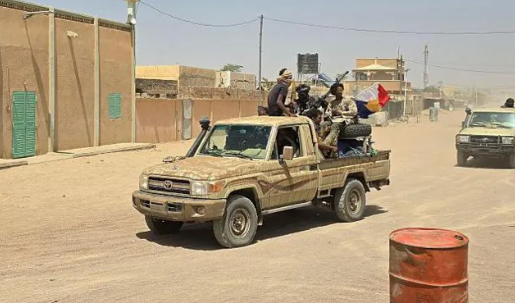
RUSSIA FORCED OUT OF MALI WAR ZONE AS REBELS SEIZE STRATEGIC CITY — SAHEL ON THE EDGE OF FULL BLOWN CHAOS
Russian Africa Corps forces have confirmed they have withdrawn from the northern Malian city of Kidal following coordinated attacks by separatist fighters and Islamist militants.
Trending
May 19, 2026
BREAKING: APC bloodbath rocks Nigeria as governors seize Senate tickets and political titans suffer humiliating collapse ahead of 2027 war
Uchechi Okporie
May 20, 2026
BREAKING: Jonathan Secures Historic PDP Waiver as Turaki Power Bloc Unifies Behind Him, Clearing Path to Near-Uncontested 2027 Presidential Run
Uchechi Okporie
May 19, 2026
Tension Rises as APC Headquarters Disowns Purported Senatorial Primary Results, Says Unauthorized Announcement Violates NWC Directive
Uchechi Okporie
May 19, 2026
Delta APC Primary Crisis Deepens as Ned Nwoko's Camp Demands Okowa’s Disqualification Over Violation of NWC Directives
Uchechi Okporie
May 19, 2026
BREAKING: Fierce Delta North APC battle deepens as Ned Nwoko declares commanding primary victory, dismisses fake results and renews Anioma State mission
Uchechi Okporie
May 18, 2026
Breaking News: Nigeria’s ruling APC throws 47 senatorial aspirants out of 2027 race in dramatic political crackdown
Uchechi Okporie
May 21, 2026
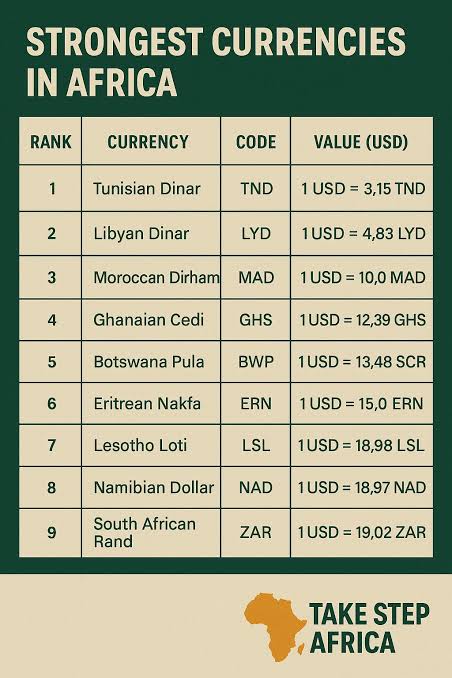
Explainer: Why African Currencies Keep Losing Value Against The Dollar
Admin User
May 18, 2026
BREAKING news: APC primaries explode in Nigeria as political giants collapse, 50 sitting lawmakers wiped out in unprecedented ticket shock
Uchechi Okporie
May 20, 2026
Shettima alleges plot to falsely link him to assassination bid against Tinubu after inauguration
Uchechi Okporie
May 19, 2026
Obi takes over NDC race as sole presidential aspirant, triggers major political realignment talk across Africa
Uchechi Okporie

May 19, 2026
Nigerian athlete’s American dream ends in bloodshed days before MBA graduation
Uchechi Okporie
Latest Stories
May 24, 2026
Senegal Plunges Into Political Turmoil as Parliament Speaker Resigns After PM Sonko’s Dismissal from Office
Admin User

May 24, 2026
The Digital Gold Rush: How Nigerians, Africans Are Earning Hundreds of Dollars Online Without Leaving Their Homes
Admin User
May 24, 2026
APC Aspirant Stanley Osifo Rejects Tinubu’s Primary Victory, Pledges Party Loyalty Despite Heavy Defeat
Chineye Egesi
May 24, 2026
BREAKING: president Tinubu Secures Landslide Victory in APC 2027 Presidential Primary
Chineye Egesi

May 24, 2026
Bloodshed on Benue highway as gunmen attack commuters, kill 3 near police checkpointt
Uchechi Okporie
May 24, 2026
Trump’s Closed-Door Meeting With Nigerian Envoy Triggers Talk of a Major Global Realignment
Uchechi Okporie
May 24, 2026
Rivers political shift: Fubara’s withdrawal alters APC balance ahead of 2027 elections
Uchechi Okporie
May 24, 2026
Katsina PDP Primaries: Senator Yakubu Lado Emerges Consensus Candidate for 2027
Chineye Egesi
May 24, 2026
Warri on edge: INEC delineation storm triggers explosive ethnic pushback as Itsekiri, Ijaw and Urhobo reject consensus report
Uchechi Okporie
May 24, 2026
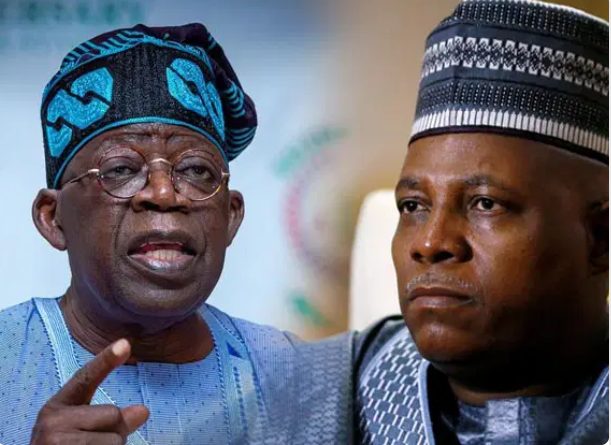
Tinubu’s silence fuels fierce 2027 power struggle as Shettima’s political future hangs in balance
Uchechi Okporie
May 24, 2026
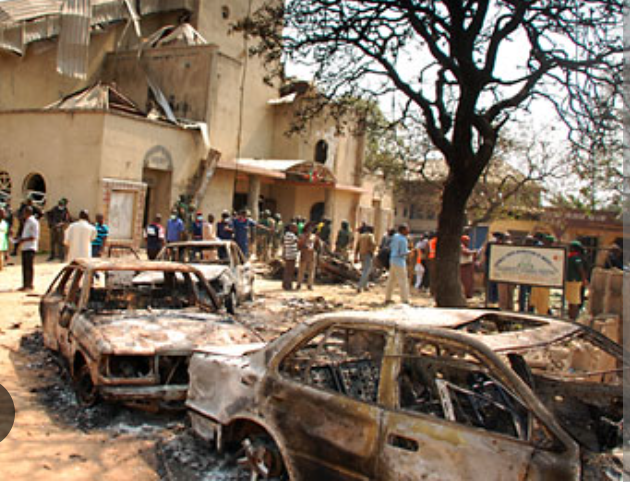
BREAKING: Nigeria Bleeds Again as Terrorists Storm Church Vigil, Slaughter Worshippers and Kidnap 15 in Midnight Kwara Carnage
Uchechi Okporie