Tanzania President Enacts Sweeping Austerity Measures as Global Conflict Drives Fuel Crisis
 Admin User
Apr 10, 2026
3 min read
Admin User
Apr 10, 2026
3 min read
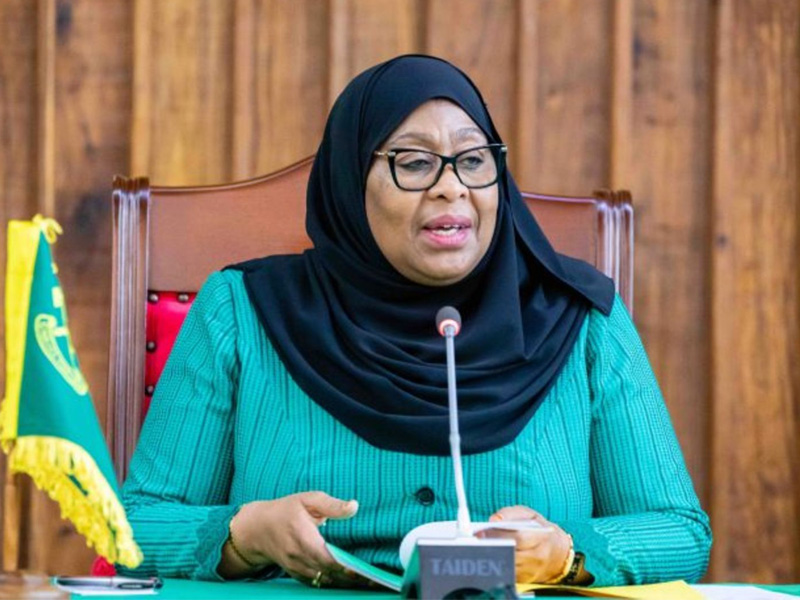
President Samia Suluhu Hassan has unveiled a bold package of austerity measures aimed at shielding Tanzania’s economy from the ripple effects of the escalating geopolitical conflict involving the United States, Israel, and Iran.
Speaking during a swearing-in ceremony in the capital, Dodoma, the President warned that the intensifying crisis has destabilized global energy markets, triggering a sharp rise in oil prices and widespread supply chain disruptions.
Central to the disruption is the effective blockade of the Strait of Hormuz, a critical maritime corridor through which nearly a fifth of the world’s oil supply typically passes.
The global shock has quickly translated into domestic strain. Tanzania has recorded one of its steepest fuel price hikes in recent history, with petrol prices surging by over 33 percent within a month to approximately $1.47 per liter.
The increase has already begun to ripple through the broader economy, pushing up transportation costs, food prices, and operational expenses for businesses.
Economic analysts warn that if sustained, the spike could fuel inflationary pressures, weaken consumer purchasing power, and slow economic growth in key sectors such as agriculture, logistics, and manufacturing.
In a symbolic and practical move, President Samia announced a drastic reduction in her official motorcade. Traditionally comprising more than 30 vehicles, including luxury SUVs, security units, and support teams, the convoy will now be limited to just four essential vehicles: her official car, a police escort, a security backup unit, and an ambulance.
The President framed the decision as both a cost-saving measure and a demonstration of leadership by example.
Reducing the size of presidential movements is expected not only to conserve fuel but also to ease traffic congestion in urban areas, particularly in Dar es Salaam and Dodoma.
Extending the austerity drive across government, the President directed all senior officials to adopt shared transportation for official engagements. Under the new policy, ministers, aides, and senior civil servants will travel together in a single bus rather than in separate high-consumption vehicles.
The directive marks a significant departure from longstanding government practice and is intended to enforce discipline in public spending.
Related Posts
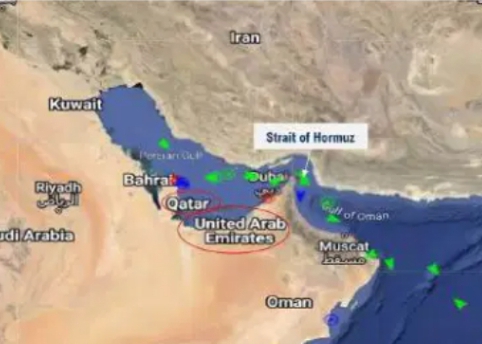
Iran Draws New Red Line in Gulf Showdown, Says Strait of Hormuz Open Only to ‘Friendly Nations’
Tensions across the Middle East have deepened after Iran declared that the strategic Strai...
Assasinate Donald Trump, Get €50m Reward, Iran Parliament Makes Big Offer to Sympathisers
Iran’s parliament is considering a controversial bill that would require the government to...
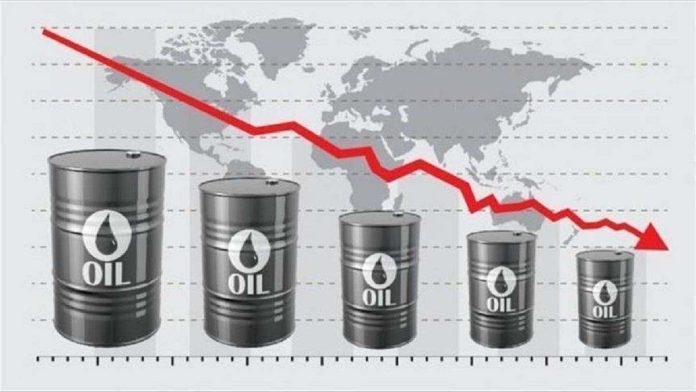
Trump-Xi Talks Loom Large as Iran Concerns Shake Oil Markets
Global oil prices dropped slightly on Wednesday as investors took a cautious approach ahea...

War tensions shake global oil routes as US, Iran, Israel crisis escalates
A rapidly intensifying standoff involving the United States, Iran, and Israel is sending s...
“The era of excess must give way to efficiency,” the President stated, underscoring the need for accountability in the use of public resources during a period of global uncertainty.
Travel Restrictions and Digital Shift The government has also imposed an immediate ban on all non-essential domestic and international travel for public officials.
Ministries and agencies have been instructed to prioritize virtual meetings and digital coordination platforms to maintain government operations while reducing fuel consumption and costs.
This shift is expected to accelerate Tanzania’s ongoing digital transformation efforts, particularly in public administration and inter-agency collaboration.
Despite the challenges, President Samia reassured citizens that Tanzania currently maintains sufficient fuel reserves to last approximately three months. However, she cautioned that global market conditions remain volatile and unpredictable.
To prevent exploitation, the government has intensified regulatory oversight of fuel distribution and pricing. Traders have been warned against hoarding or artificially inflating prices, with authorities pledging strict enforcement measures against violators.
Regional and Global Implications Tanzania’s response reflects a broader trend among oil-importing nations grappling with the economic fallout of geopolitical tensions.
Across East Africa, governments are exploring similar cost-containment strategies as energy prices surge and currencies face pressure.
Policy experts note that while austerity measures may provide short-term relief, long-term resilience will depend on diversifying energy sources, investing in renewables, and strengthening regional trade networks to reduce dependency on volatile global supply chains.
Public Reaction and Outlook Initial public reaction has been mixed. While many citizens have welcomed the President’s personal commitment to cutting costs, others remain concerned about the rising cost of living and its impact on livelihoods.
As the global situation evolves, Tanzania’s ability to balance fiscal discipline with economic stability will be closely watched. For now, the government’s message is clear: decisive action and shared sacrifice are essential to weather the unfolding crisis.
Related Posts

Uchechi Okporie
Apr 27, 2026
BREAKING NEWS: Iran Offers Ceasefire to U.S. as Global Oil Panic Threatens Africa
Iran has reportedly made a dramatic new ceasefire offer to the United States, proposing to reopen the vital Strait of Hormuz and pause escalating tensions in the Middle East. The move comes amid fears of a global oil supply crisis that could hit African economies hard.
Uchechi Okporie
Apr 25, 2026
BREAKING: NATO in Internal Storm as US Reportedly Moves Against Spain Over Iran War—Alliance Rules Out Expulsion Powers
Tensions have erupted inside NATO after reports suggested the United States considered possible measures against Spain over its stance on the Iran conflict, triggering fresh debate about unity within the powerful military alliance.

Uchechi Okporie
Apr 23, 2026
WORLD SHOCKER: Surviving Iranian Sailor Claims US Tried to Wipe Out Crew of Sunken Warship
A dramatic new account from the Middle East is drawing global attention after a surviving Iranian sailor alleged that the United States tried to eliminate the crew of a warship that later sank at sea.
Uchechi Okporie
Apr 23, 2026
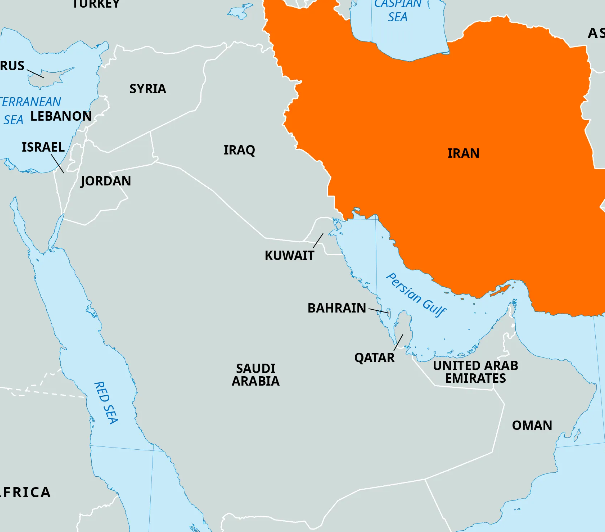
World on Edge: Iran Keeps Hormuz Closed, Defies US Blockade as Global Oil Markets Shake
Tensions in the Middle East have escalated after Iran declared it will not reopen the Strait of Hormuz until the United States lifts its naval blockade, deepening fears of a major disruption to global energy supplies.
Uchechi Okporie
Apr 18, 2026
Iran Threatens US at Sea as Supreme Leader Declares Navy Ready to Crush America
Iran’s Supreme Leader has issued a fiery warning to the United States, declaring that the country’s navy is fully prepared to confront and defeat American forces if conflict breaks out at sea.
Uchechi Okporie
Apr 16, 2026
Nuclear Gamble Nears Endgame: Donald Trump Claims Iran Ready to Surrender Uranium Stockpile in High-Stakes Peace Push
In a dramatic turn in Middle East diplomacy, Donald Trump has announced that Iran has agreed to hand over its enriched uranium reserves — a move he says could bring a major conflict to a close and reshape global security dynamics.
Uchechi Okporie
Apr 10, 2026
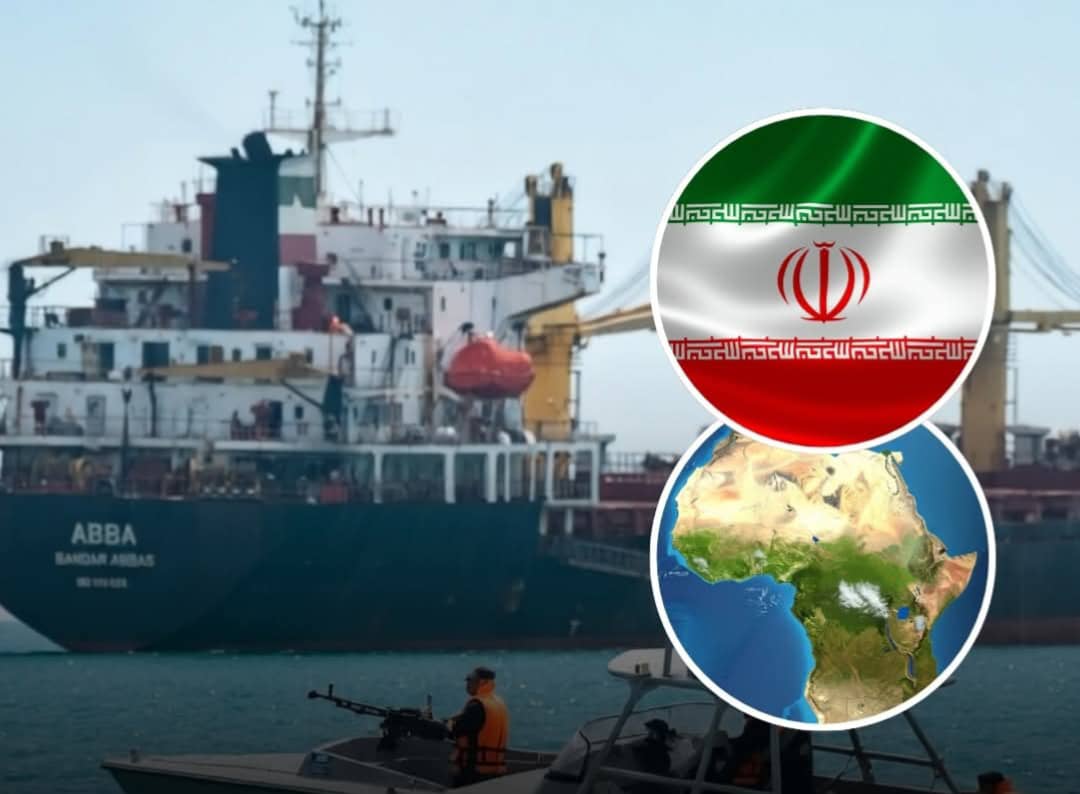
Iran Guards Block Botswana Vessels, Allow Gabon, South Africa Past Strait of Hormuz as Fragile Ceasefire Persist
Shipping activity in the strategically vital Strait of Hormuz is showing tentative signs of recovery following a fragile ceasefire between the United States and Iran, with African-linked vessels among the first to cautiously resume transit.
Uchechi Okporie
Apr 10, 2026
Pakistan to Host U.S.-Iran Talks as Fighting Continues in Lebanon
Pakistan is preparing to host negotiations between the United States and Iran this week, even as heavy fighting continues in Lebanon between Israel and Hezbollah.
Trending
May 19, 2026
BREAKING: APC bloodbath rocks Nigeria as governors seize Senate tickets and political titans suffer humiliating collapse ahead of 2027 war
Uchechi Okporie
May 20, 2026
BREAKING: Jonathan Secures Historic PDP Waiver as Turaki Power Bloc Unifies Behind Him, Clearing Path to Near-Uncontested 2027 Presidential Run
Uchechi Okporie
May 19, 2026
Tension Rises as APC Headquarters Disowns Purported Senatorial Primary Results, Says Unauthorized Announcement Violates NWC Directive
Uchechi Okporie
May 19, 2026
Delta APC Primary Crisis Deepens as Ned Nwoko's Camp Demands Okowa’s Disqualification Over Violation of NWC Directives
Uchechi Okporie
May 19, 2026
BREAKING: Fierce Delta North APC battle deepens as Ned Nwoko declares commanding primary victory, dismisses fake results and renews Anioma State mission
Uchechi Okporie
May 18, 2026
Breaking News: Nigeria’s ruling APC throws 47 senatorial aspirants out of 2027 race in dramatic political crackdown
Uchechi Okporie
May 21, 2026
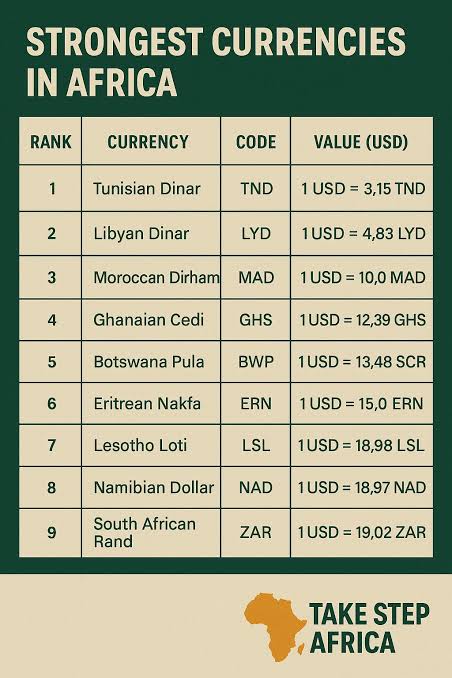
Explainer: Why African Currencies Keep Losing Value Against The Dollar
Admin User
May 18, 2026
BREAKING news: APC primaries explode in Nigeria as political giants collapse, 50 sitting lawmakers wiped out in unprecedented ticket shock
Uchechi Okporie
May 20, 2026
Shettima alleges plot to falsely link him to assassination bid against Tinubu after inauguration
Uchechi Okporie
May 19, 2026
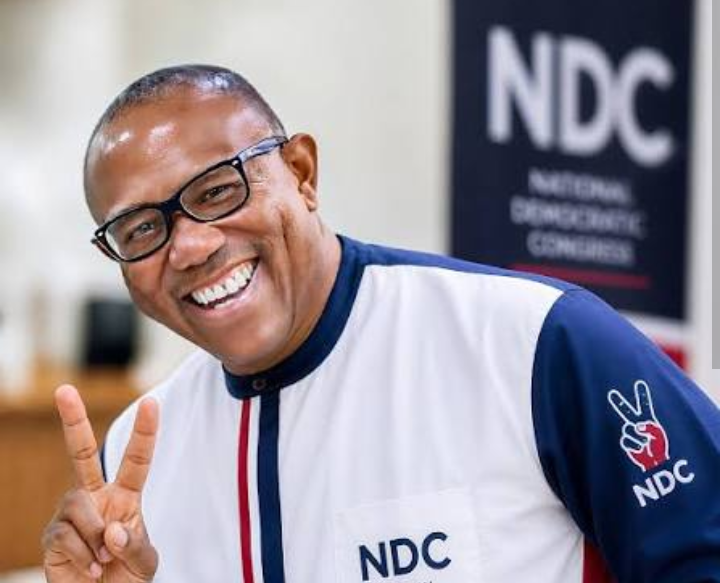
Obi takes over NDC race as sole presidential aspirant, triggers major political realignment talk across Africa
Uchechi Okporie

May 19, 2026
Nigerian athlete’s American dream ends in bloodshed days before MBA graduation
Uchechi Okporie
Latest Stories
May 24, 2026
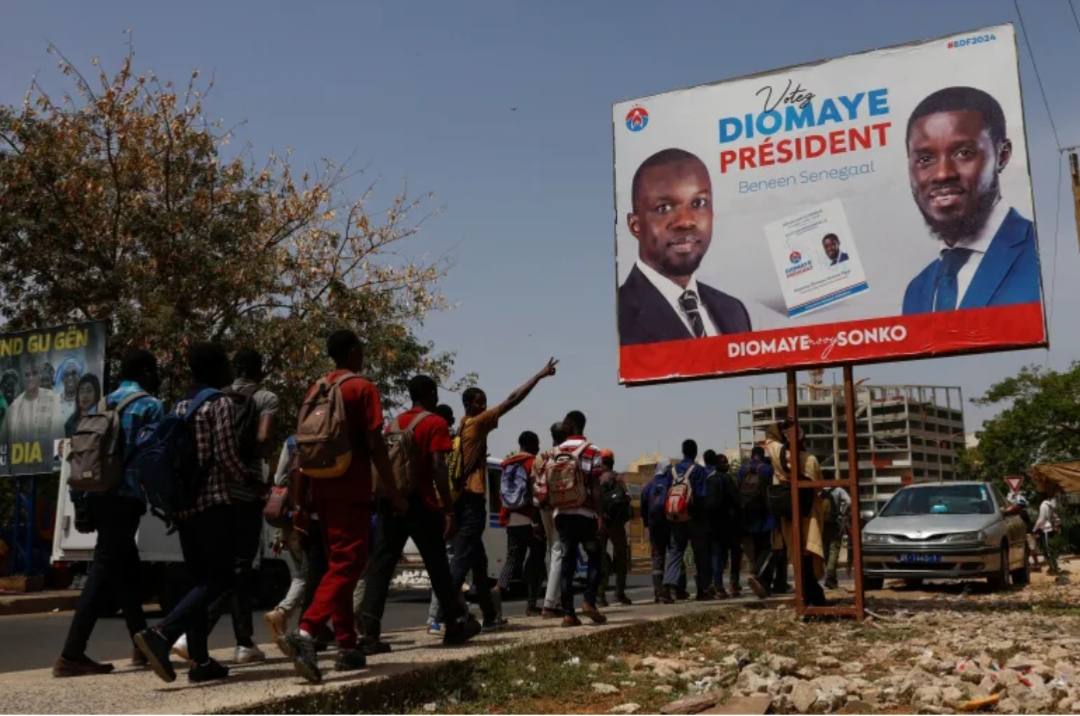
Senegal Plunges Into Political Turmoil as Parliament Speaker Resigns After PM Sonko’s Dismissal from Office
Admin User

May 24, 2026
The Digital Gold Rush: How Nigerians, Africans Are Earning Hundreds of Dollars Online Without Leaving Their Homes
Admin User
May 24, 2026
APC Aspirant Stanley Osifo Rejects Tinubu’s Primary Victory, Pledges Party Loyalty Despite Heavy Defeat
Chineye Egesi
May 24, 2026
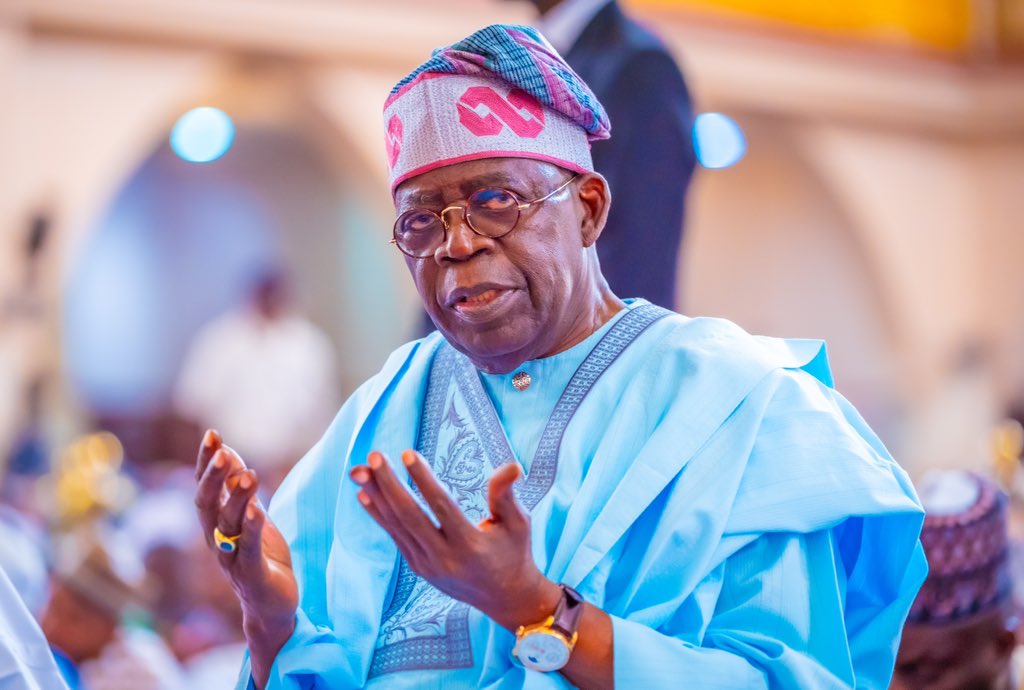
BREAKING: president Tinubu Secures Landslide Victory in APC 2027 Presidential Primary
Chineye Egesi
May 24, 2026
Bloodshed on Benue highway as gunmen attack commuters, kill 3 near police checkpointt
Uchechi Okporie
May 24, 2026
Trump’s Closed-Door Meeting With Nigerian Envoy Triggers Talk of a Major Global Realignment
Uchechi Okporie
May 24, 2026
Rivers political shift: Fubara’s withdrawal alters APC balance ahead of 2027 elections
Uchechi Okporie
May 24, 2026
Katsina PDP Primaries: Senator Yakubu Lado Emerges Consensus Candidate for 2027
Chineye Egesi
May 24, 2026
Warri on edge: INEC delineation storm triggers explosive ethnic pushback as Itsekiri, Ijaw and Urhobo reject consensus report
Uchechi Okporie
May 24, 2026
Tinubu’s silence fuels fierce 2027 power struggle as Shettima’s political future hangs in balance
Uchechi Okporie
May 24, 2026
BREAKING: Nigeria Bleeds Again as Terrorists Storm Church Vigil, Slaughter Worshippers and Kidnap 15 in Midnight Kwara Carnage
Uchechi Okporie